


Sherwin Williams Alabaster vs Agreeable Gray: The Comparison That Actually Helps You Decide

Updated: May 15
Alabaster and Agreeable Gray are two of Sherwin Williams' most specified colors - and two of the most frequently compared when the brief is a warm, sophisticated neutral that feels inviting without being obviously colorful. Both are warm. Both appear on shortlists constantly. Both can appear in the same scheme. On a small paint chip they look like they sit in the same general family. On a wall in a real room they create completely different atmospheres - and the 22-point LRV gap between them is large enough to change not just the brightness of a space but its fundamental character.
Alabaster is a warm off-white - it reads as a white on a wall, albeit a clearly warm one. Agreeable Gray is a warm greige - it reads as a neutral color, not a white. That distinction is the whole comparison. They are not two versions of the same thing at different depths. They are different categories of color that serve different purposes in a room, and understanding which category your room needs is the most practically useful thing this guide can give you.
This guide covers exactly how Alabaster and Agreeable Gray differ in undertone, LRV, light behavior, and room application - with a clear verdict on which one to choose and when.

At a Glance
| Alabaster SW 7008 | Agreeable Gray SW 7029 |
LRV | 82 - bright warm off-white, reads as a white | 60 - medium-depth warm greige, reads as a color |
Color category | Warm off-white - reads as white on a wall | Warm greige - reads as a neutral color on a wall |
Undertones | Warm cream-yellow with greige anchor | Warm greige with subtle green-taupe quality |
Character | Warm, soft, broadly versatile off-white | Grounded, sophisticated, widely adaptable greige |
North-facing | Excellent - warmth counteracts cool light | Very good - warm greige holds without yellow risk |
South-facing | Beautiful - warm and luminous | Beautiful - warm and settled in good light |
Green-taupe risk | Minor - in very cool conditions only | Yes - can read more green-taupe in cool light or under 4000K |
On walls | Creates a warm, bright, off-white backdrop | Creates a warm, grounded neutral backdrop |
On cabinets | Classic, timeless, warm white result | Sophisticated warm greige result |
Use together? | Yes - Agreeable Gray walls / Alabaster trim is a classic pairing | Yes - see above |
Trim for each | Pure White SW or Extra White SW | Pure White SW - or Alabaster in north-facing rooms |
Style fit | Traditional, transitional, organic modern, farmhouse | Contemporary, transitional, traditional, whole-house |
Architect's pick | When warmth read as a white is the brief | When a grounded warm neutral backdrop is the brief |
SW Alabaster SW 7008 - What It Really Looks Like

Alabaster has an LRV of 82 and a warm cream-yellow undertone anchored by a subtle greige base. It reads as a warm off-white on a wall - clearly warm, clearly inviting, but still clearly a white. In most rooms it does not register as a color; it registers as a warm, considered backdrop that enhances the warmth of the surrounding materials.
The greige anchor in Alabaster's formula is what gives it its broad adaptability. It prevents the yellow from ever tipping into obvious butter or cream territory, and it bridges warm and cool material palettes more naturally than more committed warm whites. Alabaster is the most broadly versatile warm white in the SW range - it suits more interior styles, more room orientations, and more material palettes than almost any other SW white. For how it compares to the more committed end of SW's warm white family, the Creamy vs Alabaster guide covers that in detail.
For the comparison of Alabaster against Repose Gray - the complex violet-green greige that sits 24 LRV points below and belongs to a completely different color category - the Repose Gray vs Alabaster guide covers the undertone contrast and the nuanced trim pairing question."
SW Agreeable Gray SW 7029 - What It Really Looks Like

Agreeable Gray has an LRV of 60 - twenty-two points below Alabaster. That gap is significant and immediately visible on a wall. At LRV 60 it reads as a genuine neutral color rather than a near-white - warm, grounded, and clearly a deliberate color decision rather than a backdrop.
The undertone is warm greige with a subtle green-taupe quality that becomes slightly more visible in cool north-facing light or under cool artificial lighting. In warm south-facing conditions it reads as a beautiful warm beige-gray. The defining quality of Agreeable Gray is its reliability - it rarely surprises in the wrong direction, handles varied light conditions without dramatic shifts, and suits the widest range of material palettes of any SW greige at this depth. It is the most popular color Sherwin Williams makes, and that popularity is entirely earned. For the full picture on how Agreeable Gray performs across every room condition, the Agreeable Gray coordinating colors guide covers every pairing in detail.
The Real Difference Between Alabaster and Agreeable Gray

Alabaster reads as a warm white. Agreeable Gray reads as a warm neutral color. That is the fundamental distinction - and it determines everything about which one belongs in which room.
The 22-point LRV gap between them is the most immediately visible difference. In a room where both are painted on adjacent walls, Alabaster looks dramatically brighter and lighter. Agreeable Gray looks noticeably deeper and more grounded. But the character difference matters just as much as the brightness difference: Alabaster contributes warmth and brightness but stays in the background. Agreeable Gray contributes warmth and depth and is clearly present as a color on the wall.
The most important thing to understand: these two colors are not just competing alternatives. They are one of the most commonly used wall and trim pairings in SW's entire range. Agreeable Gray on walls with Alabaster on trim is a classic, widely specified combination - the warmth of the Alabaster trim relates naturally to Agreeable Gray's warm greige without creating undertone conflict, and the 22-point LRV difference creates clean, considered definition between wall and trim. In north-facing rooms particularly, Alabaster trim alongside Agreeable Gray walls is the correct call - the extra warmth of the Alabaster counterbalances the cool light and keeps the whole scheme feeling settled.
The reverse - Alabaster on walls with Agreeable Gray on trim - does not work. The deeper, grayer trim against the lighter, warmer walls reads as unresolved and makes the Alabaster look slightly yellow by comparison. Alabaster always goes on trim alongside Agreeable Gray walls, never the other way around.
Not sure which one works for your room? A color consultation is included in all our design packages - book directly here. |
When to Choose Alabaster

Choose Alabaster when the brief is a warm white - when the walls need to read as white but feel genuinely warm. Traditional, transitional, and organic modern interiors where warmth on the walls is desired but a full neutral color is not the right commitment. Rooms where brightness and airiness are priorities - Alabaster's LRV 82 keeps rooms feeling open in a way that Agreeable Gray at LRV 60 cannot. Smaller rooms or rooms with limited natural light where the depth of Agreeable Gray would feel heavy. Trim and cabinets throughout the house regardless of wall color.
Avoid Alabaster when you want the walls to read as a color rather than a white. At LRV 82 Alabaster will always read as a warm white backdrop - it will never deliver the grounded, neutral presence that Agreeable Gray creates on four walls. If the brief is a warm neutral that has real depth and body on the wall, Agreeable Gray is the correct answer.
For the cross-brand comparison of Alabaster against BM Pale Oak - the soft warm greige 12 LRV points below that reads as a color rather than a white - the Alabaster vs Pale Oak guide explains the category difference and which one your room needs.
When to Choose Agreeable Gray

Choose Agreeable Gray when a warm, grounded neutral backdrop is the brief. Open-plan spaces where the color needs to work consistently across multiple orientations and varied light conditions throughout the day - Agreeable Gray handles this more reliably than almost any other SW neutral. Contemporary and transitional interiors where a warm color with more presence than a white is the right brief. Whole-house schemes where every room needs to feel cohesive and connected. Any room where you want the walls to contribute a sense of warmth and sophistication rather than simply provide a bright, warm backdrop.
Agreeable Gray is also the right choice when Alabaster feels too white for the brief. If previous warm whites have felt like non-choices - present but insubstantial - Agreeable Gray's greater depth resolves that. For how it sits alongside other warm SW greiges in terms of depth and character, the Agreeable Gray vs Repose Gray guide gives the most useful depth-comparison context.
Avoid Agreeable Gray in very small rooms with limited natural light - at LRV 60 the depth can make tight spaces feel heavier than intended. In those conditions, Alabaster's higher LRV keeps the room feeling open.
For the comparison of Alabaster against Accessible Beige - the warmer, deeper SW greige that Alabaster is most naturally used as trim for - the Alabaster vs Accessible Beige guide covers the wall-and-trim relationship and which one belongs on walls versus trim.
How the Pairings Differ
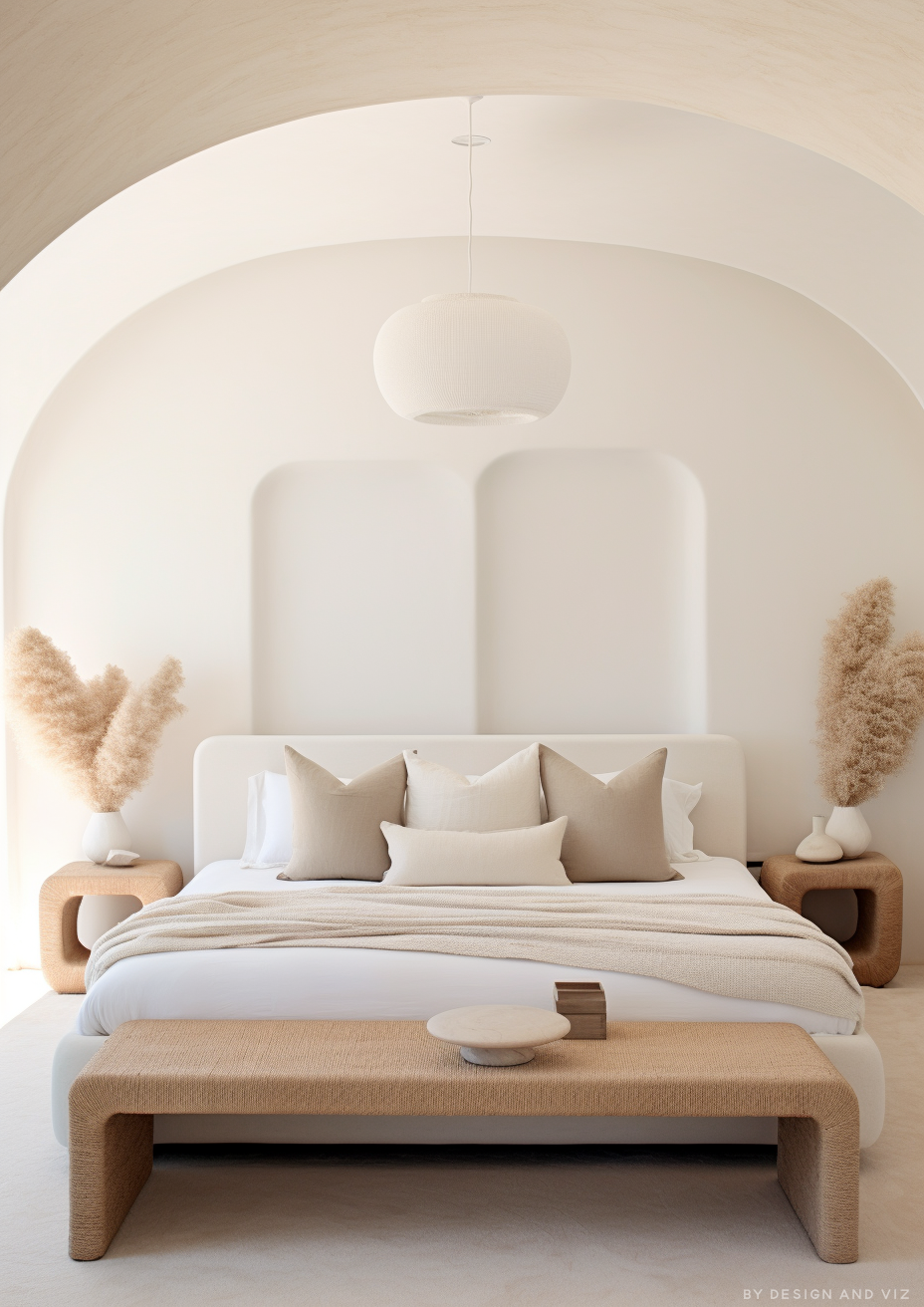
For Agreeable Gray on walls, Pure White SW 7005 on trim is the most consistently reliable choice - the slightly warm quality of Pure White complements Agreeable Gray's warmth without over-emphasizing the beige direction. Alabaster SW 7008 on trim creates a softer, more tonal scheme that suits north-facing rooms and traditional interiors where the extra warmth of the trim helps the overall scheme feel settled.
For Alabaster on walls, Pure White or Extra White SW on trim provides clean definition. The Agreeable Gray and Alabaster pairing works in one direction only: Agreeable Gray walls with Alabaster trim. Never the reverse.

For flooring, both colors work with warm wood tones. Agreeable Gray handles a wider range of floor finishes than Alabaster does - including cool stone and contemporary tile - because its balanced greige undertone bridges warm and cool materials more naturally. Alabaster needs warm floors to prevent undertone conflict; Agreeable Gray is more forgiving.
For hardware, both colors suit aged brass and warm metals. Agreeable Gray also works comfortably with brushed nickel and matte black in contemporary schemes. Alabaster is slightly more dependent on warm metals - the cream-yellow undertone creates a subtle tension with very cool hardware finishes.
Architect's Verdict - Alabaster or Agreeable Gray?

For most whole-house schemes and open-plan spaces - Agreeable Gray is the more grounded and more broadly reliable wall color. Its reliability across varied light conditions and material palettes is genuinely exceptional. It is the most popular color SW makes for good reason: it delivers a warm, sophisticated neutral backdrop that works in more rooms, more conditions, and more interior styles than almost anything else.
Alabaster is the right choice when warmth read as a white is specifically the brief - and when the room needs brightness and airiness alongside warmth. In smaller rooms, rooms with limited natural light, and rooms where the walls need to stay in the background and let the furnishings perform, Alabaster is the correct answer. And in any scheme where Agreeable Gray is on the walls, Alabaster is the natural trim partner.
The test: paint large samples of both in your room and look at them in morning light and under your evening artificial lighting. If Agreeable Gray looks warm and settled in both conditions, choose Agreeable Gray. If it reads too deep or too colorful for the room's brief, Alabaster is your answer.
Frequently Asked Questions

Is Alabaster lighter than Agreeable Gray?
Yes - significantly. Alabaster has an LRV of 82 and Agreeable Gray has an LRV of 60. That 22-point gap is one of the largest in this comparison category and is immediately and clearly visible on a wall. Alabaster reads as a warm white; Agreeable Gray reads as a warm neutral color. They are in different brightness and depth categories entirely.
Can I use Agreeable Gray on walls and Alabaster on trim?
Yes - and this is one of the most effective pairings in the SW range. The warmth of Alabaster trim relates naturally to Agreeable Gray's warm greige without undertone conflict. In north-facing rooms particularly, Alabaster trim alongside Agreeable Gray walls is the preferred combination - the extra warmth of the Alabaster counterbalances the cool indirect light and keeps the whole scheme feeling settled and warm.
Can I use Alabaster on walls and Agreeable Gray on trim?
No - avoid this combination. The deeper, grayer trim against the lighter, warmer walls reads as unresolved and makes Alabaster look slightly yellowed by comparison. The correct direction is always Agreeable Gray on walls with Alabaster on trim, never the reverse.
Which is better for a whole-house scheme?
Agreeable Gray is the stronger whole-house wall color. Its reliability across varied light conditions and room orientations means it holds consistently throughout the house without reading dramatically differently from room to room. Alabaster works beautifully as the trim color throughout a whole-house Agreeable Gray scheme - the two together create one of the most cohesive and widely specified warm neutral combinations in residential design.
Which is better for kitchen cabinets?
Alabaster is the more broadly versatile cabinet color. Its warm off-white quality works across a wider range of countertop and hardware finishes - warm stone, cool quartz, brass, brushed nickel - without the undertone specificity that Agreeable Gray cabinets require. Agreeable Gray on cabinets is beautiful in the right kitchen - contemporary or transitional with warm stone and warm wood - but more specific in its requirements.
What is the LRV of Alabaster vs Agreeable Gray?
Alabaster SW 7008 has an LRV of 82 and Agreeable Gray SW 7029 has an LRV of 60. The 22-point gap puts them in entirely different depth and brightness categories. Alabaster reads as a warm white; Agreeable Gray reads as a warm neutral color. This is one of the largest LRV differences in any SW warm white comparison and it is clearly visible on a wall.
Final Thought

Alabaster and Agreeable Gray are both excellent Sherwin Williams colors. The choice between them is not about which is better - it is about which category your room needs.
If the brief is a warm white that stays in the background and lets the materials and furnishings perform - Alabaster. If the brief is a warm neutral with depth and presence that contributes to the atmosphere of the room - Agreeable Gray. And if the brief is both - Agreeable Gray on walls with Alabaster on trim is one of the most beautiful and most reliable combinations in the entire SW range. Buy sample pots of both, paint large patches in your room, and look at them across a full day. The answer will be clear within 24 hours.
Want a complete color scheme built around Alabaster or Agreeable Gray? Our design packages cover full palette selection, finish recommendations, and 3D visualizations - see our packages. |
About the Author
Beril Yilmaz is a qualified architect and interior designer based in the UK. She runs BY Design And Viz, a design platform covering paint color reviews, interior design guidance, and residential design projects. Beril has applied both Sherwin Williams Alabaster and Agreeable Gray across residential projects in the UK and internationally - often in the same scheme, on walls and trim respectively.


Comments