


Seeing Home Decor in a New Light: How CGI Is Changing the Game

Updated: Apr 25
Home decor has always been about making spaces feel personal, comfortable, and true to the people who live in them. Choosing a rug, a lamp, a set of cushions—these seem simple, but each piece plays its part in how a room feels. In the past, designers and homeowners relied on mood boards, swatches of fabric, physical prototypes, even visiting showrooms in person. But now something different is happening. Something powerful. CGI created by a 3D rendering company is rewriting how we plan, visualize, and experience home decor.
Instead of piecing together fabrics, paint chips, and rough sketches, designers and homeowners can now sit back and see the space almost finished—virtually. You can place a sofa, change the lighting, test a metallic accent table, all on screen. The vision comes alive long before anything is unboxed. This shift is more than convenience—it’s about emotion, clarity, and confidence in design decisions.
A Virtual Canvas for Decorating

Think about it: in the old days you might test a throw blanket, then wait to see how it looked in your living room under the real light, with the real windows, the real view. With CGI you don’t wait. You simulate. You walk through a virtual room, swap pillows, try a different side-table, change wall color, all in minutes.
That means you experiment more freely. Maybe you’ve always thought you’d go for navy blue accent pillows. Now you try emerald green, burnt orange, velvet textures, linen textures, all in one afternoon. You see how light moves across them, how they pair with your sofa’s colour, how they look beside your oak floor. That freedom gives you a better outcome—you end up with a space that doesn’t just look good but works for your life.
Communication Without Guesswork

One of the biggest frustrations in decorating is this: you have a vision, but other people don’t always see it the same way. You tell someone “let’s use brass accents and warm wood tones”—and they hear it, but their mental image might be different. With CGI, you show it. You render the brass side table beside the wood console, both in place, with the actual lighting and furniture context.
This makes it easier for everyone involved—designers, suppliers, homeowners—to align. There’s less miscommunication, fewer visits back and forth, fewer surprises. You all look at the same image. Planning a vignette for the entryway? You test the artwork, the console, the rug, the wall colour, then you decide. And when the real items arrive—they arrive with confidence.
Efficiency and Sustainability
Decorating can be messy. Swatches, returns, mis-matched items, waiting for shipments. CGI cuts much of that out. You can test materials virtually—wood, fabric, metal finishes, lighting variations—all before committing. Want to see how a linen curtain will move in a morning breeze? Simulate it. Curious how a terrazzo side-table will reflect light at dusk? Render it.
Because you catch issues early, you reduce waste. fewer wrong purchases, fewer returns, fewer samples thrown out. That’s good for your budget and good for the planet. The sustainability angle becomes real—not just choosing recycled materials, but reducing the trial-and-error that often surrounds home decor.
Immersion for the User

It’s one thing to see a product photo; it’s another to place that product in your living room. With CGI, especially when paired with AR or VR, you can virtually drop the piece into your space. You can walk around it. You can open a door, peek under the sofa. You can see how light filters in at different times of day.
For instance, you might try a sculptural floor lamp. In your mind, it looks great. On screen, you place it in the corner, rotate it, test different finishes, and try different bulbs. You see whether its height works, whether the shadows it casts feel comfortable or harsh. That kind of experience builds trust. When you buy, you buy with certainty.
The Decor Details That Matter

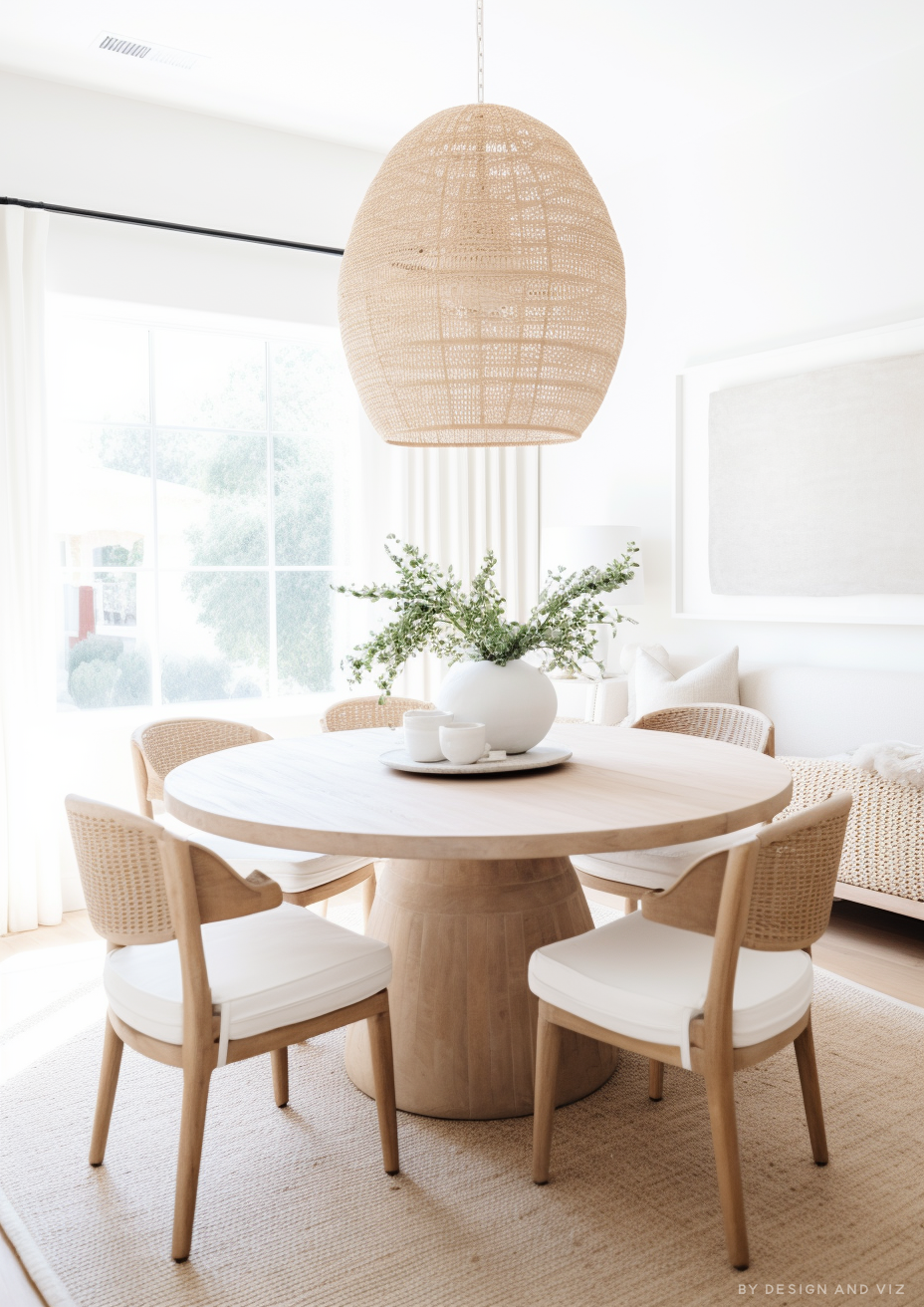
Decor is often in the details—a throw cushion’s piping, a table’s edge profile, the subtle texture of a rug. CGI excels at capturing these things. In a render, you might notice the subtle difference between a flat weave and a tufted rug, or how a brushed brass leg catches light differently than polished brass.
That level of detail is what separates good design from great design. It’s why you might pick a cushion pattern that looks fine in a flat photo, but in the rendered room, you realize its scale is off or its colour clashes slightly. Fix it before you buy it. The difference is real.
A New Role for Decor Professionals

Decor professionals—interior stylists, online retailers, furniture brands—are adopting CGI not as a gimmick but as a standard part of design strategy. They’re creating digital showrooms, stylised virtual sets, and mood-boards that move and update instantly.
Retailers, for example, might use CGI to show a seasonal collection in multiple room styles—mid-century, coastal, urban industrial—without photographing each scene physically. Brands can localize imagery easily for regional tastes. Designers can present three alternate layouts to clients in a single meeting. The workflow changes—and so does the value proposition.
Where Home Decor Meets Technology

The tech side is fascinating. Real-time rendering is growing, AR apps are becoming common, even VR walkthroughs are part of the decor process. Imagine picking your rug, then using your phone to point at your floor and drop it in. Or using a VR headset to walk around your new living room layout before any boxes arrive.
These tools shift decor from a visual decision to an experiential decision. You engage with space, with material, with flow—all virtually. That’s powerful. Because home is not just what you see—it’s how you feel.
Challenges and Considerations

Of course, CGI isn’t magic. There are choices to make. One risk is over-perfect renders that feel too staged or artificial, which might set unrealistic expectations. Choosing the right textures, accurate lighting, and realistic scale—all matter. The better the CGI, the more trustworthy the outcome.
Also, while the virtual world allows for endless variation, real life has constraints. Shipping, assembly, scale, budget—they still matter. The luxury of trying everything doesn’t mean you ignore practicalities. But CGI lets you merge the imaginative with the practical, early on.
Looking Ahead

The horizon is bright. As rendering technology improves, home decor will become even more interactive and personalized. AI could suggest decor layouts based on your preferences. Virtual showrooms may let you browse entire house themes, swapping styles with a click. Augmented reality could let you place furniture live in your space, see how it moves with you, and change finishes instantly.
What’s emerging is a world where the digital and physical parts of home decor merge seamlessly. Your phone or tablet becomes the tool you use before ever unwrapping a cushion. Designers become visual directors, brands become storytellers. And homeowners become part of the process, not just the purchaser.
Conclusion

CGI is changing how we decorate our homes. It’s making the process smarter, clearer, more collaborative, and more exciting. It helps designers and homeowners experiment, refine, and make decisions with confidence. It aligns vision with reality, and emotion with execution.
At the end of the day, home decor is more than style—it’s how we live. And now we’re decorating with the benefit of foresight, clarity, and experience. The cushions, the rugs, the lamps—they still matter. But now we see them, test them, feel them—before they arrive. That’s the shift. And it changes everything.


Comments