


Sustainable Interior Design: 31 Fresh Ideas for a Greener, Stylish Home

Just like the rise of plant-based eating and electric vehicles, sustainable interior design has moved from being a niche movement to a mainstream necessity. Today, eco-conscious living isn't just about what you eat or drive — it’s also about how you shape the spaces where you live, work, and play. And trust us, it’s not about sacrificing style for sustainability — in fact, it often leads to even more creative, personalized, and beautiful interiors.
Thanks to growing awareness, there are now endless ways to weave sustainability into
every corner of your home — from energy choices to furniture decisions. Whether you’re planning a full renovation or simply want to make a few mindful updates, you can play a meaningful role in protecting our planet while creating a home you love.
Ready to make a positive impact? Ahead, find 31 fresh ideas to practice sustainable interior design across your entire home. Your future self (and the Earth) will thank you.
1. Sustainable Interior Design: Start With a Plan

Before you dive into buying new items, take inventory of what you already own. Create a thoughtful plan centered around reusing, repurposing, and refreshing. A clear strategy minimizes impulsive shopping and keeps your project focused on eco-friendly choices.
2. Sustainable Interior Design: Prioritize Natural Materials

Look for furniture and decor made from renewable, biodegradable materials like rattan, wool, cork, bamboo, and organic cotton. These materials not only have a lower carbon footprint but also age beautifully over time.
3. Sustainable Interior Design: Embrace the "Pre-Loved" Life

Secondhand shopping is a major win for the planet. Vintage markets, estate sales, and online resale platforms are goldmines for unique pieces that come with built-in character — no extra production emissions required!
4. Sustainable Interior Design: Choose Low-VOC Paints

Conventional paints release volatile organic compounds (VOCs) that harm indoor air quality. Opt for low-VOC or zero-VOC paint brands to create a healthier home for your family and the environment.
5. Sustainable Interior Design: Invest in Multi-Functional Furniture

Instead of filling your space with single-use pieces, invest in furniture that serves multiple purposes — like storage ottomans, sleeper sofas, and modular shelving. Fewer items = less waste.
6. Sustainable Interior Design: Refresh Instead of Replace

Before tossing an old dresser or sofa, consider refinishing, reupholstering, or repainting it. A little DIY magic can breathe new life into tired furniture and keep it out of the landfill.
7. Sustainable Interior Design: Maximize Natural Light

Reduce your need for artificial lighting by optimizing natural light flow. Use mirrors strategically, choose lighter color palettes, and avoid heavy window treatments that block sunlight.
8. Sustainable Interior Design: Buy Local When Possible

Support nearby artisans, craftsmen, and furniture makers. Local sourcing cuts down on carbon-heavy shipping and boosts your community’s economy at the same time.
9. Sustainable Interior Design: Focus on Timeless Style

Skip fast-fading trends and lean into classic designs and durable craftsmanship. Timeless interiors last longer — which means you’ll be replacing items less often.
10. Sustainable Interior Design: Incorporate Salvaged Wood

Reclaimed wood beams, tables, and flooring add instant warmth and authenticity to a space while giving old materials a second life.
11. Sustainable Interior Design: Think About End-of-Life

Before you buy anything new, ask: What happens when I’m done with it? Opt for items that can be recycled, composted, or easily repurposed rather than destined for the dump.
12. Sustainable Interior Design: Layer Textiles With Purpose

Choose sustainably sourced or recycled fabrics for your throws, rugs, and curtains. Organic linen, hemp, and recycled polyester are great options for earth-friendly style.
13. Sustainable Interior Design: Eco-Upgrade Your Mattress

Traditional mattresses are landfill nightmares. When it's time to replace yours, consider organic, biodegradable options made with natural latex, organic wool, or cotton.
14. Sustainable Interior Design: Create a Zero-Waste Office

Use reclaimed desks, energy-efficient lighting, and eco-friendly office supplies to create a
work-from-home setup that's as green as it is inspiring.
15. Sustainable Interior Design: Install Smart Thermostats

Modern smart thermostats optimize your heating and cooling usage, reducing energy waste and lowering your monthly utility bill.
16. Sustainable Interior Design: Choose Green Energy Providers

Where available, switch to renewable energy providers that prioritize wind, solar, or hydropower. If not, explore adding your own solar panels.
17. Sustainable Interior Design: Minimize Plastic Decor

Plastic items rarely break down fully. Instead, opt for ceramics, metal, glass, or wood when selecting home decor.
18. Sustainable Interior Design: Upgrade Your Insulation

A well-insulated home means lower energy usage all year round. Seal drafts and choose eco-friendly insulation materials like recycled denim or cellulose.
19. Sustainable Interior Design: Introduce a Home Composting System

If your city allows, a compost bin in the kitchen can help cut food waste and nurture your indoor plants naturally.
20. Sustainable Interior Design: Cultivate an Indoor Garden

Growing herbs, leafy greens, and even small fruits indoors not only reduces food miles but also beautifies your space.
21. Sustainable Interior Design: Source Vintage Light Fixtures

Vintage and antique lighting can be rewired easily for modern use and brings a one-of-a-kind flair to your home.
22. Sustainable Interior Design: Minimize Water Waste

Install aerators on faucets, choose efficient dishwashers, and practice mindful water use to make your home even greener.
23. Sustainable Interior Design: Use Eco-Friendly Flooring
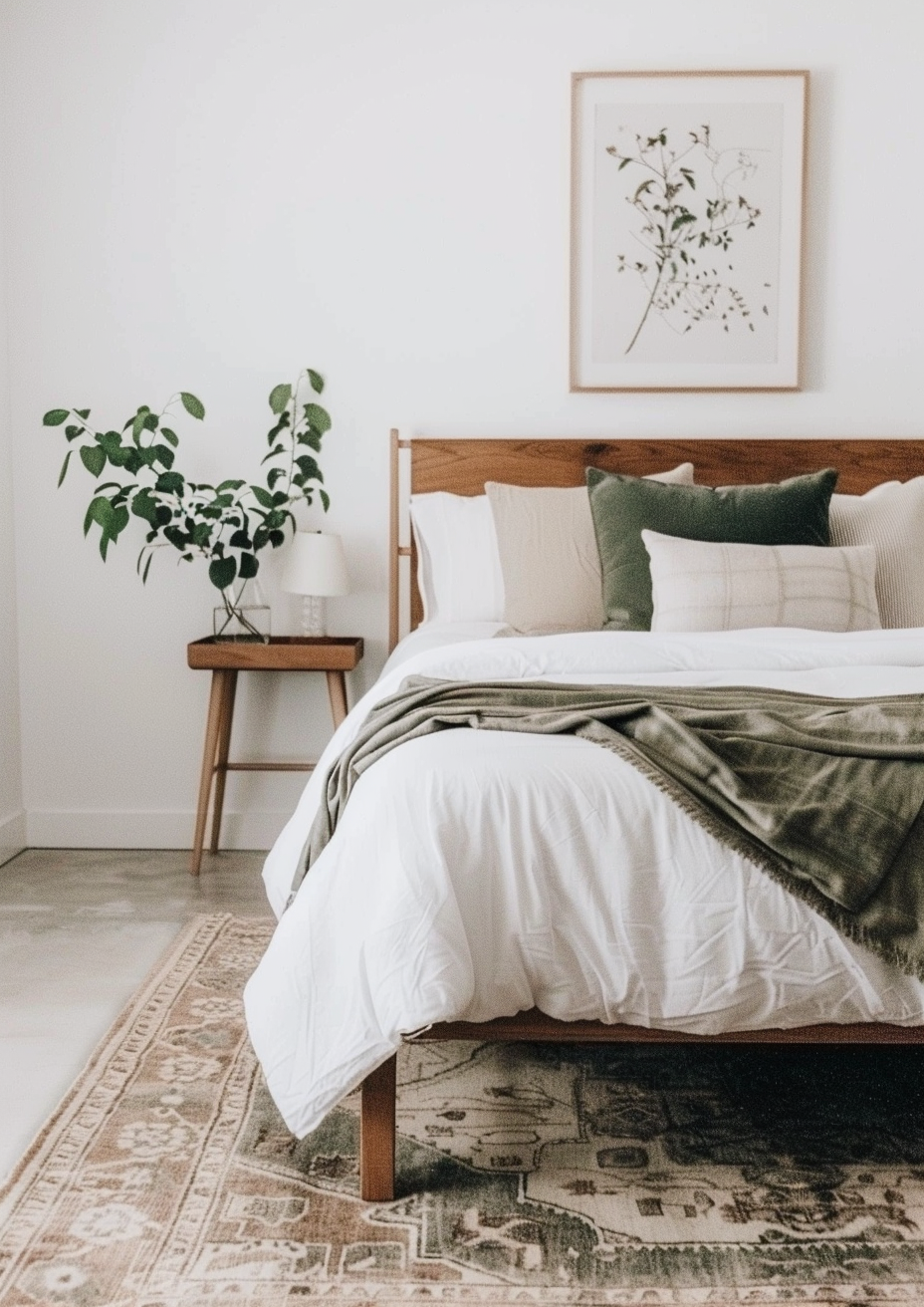
When renovating, consider materials like cork, bamboo, reclaimed wood, or recycled tile for a sustainable flooring choice.
24. Sustainable Interior Design: Opt for Modular Kitchens

Instead of full gut renovations, modular kitchen systems allow you to swap out parts without redoing the entire space, cutting waste drastically.
25. Sustainable Interior Design: Buy in Bulk

Minimize packaging waste by buying cleaning supplies, pantry staples, and bath products in bulk — or refillable formats.
26. Sustainable Interior Design: DIY Your Wall Art

Skip mass-produced prints. Frame pressed flowers, paint your own art, or print photos you’ve taken — unique, affordable, and low-impact!
27. Sustainable Interior Design: Collect Rainwater

Collect rainwater for use in your garden or cleaning tasks. It’s sustainable and saves on water bills.
28. Sustainable Interior Design: Celebrate Minimalism

Less stuff = less impact. Practice mindful minimalism and only bring items into your home that truly add value or joy.
29. Sustainable Interior Design: Install Motion Sensor Lights

Especially in less-used spaces like hallways and bathrooms, motion sensor lighting can save a significant amount of energy over time.
30. Sustainable Interior Design: Recycle Home Renovation Waste

Whether you’re redoing a room or a whole house, responsibly recycle or donate old appliances, cabinets, tiles, and other materials.
31. Sustainable Interior Design: Advocate for Greener Policies

Support brands, local laws, and initiatives that push for greener building practices and products — every voice helps.
FAQ: Sustainable Interior Design
What is sustainable interior design?
Sustainable interior design focuses on creating spaces that are environmentally responsible, resource-efficient, and mindful of human health throughout their entire lifecycle.
Is sustainable design more expensive?
While certain eco-friendly products can cost more upfront, they often last longer and reduce energy and maintenance costs over time, saving you money in the long run.
Can I practice sustainable interior design if I rent my home?
Absolutely! Simple changes like choosing eco-friendly textiles, shopping secondhand, upgrading to smart lighting, and using energy-efficient appliances are all renter-friendly ways to make a difference.
Ready to Design Sustainably?
At BY Design And Viz, we specialize in both interior and exterior architectural design that merges stunning aesthetics with sustainable practices. Whether you're planning a new build or updating a beloved space, our experts can help you create a beautiful, future-forward home you'll be proud of.
Contact us today for a free consultation and start designing a greener tomorrow! ✨


Comments