


How To Frame a Door: The Designer-Approved Method That Makes Installations Go Smoothly

If you’ve ever installed a door that didn’t quite close right, stuck at the hinge, or left an awkward gap, the issue rarely begins with the door itself. It starts with the frame.
There’s something incredibly satisfying about installing a new door — that crisp click when it closes properly, the clean reveal lines, the way it instantly elevates the room. But none of that magic happens unless the groundwork is done with intention. And by groundwork, we mean the door frame. Learning how to frame a door correctly is the quiet hero behind every smooth installation and every door that behaves exactly the way you expect it to.
Even if you’re not planning to pick up the saw yourself, understanding what a proper frame looks like helps you make informed choices, communicate with your contractor and prevent one of the most common home improvement headaches: a misaligned doorway. This is one of those topics that feels technical on the surface, but once you understand the structure, everything clicks into place — literally.
Ahead, we’ll walk through the complete, designer-approved method for how to frame a door, from accurate measurements to the final trim-ready shape. If you’ve ever wondered why door frames vary, why some installations go wrong, or what actually needs to happen before a door can be hung, you’re in exactly the right place.
At A Glance
How to measure accurately for a correct rough opening
Which framing components you need and what each one does
How king studs, jack studs and headers come together
Why adding height and width to your measurements is essential
How to prepare the opening before hanging the door
What to avoid if you want a straight, aligned frame
1. How To Frame a Door: Start With the Correct Measurements

Before you even think about cutting timber, your first mission is to take accurate measurements of the door you plan to install. This is where many framing issues begin — not with the wood, but with the tape measure.
When learning how to frame a door, always measure the actual door slab first. Note both height and width, then add the clearance required to accommodate the frame components, shims and the natural movement that comes with installation. The industry standard is adding two inches to the width and 1½ inches to the height. This gives you the exact size of the rough opening you need to create.
A rough opening isn’t meant to be tight. If anything, a little breathing room ensures a smoother, more forgiving installation later. Think of it as giving the door permission to sit comfortably rather than squeezing it into a space that was never meant for it.
Designer Tip
If your home is older, measure the door in multiple places. Floors and ceilings love to shift over time, and a consistent measurement in one spot doesn’t guarantee consistency everywhere.
2. How To Frame a Door: Understanding the Anatomy of a Door Frame

Before you cut a single piece of wood, it helps to understand the roles of each component in the frame. A well-constructed door frame is essentially a miniature structure within your wall — one that carries weight, distributes load and ensures your door hangs straight.
Your key elements include:
Top plate
Sole plate
King studs
Jack studs
Header
Cripple studs
Each one has a very specific function. King studs create the vertical boundaries of the opening, jack studs support the header, and the header reinforces the structural load above the door. The cripple studs fill in the gap between header and top plate, making the entire frame feel cohesive and ready for finishing.
Understanding this layout means you can follow each step with confidence, knowing exactly why each piece is necessary.
Designer Tip
Have a pencil sketch next to you — even a simple outline helps visualise how each piece fits together as you frame the door.
3. How To Frame a Door: Building the Basic Structure

This is where measuring meets making. Begin by cutting your top plate to match the width of the rough opening and secure it into the ceiling joists. Then cut the sole plate to the same width and secure it to the floor joists — but leave the area between the door width un-nailed, because you’ll be removing that portion later.
Next, cut four king studs to match the full height between top and sole plates. Two king studs sit on the outer edges of your rough opening, and the other two sit five inches apart — the width of your door plus that extra installation allowance.
This structure creates the vertical strength your door frame will rely on.
Designer Tip
Double-check the vertical alignment of your king studs. A perfectly straight stud at this stage prevents sticking hinges and uneven gaps later.
If you're tackling a project like framing a door as part of a larger renovation, our process helps you stay organised, clear on decisions and confident from start to finish. We guide the layout, materials and details so every step works together seamlessly. If you’d love a project that feels structured rather than stressful, explore how our design process works today.
4. How To Frame a Door: Installing Jack Studs and the Header

Once the king studs are in position, it’s time to create the structure that will physically support the door. Jack studs are cut to the height of the door slab plus 1½ inches. These pieces sit inside the king studs and form the vertical support for the header.
The header is made by cutting two matching pieces of wood and nailing them together. This stronger, doubled-up beam distributes weight above the doorway so the area doesn’t sag or shift over time. Nail the header into the jack studs, and suddenly the opening starts to look like a real doorway.
This step is often where people feel the project click — it’s the moment the shape becomes recognisable.
Designer Tip
When learning how to frame a door, always secure the header tightly into both jack studs. If it feels loose now, it will become a structural issue later.
5. How To Frame a Door: Finishing the Frame With Cripple Studs

The space between the header and top plate isn’t just decorative — it’s an essential structural component. Cripple studs, cut to size, reinforce this gap and complete the integrity of the frame.
They also prepare the opening for plasterboard, trim and any finish materials you plan to use later. Installing the cripple studs is simple, but it’s one of the most important steps for creating a frame that is solid, square and ready for the next phase.
Designer Tip
Use a level to double-check each cripple stud as you secure it. Small misalignments add up quickly once finish materials go on.
6. How To Frame a Door: Removing the Sole Plate Section

With everything now secure, you can cut out the portion of the sole plate that sits between the jack studs. This is the moment the opening becomes an actual walk-through space. Removing this piece transitions the frame from structural preparation to installation readiness.
It also signals that you’ve completed the core task: you’ve learned how to frame a door from start to finish, and the structure you’ve built is exactly what a professional installer expects to see.
Designer Tip
Cut slowly and carefully around nails. A rushed cut here can crack plasterboard or shift the base of your frame.
If framing a door is just one component of your project, we’d love to help you map out the bigger picture. Whether it’s flow, layout, storage or architectural detailing, we make the entire process feel structured and achievable. Book a free consultation and let’s shape your next project together.
7. How To Frame a Door: Preparing for Installation

Once the frame is complete, you’re ready for the next phase: installing the door itself. Before that happens, check the structure thoroughly. Are all studs secure? Are the verticals straight? Does the header sit flush?
This final review stage is the difference between a quick installation and a day of troubleshooting. When learning how to frame a door, this is the moment to be thorough — even if everything looks good at first glance.
Designer Tip
Place your level against both sides of the frame to check for any twist. Catching issues here saves you from hinge adjustments later.
8. How To Frame a Door: Common Issues and How to Avoid Them

A few recurring problems appear in door framing, regardless of where the house is located or how the walls were built. Floors can be uneven, studs can warp and walls can be out of square.
When these issues appear, they’re not signs of a bad job — they’re opportunities to adjust. Shims, precise cutting, extra screws and strategic reinforcement help correct these inconsistencies without derailing the entire project.
Knowing what to expect makes the process much smoother and builds confidence along the way.
Designer Tip
If a stud is slightly warped, position the curve so it faces outward, not inward toward the opening. This prevents future alignment issues.
9. How To Frame a Door: When To Hire a Professional

Framing a door is a rewarding DIY project, but some scenarios call for professional help. Load-bearing walls, unusually wide doorways, structural damage or damp issues all require experienced evaluation.
While the method stays the same, the stakes get higher when the structure around the door carries the weight of the building. If anything feels uncertain, it’s always worth asking a contractor for guidance. A well-framed opening is essential for long-term performance.
Designer Tip
If you suspect the wall is load-bearing, pause the project until a professional confirms the structure. It’s better to be certain than to guess.
10. How To Frame a Door: Final Touches Before Hanging the Door
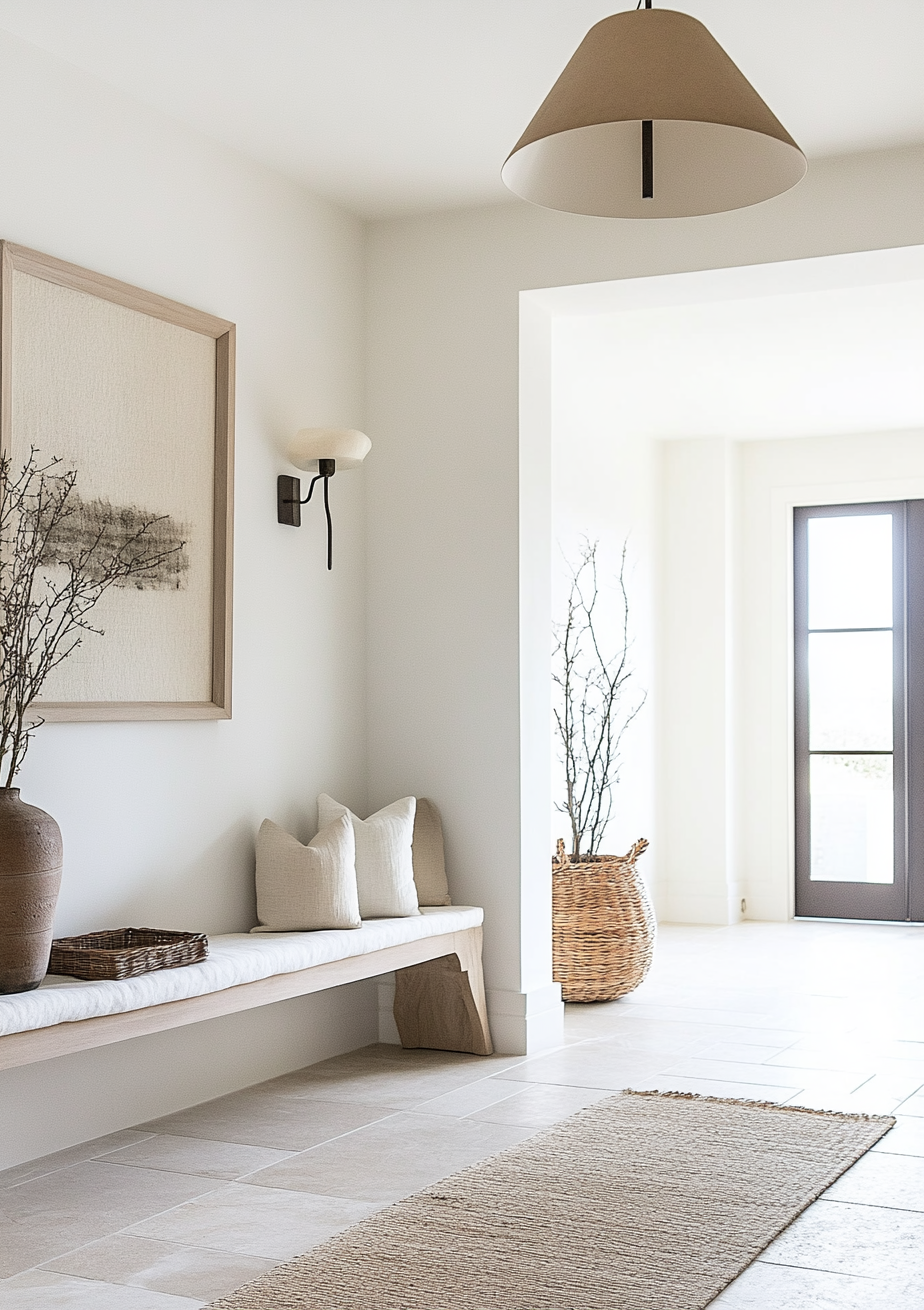
Before the actual installation begins, clean up the edges, remove loose debris and make sure the opening is ready for trim. A neat, prepared space makes every step afterwards feel streamlined.
This is also the moment to choose your hinges, hardware and the direction the door will swing. These
details influence how you experience the room, and they all rely on the accuracy of your new frame.
Designer Tip
Check the swing of surrounding doors so nothing collides once installed. Small layout tweaks now can prevent daily frustration later.
Conclusion
Learning how to frame a door gives you a clear understanding of what makes a doorway functional, stable and visually aligned. With the correct measurements, a well-built frame and attention to detail at each step, the installation that follows becomes straightforward instead of stressful. Whether you’re completing a DIY project or guiding a contractor, these steps set the foundation for a well-fitted, cleanly finished doorway that supports your home for years to come.
FAQ: How To Frame a Door
Why do I need extra width and height when framing a door?
Adding extra space ensures room for shims, the frame and installation adjustments, helping the door sit correctly.
Do I need a header in every door frame?
Yes. The header distributes weight above the doorway and prevents sagging, even in internal walls.
What tools do I need to frame a door?
A saw, hammer, nails, measuring tape and level are essential for accurate framing.
Can I frame a door in a load-bearing wall myself?
It’s best to consult a professional. Load-bearing walls require structural assessment before framing.
If this project is one piece of a bigger renovation puzzle, we’d love to help you shape the full picture. From layout to detailing, we guide every decision so your home feels intentional and beautifully resolved. Let’s begin your design project together today.
Author Bio
Beril Yilmaz leads BY Design And Viz with a passion for thoughtful, functional, visually refined interiors. Blending technical understanding with a keen eye for proportion and flow, she helps homeowners make confident design decisions and shape spaces that feel resolved down to the smallest detail.


Comments