


Small Design Choices That Make a Big Difference in Interior Comfort

Interior comfort is often blamed on big decisions. Layout changes. New furniture. Renovations that take weeks. Yet in many homes, discomfort builds quietly from smaller details that rarely get attention at first.
A room might look finished and still feel awkward to use. Light shifts too quickly. Privacy feels inconsistent. One side of the space feels warmer than the other. None of these issues stand out on their own, but together they shape how the room is actually lived in.
How Light Really Affects Daily Use of a Room

Natural light is usually described as an asset. Open layouts and large windows are popular for good reason. They make spaces feel open and connected, especially in the morning.
The problem shows up later. Afternoon sun hits at a different angle. Screens become harder to use. Certain seating areas stop feeling comfortable even though nothing has changed visually. People adjust without thinking about it. Chairs move. Curtains stay closed longer. Some rooms are used less.
Light control does not mean blocking daylight completely. Most discomfort comes from glare and contrast rather than brightness itself. Softening light often makes a bigger difference than darkening a space.
This is where window treatments stop being decorative choices and start behaving more like functional design tools.
How Daily Routines Reveal Comfort Issues Over Time
Most comfort problems do not appear immediately. They show up slowly, through routine. A room feels fine during quick visits, but discomfort becomes noticeable during longer stretches of use. Morning light feels pleasant, yet the same space becomes tiring by afternoon. A chair is moved closer to the wall. Blinds stay closed longer than intended.
These small adjustments are signs that something is slightly off. Over time, people adapt without realising they are compensating for light, exposure, or temperature.
Paying attention to these patterns often reveals where simple design changes can improve comfort without altering the space itself.
Privacy Is Usually Felt Before It Is Noticed

Privacy rarely feels like an issue at first. It becomes noticeable at specific moments. Evening lighting. Street-facing rooms. Neighbours passing by. The room feels different even though the layout has not changed.
When privacy is missing, people change their behavior. Lights are dimmed. Curtains are closed earlier than intended. Some spaces feel less relaxing at night.
Design guidance on window treatments often recommends adjustable options that balance privacy with usable daylight.
Blinds Scottsdale decisions work best when tied to real routines, like evenings on the sofa or early mornings in the kitchen. Privacy is the driver, but comfort is the result.
Windows Influence Temperature More Than Expected

Temperature problems are often blamed on air conditioning or insulation. Windows are rarely mentioned, even though sunlight heats glass quickly and unevenly.
The U.S. Department of Energy notes that window coverings can reduce solar heat gain and help regulate indoor temperatures through the day.
Rooms with large windows often feel warmer long before cooling systems react. One part of the room feels fine. Another feels uncomfortable. Thermostats are adjusted more often than necessary.
Managing sunlight before it spreads through the room helps stabilize these shifts. When heat is filtered early, spaces feel more consistent across the day. The result is subtle, but it changes how the room is used.
From a design standpoint, window planning becomes part of a comfort strategy rather than an afterthought.
Visual Balance Has a Direct Impact on Comfort
A room can meet every functional need and still feel unsettled. This often comes down to proportion.
Windows that feel unfinished or poorly fitted disrupt visual flow. Treatments that are slightly too short or too narrow draw attention even when people cannot explain why. The space feels off.
Well-fitted window treatments tend to disappear into the room. They align with wall planes and ceiling height. The room feels calmer without adding decoration.
This is why many designers treat window treatments as architectural elements rather than accessories.
Layering Makes Spaces Easier to Live With
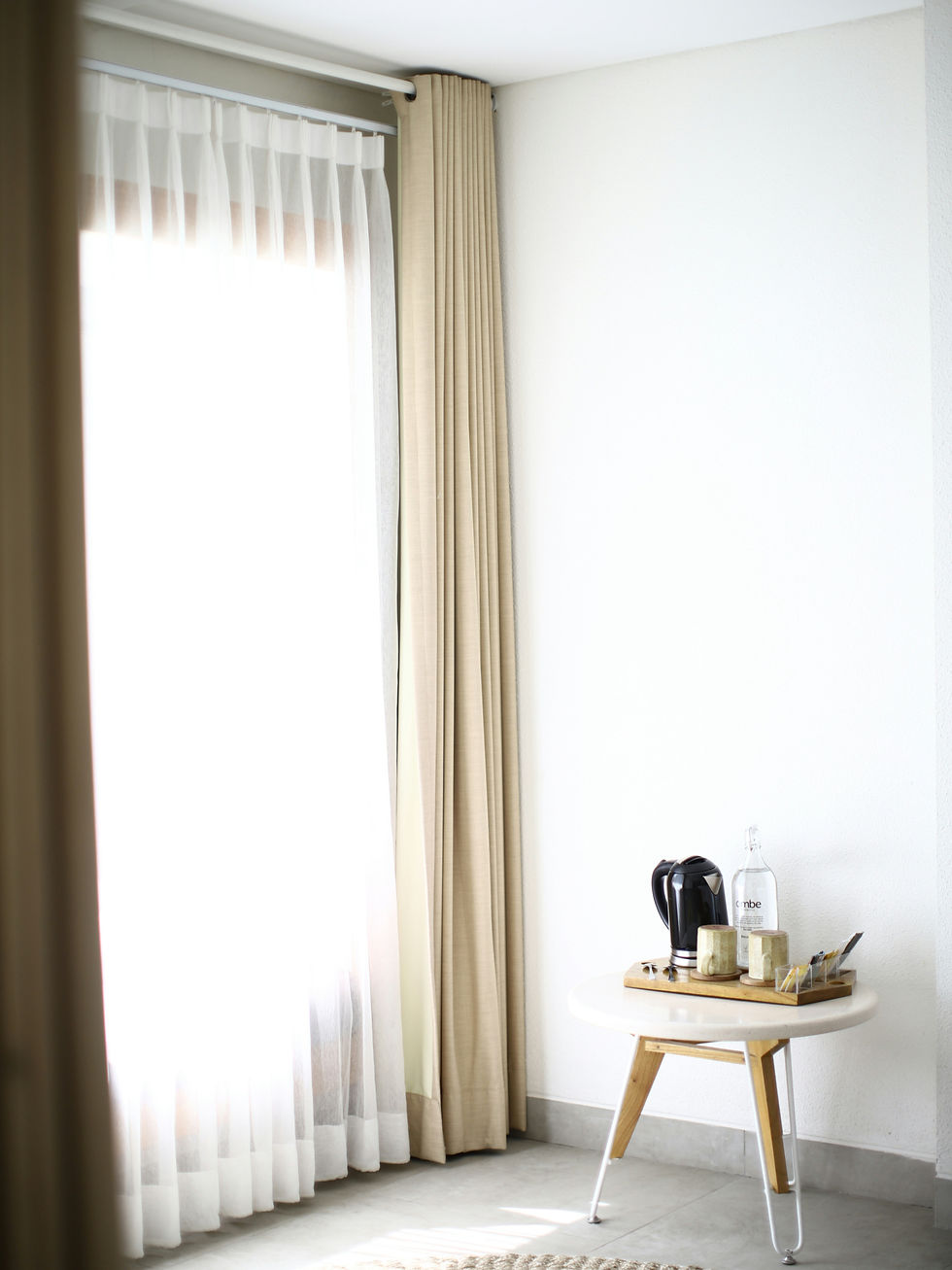
Layered window treatments appear often in comfortable interiors, not because they are trendy, but because they work.
Sheer materials allow light to remain present. Heavier layers add privacy when needed. The room can change character gradually instead of switching between open and closed.
This flexibility matters in spaces that serve multiple purposes. Living rooms. Bedrooms. Home offices. One room can support different uses without feeling compromised.
Materials Change How Light and Sound Behave

Material choice affects more than appearance. Smooth surfaces reflect light sharply. Textured fabrics soften it. The difference becomes noticeable over long periods of use.
Softer materials also influence sound. While window treatments are not soundproofing solutions, layered fabrics can reduce sharp noise and echo. Spaces feel quieter and more contained, especially in busy areas.
When materials relate well to flooring and furniture, the room feels cohesive instead of busy.
Real Homes Rarely Need Uniform Solutions
Standard solutions assume all rooms behave the same way. They do not.
Light enters from different directions. Privacy needs change. A bedroom functions differently from a living area. A workspace has its own requirements.
This is why many homeowners work room by room rather than applying one solution everywhere. Providers like Arizona Window Covering Company often focus on how each space is actually used, not how it looks in photos.
Small Changes Often Replace Bigger Projects
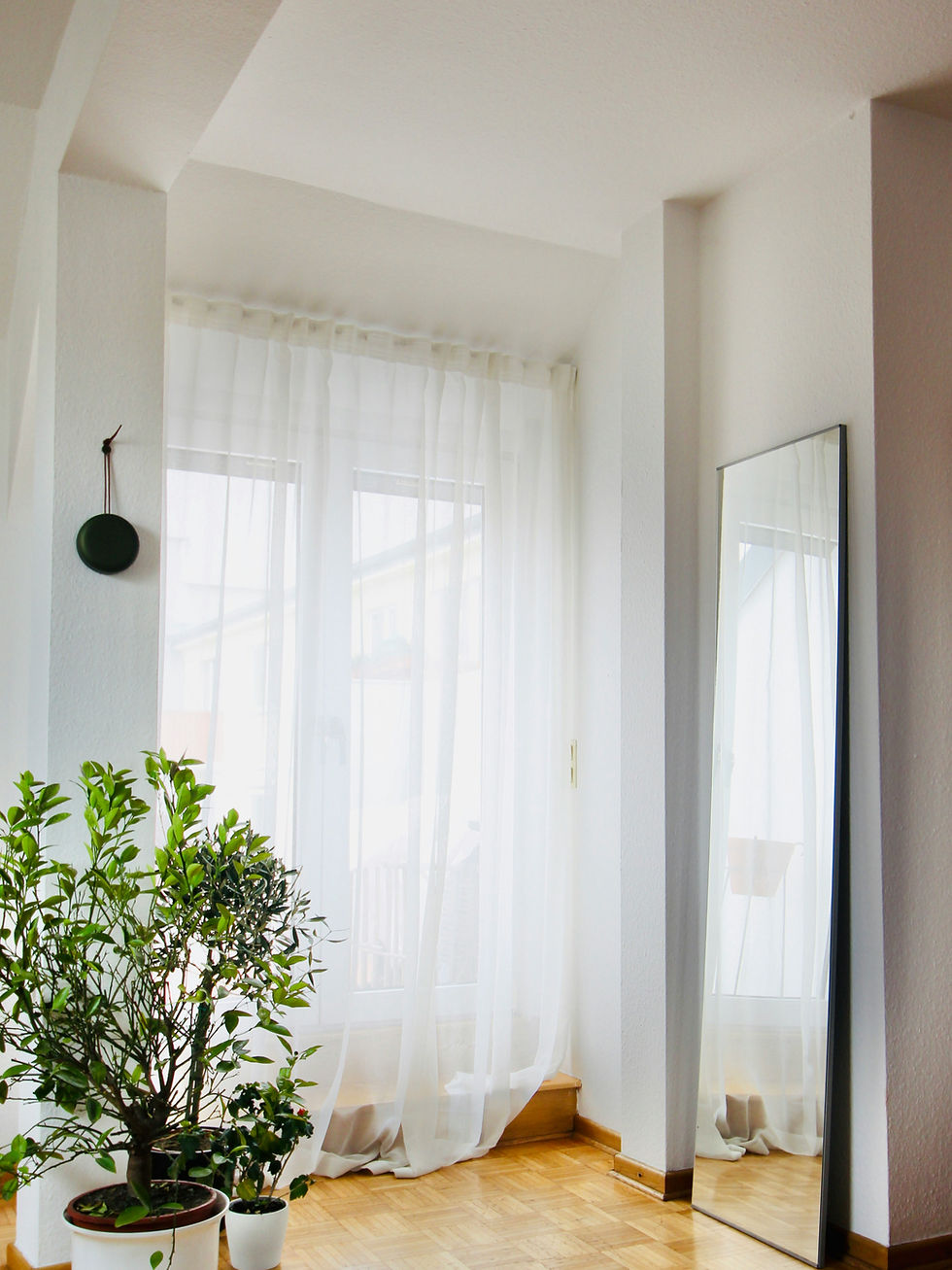
Large renovations can be disruptive and expensive. Many comfort issues do not require them.
Adjusting how light, privacy, and temperature are handled often changes the experience of a room quickly. These updates work quietly. The space stops demanding attention.
Comfort improves when rooms respond naturally instead of needing constant adjustment.
Comfort Comes From Accumulation, Not One Decision
Comfort rarely comes from one dramatic choice. It builds through many small decisions that work together.
Light feels manageable. Privacy feels natural. Temperatures remain steady. Visual balance supports calm.
Window treatments sit at the intersection of all these factors. When chosen thoughtfully, they improve daily living without announcing themselves.
That is often what makes the biggest difference.


Comments