


Iron Ore Sherwin Williams Is The Bold Exterior Shade Designers Can’t Stop Using This Year

Updated: Apr 22
There’s something magnetic about a home that doesn’t shy away from depth. Iron Ore by Sherwin Williams has become that colour — the one quietly reshaping entire streets and challenging everything we thought we knew about near-black exteriors.
Every few years, a paint colour becomes part of the wider design conversation — not because it’s trendy, but because it solves a real problem for homeowners who crave impact without harshness. Iron Ore Sherwin Williams is exactly that colour. It’s deep, grounded, and instantly architectural, yet far more adaptable than a true black.
You’ve probably seen it cropping up on exteriors everywhere: modern builds, farmhouses, bungalows, and even brick homes ready for a second life. And there’s a reason it keeps appearing in designer portfolios. Iron Ore has the strength of a dark finish without the flat, stark look that can overwhelm a façade.
In this blog, we’re diving fully into how Iron Ore Sherwin Williams behaves on exteriors, why designers reach for it when clients want presence, and how to pair it with the right materials, undertones, and architectural features. Whether you’re debating a full exterior repaint or exploring a dramatic shift for trim and accents, you’ll leave with a clear sense of how this colour could transform your home’s street identity.
At A Glance
How Iron Ore Sherwin Williams reads on different exteriors
The undertones designers consider before specifying it
Pairing Iron Ore with stone, wood, and metal
When Iron Ore works better than true black
Exterior elements that suit Iron Ore the most
Designer-approved alternatives to compare
1. Iron Ore Sherwin Williams: Understanding Its Depth on Exteriors

Iron Ore Sherwin Williams sits at an LRV of 6, which immediately tells us we’re dealing with a near-black shade that absorbs light rather than reflects it. But unlike hard true blacks, Iron Ore carries a softer charcoal profile that adapts depending on natural light and fixed exterior materials. On south-facing homes, it appears crisp and strong; on shaded façades, it becomes more dimensional, subtly shifting with shadows throughout the day.
One of the reasons designers specify Iron Ore so often is that it creates a clear outline of architectural forms. If your home has interesting levels, gables, or textural cladding, Iron Ore emphasises these elements without overwhelming them. That sculptural quality is difficult to achieve with lighter colours.
Designer Tip:Always sample Iron Ore on multiple sides of your exterior. Natural light dramatically changes its depth, and this colour needs to be viewed under morning, midday, and evening conditions to judge it properly.
For the full comparison of Iron Ore against BM Kendall Charcoal — the lighter, more versatile dark gray that is more liveable as a full room colour — the Kendall Charcoal vs Iron Ore guide covers every application and a clear verdict.
2. Iron Ore Sherwin Williams: How Its Undertones Behave in Real Life

Despite how dark it is, Iron Ore Sherwin Williams contains almost no obvious undertones. It isn’t blue-black or brown-black, which is why it works across diverse architectural styles and climates. However, that doesn’t mean it behaves the same on every surface. On smooth render or siding, it reads like a deep charcoal. On rougher materials such as cedar or textured brick, subtle warmth emerges simply because darker shades pick up the undertones of adjacent materials.
This neutrality is what makes Iron Ore such a reliable pairing colour. Whether you’re working with reclaimed brick, limestone, blonde timbers, or even black metal roofing, it blends rather than battles.
Designer Tip:Compare Iron Ore against your roof colour before committing. A dark roof paired with Iron Ore can create a heavy silhouette unless balanced with mid-toned stone or timber.
3. Iron Ore Sherwin Williams: Pairing It With Stone, Wood and Brick

Iron Ore Sherwin Williams comes alive when it has something to contrast against. Stone cladding with natural variation — greys, taupes, or light sandstone — tends to sharpen the charcoal effect. Timber is where the colour becomes especially compelling; against cedar or oak, Iron Ore feels grounded and architectural.
Brick exteriors painted in Iron Ore are increasingly popular because the charcoal tone adds structure and freshness without stripping the character of the material. The result is far more dimensional than a true black finish.
Here are three strong material pairings designers return to repeatedly:
Iron Ore siding with mid-tone stone for layered contrast
Iron Ore render with natural cedar cladding for balance
Iron Ore painted brick with crisp white trim for definition
Designer Tip:If your home has multiple materials, choose one feature to stay lighter; contrast is what keeps Iron Ore feeling deliberate rather than flat.
If you’re considering Iron Ore Sherwin Williams but want reassurance on materials, proportions, and overall impact, we’d love to show you how our design process delivers clarity long before the paintbrush comes out. We walk you through palettes, exterior finishes, and layouts so you can make confident, informed decisions from day one.
4. Iron Ore Sherwin Williams: When It Beats a True Black Exterior

A common misconception is that only a pure black can offer dramatic curb appeal. In practice, true black often reads flat and unforgiving outdoors. Iron Ore Sherwin Williams offers depth without harshness. It frames windows and doors beautifully, works with both modern and traditional architecture, and avoids the sharp contrast issues that come with stark black.
Where Tricorn Black can sometimes feel too strong, Iron Ore strikes a more forgiving balance, especially in bright climates where direct light can wash out undertones.
Designer Tip:If you want a layered monochrome scheme, use Tricorn Black on trim or doors and Iron Ore on the main exterior for a subtle yet controlled tonal shift.
5. Iron Ore Sherwin Williams: Exterior Lighting and Shadow Play

Dark exteriors behave completely differently depending on lighting. Iron Ore Sherwin Williams interacts with sunlight in a way that makes textures — shiplap, board and batten, stone, or tongue-and-groove cladding — appear sharper. It effectively creates built-in contrast through shadow lines.
Artificial lighting at night also transforms Iron Ore. Warm exterior sconces or architectural uplights give the façade a sculptural quality, perfect for homes with strong geometry or landscaping features that you’d like to highlight.
Designer Tip:Plan exterior lighting early. Dark paint absorbs more light, so strategic placement of uplights and sconces is key to ensuring your home still has evening presence.
6. Iron Ore Sherwin Williams: Trim, Windows, and Door Combinations

The trim colour you choose with Iron Ore can completely change the mood of your exterior. Crisp white creates a clear division between materials, emphasising symmetry and proportion. Mid-tone greys lend subtlety and blend more seamlessly with the charcoal base. Timber accents or stained wood front doors add organic variation that prevents the exterior from becoming too uniform.
Windows matter just as much. Black frames with Iron Ore create an intentional, refined look. White frames give a more classic, high-contrast finish that suits traditional homes.
Designer Tip:If your windows are a fixed colour (often white or black), make Iron Ore work with them rather than fighting to conceal them.
Choosing a colour like Iron Ore Sherwin Williams becomes easier when you understand your natural design preferences. Our quick style quiz helps you uncover the palette direction that feels most like you, making every exterior decision far simpler.
7. Iron Ore Sherwin Williams: Ideal Architectural Styles for This Colour

Iron Ore Sherwin Williams is remarkably universal. Contemporary builds use it for depth and contrast; mid-century homes embrace it for its graphic sensibility; farmhouses lean on it to ground bright metal roofing or lighter trims. Even cottages and bungalows take well to Iron Ore when balanced with natural stone or wood.
What matters is proportion. A full Iron Ore exterior looks best when the architecture has varying planes, rooflines, or cladding textures. On simpler façades, using Iron Ore selectively on gables, upper stories, or feature walls may feel more balanced.
Designer Tip:If your architecture is flat-fronted, incorporate vertical lines such as board and batten to help Iron Ore emphasise height and structure.
8. Iron Ore Sherwin Williams: Comparing Alternatives Like Wrought Iron

For those drawn to the idea of Iron Ore but unsure if its depth is right, Benjamin Moore Wrought Iron is the closest alternative. It sits slightly higher on the LRV scale, making it marginally lighter. To most eyes, the difference is subtle, but Wrought Iron reads a touch softer in lower-light settings.
Tricorn Black from Sherwin Williams offers a completely different option: a full, true black for those who want maximum impact. The key is understanding your home’s natural light, landscaping, and proportions before choosing between these deeper tones.
Designer Tip:Place Iron Ore and Wrought Iron samples side by side on the same wall. Only natural light reveals which direction feels more balanced.
9. Iron Ore Sherwin Williams: Exterior Doors, Shutters, and Accent Features

Iron Ore is strong enough to be used as an all-over colour, yet versatile enough to shine as an accent. Doors painted in Iron Ore feel refined and structured. Shutters take on a modern identity when painted in this charcoal shade, especially against off-whites or pale greys. Garage doors benefit from its depth, grounding the lower part of the façade.
Accent features like pergolas, porch columns, and privacy screens also look more architectural in Iron Ore, especially when paired with light stone or horizontal timber slats.
Designer Tip:For doors, use a satin or semi-gloss finish to give Iron Ore just enough sheen to distinguish it from the main exterior body colour.
10. Iron Ore Sherwin Williams: Landscaping Pairings That Strengthen the Look

Landscaping has a huge impact on how Iron Ore reads from the street. Lighter gravel, stone edging, and layered greenery create separation between the home and the ground plane. Plants with structured shapes — olive trees, tall grasses, and architectural shrubs — complement the weight of a charcoal exterior.
Even container pots take on a new life against Iron Ore. Pale stone planters, textured ceramics, and muted terracotta stand out without looking overly decorative.
Designer Tip:Use lighter hardscaping at the home’s base to visually lift a dark exterior and prevent the façade from feeling too bottom-heavy.
Conclusion
Iron Ore Sherwin Williams has earned its place as one of the most compelling exterior paint colours available today. It provides the depth many homeowners want without the starkness of full black, and it works across multiple materials, climates, and architectural styles.
Whether you’re planning a total exterior transformation or simply exploring stronger contrast for trim and features, Iron Ore offers a confident way to reshape your home’s street presence. With the right sampling, materials, and lighting considerations, this charcoal shade becomes a powerful tool in giving your exterior a clear identity.
FAQ: Iron Ore Sherwin Williams
Is Iron Ore Sherwin Williams considered black or charcoal?Iron Ore Sherwin Williams is a deep charcoal tone with an LRV of 6. It appears close to black in bright light but maintains more depth and dimension than a true black.
Does Iron Ore work well on full home exteriors?Yes, Iron Ore is frequently used on entire exteriors because it highlights architectural features and pairs well with materials such as timber, stone, and brick.
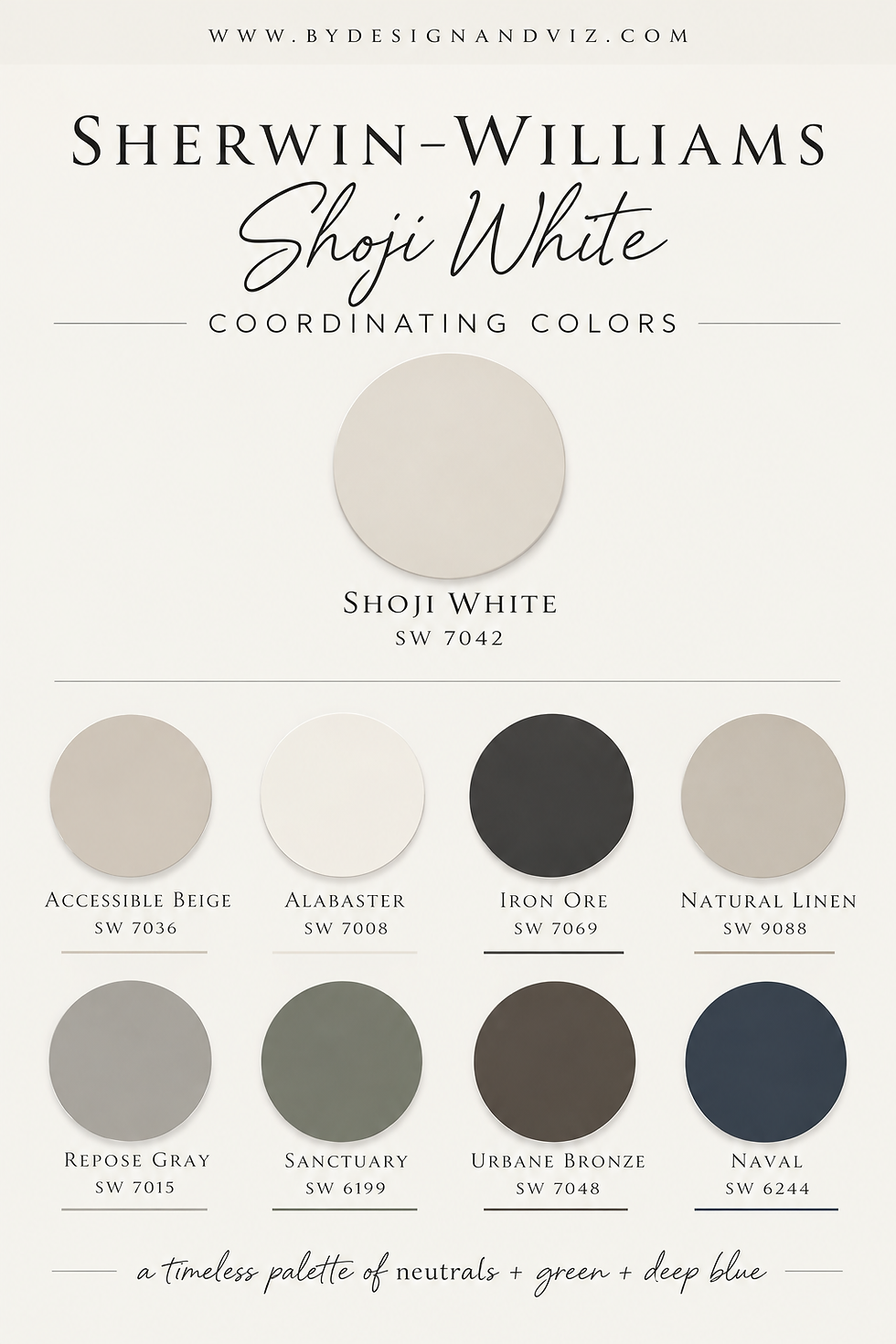
What colours pair best with Iron Ore Sherwin Williams?It works well with crisp whites, off-whites, mid-tone greys, natural stone, lighter timbers, and black metal accents.
Is Iron Ore too dark for north-facing homes?Not necessarily. On shaded façades, it reads rich and layered, but sampling is essential to ensure it aligns with surrounding materials and lighting.
If Iron Ore Sherwin Williams has sparked ideas for your own exterior refresh, we’d love to help you bring that vision to life. We create exterior designs tailored to your architecture, lifestyle, and long-term plans — and we make every step feel manageable, clear, and exciting. Let’s begin shaping a home that finally reflects the way you want to live.
Author Bio
Beril Yilmaz leads BY Design And Viz with a focus on clear, thoughtful design that blends technical expertise with a strong eye for form, proportion, and finish. Her work spans interiors, exteriors, and full-home transformations, always rooted in practical solutions and a love for materials that age well.



Comments