


Living Rooms with Brown Sofas: Ideas That Actually Work

Brown is the most common sofa color in homes across the world — and one of the most consistently understyled. The sofa itself is rarely the problem. The wall color chosen alongside it, the accent pieces layered around it, and the way the room is laid out are what determine whether a brown sofa looks intentional or inherited.
This guide covers every version of the brown sofa living room — from dark chocolate leather to warm caramel velvet — with the wall colors, layouts, accent choices, and styling approaches that make each one work. All of it drawn from real rooms rather than staged photography.
What Makes a Brown Sofa Living Room Work?
The single most important principle in a brown sofa living room is warmth consistency — every element in the room needs to share the same warmth direction as the sofa. A warm brown sofa alongside cool grey walls and cool metal accents creates a visual conflict that makes the room feel unresolved. The same sofa alongside warm neutral walls, warm wood, and warm brass reads as cohesive and considered.
Brown sofas have a reputation for being difficult to style — and that reputation comes almost entirely from rooms where the warmth principle has been ignored. Brown is one of the most versatile sofa colors available when everything around it shares its warmth. The full breakdown of which colors work alongside brown sofas is covered in the what colours go with a brown sofa guide.
Living Rooms with Brown Sofas by Wall Color
Brown Sofa with White or Cream Walls

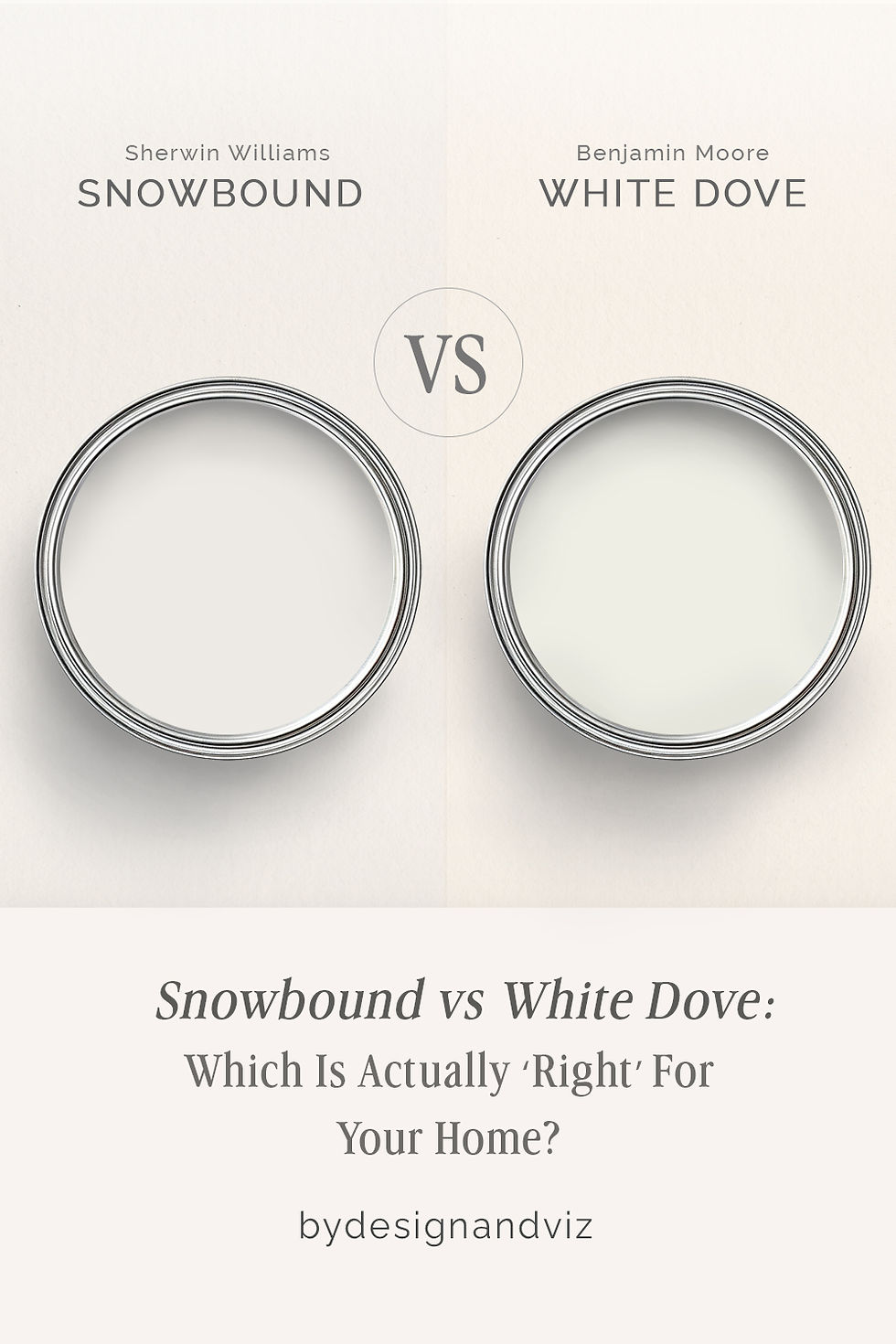
Warm white or cream walls are the most universally flattering backdrop for a brown sofa — they provide enough lightness to prevent the room feeling heavy, enough warmth to complement the sofa, and enough neutrality to let the brown read as the primary color in the room. Alabaster SW 7008, White Dove OC-17, and warm cream tones all work well.
The key with white walls and a brown sofa is to ensure the white has a warm undertone rather than a cool one — a cool or blue-white wall makes a brown sofa look orange by contrast, which is the most common styling mistake in this combination. Test the wall color sample alongside the sofa before committing.
In a living room with warm white walls, the brown sofa reads as the anchor of the room — layer warm wood, warm textiles, and warm brass or bronze accents around it to build the scheme outward from the sofa. Plants in terracotta pots, warm linen cushions, and a natural jute or wool rug complete the look without competing with the brown.
Brown Sofa with Greige or Taupe Walls
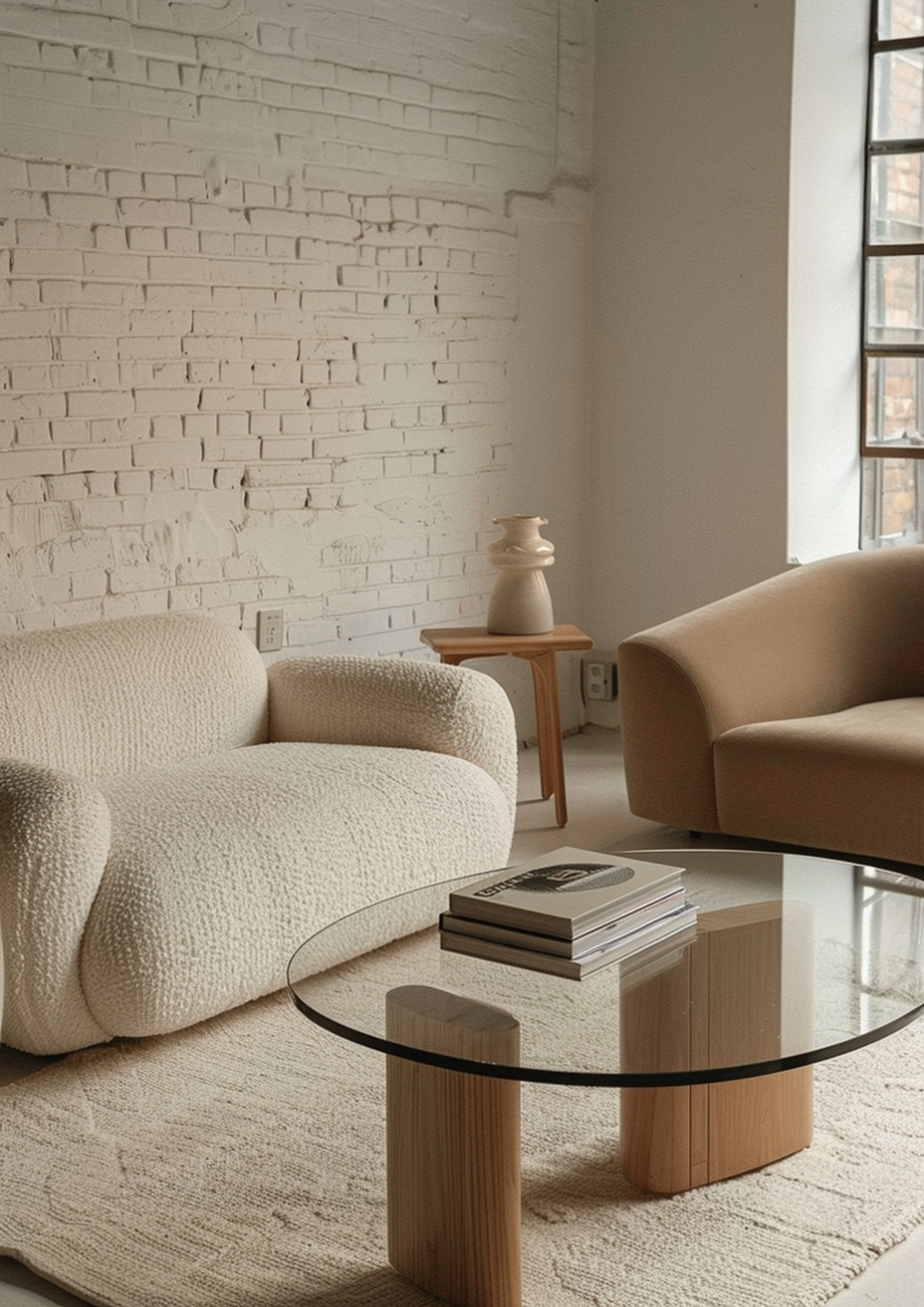
Warm greige — a blend of grey and beige with a warm undertone — is the most cohesive wall color for a brown sofa living room because it shares the warmth and earthiness of the brown without matching it directly. The result reads as a layered tonal scheme rather than a simple contrast, which gives the room depth and sophistication.
Agreeable Gray SW 7029, Accessible Beige SW 7036, Pale Oak OC-20, and Edgecomb Gray HC-173 are the most reliable greige wall colors alongside a brown sofa. The undertone of the greige must lean warm — any greige with a cool or purple undertone will fight the warmth of the brown and reduce the cohesion of the scheme.
In open-plan living spaces where the wall color needs to work across multiple zones, greige is the safest choice alongside a brown sofa — it reads as a calm, unified backdrop that allows the sofa and furniture arrangement to define the space.
Brown Sofa with Green Walls

Green walls alongside a brown sofa create one of the most naturally grounded and organic living room combinations available — brown and green are the foundational colors of the natural world, and their relationship in a room reads as instinctively right in a way that more contrived color combinations cannot match.
The green needs to share the warmth direction of the brown — warm sage, olive, and soft forest greens work naturally alongside brown sofas. Cool blue-greens and teal push the scheme in a different direction and require more careful management of the other elements in the room. Sage green in particular — a muted, earthy green with warm undertones — is the most universally flattering green wall color alongside a brown sofa.
Warm wood floors, natural woven textiles, terracotta ceramics, and warm brass accents complete the organic scheme. This combination suits organic modern, earthy, and transitional interior styles more than it suits contemporary or minimalist rooms.
Brown Sofa with Navy or Dark Blue Walls

A deep navy or dark blue feature wall behind a brown sofa creates one of the most striking and sophisticated living room combinations — the cool depth of the navy contrasts directly with the warm depth of the brown, and the result reads as genuinely designed rather than safe. The contrast works because both colors share a seriousness and depth that lighter colors cannot match.
Keep the remaining walls in a warm white or warm cream to prevent the room feeling too dark — the navy should be a feature wall rather than an all-over color when combined with a brown sofa. Warm brass accents, warm wood, and warm textiles hold the scheme together by bridging the cool navy and the warm brown.
Brown Sofa with Warm Grey Walls

Warm grey walls — Repose Gray SW 7015, Dorian Gray SW 7017, or Revere Pewter HC-172 — work alongside brown sofas when the grey leans warm rather than cool. The shared greige character of warm grey and warm brown creates a sophisticated tonal scheme with more depth than white walls but more subtlety than a colored wall.
The risk with grey walls and a brown sofa is choosing a grey that leans too cool — a cool grey makes a warm brown sofa look orange or red by contrast, which is an unflattering combination. Always test grey wall colors alongside the sofa in the actual room light before committing.
Living Rooms with Brown Sofas by Sofa Type
Dark Brown Leather Sofa Living Room

Dark brown leather sofas are the most formal and the most challenging to style — the combination of dark color and hard material means the sofa has significant visual weight that needs to be balanced carefully by the room around it. Warm white or warm cream walls are essential — they provide the lightness that prevents the room feeling heavy.
Warm wood floors and warm wood furniture are the most important companions for a dark brown leather sofa — the shared material warmth of leather and wood creates a natural cohesion that prevents the sofa from reading as an isolated dark element. Pale oak, walnut, and warm cherry all work well. For a full guide to dark brown couch living room ideas — including specific color schemes, accent choices, and layout approaches — the dark brown couch living room ideas guide covers every combination in detail.
For specifically brown leather sofa styling — the particular challenges of the material and the combinations that work best — the brown leather sofa guide covers that territory specifically.
Caramel and Tan Brown Sofa Living Room

Caramel and tan brown sofas are the most versatile brown — light enough to work in rooms without abundant natural light, warm enough to anchor a neutral scheme. The lighter tone of caramel means the sofa reflects more light than dark chocolate, which makes the room feel less heavy and allows a wider range of wall colors to work alongside it.
White, cream, greige, sage green, and even warm terracotta walls all work well alongside a caramel sofa. The key accent color for caramel is warm cream or off-white in cushions and throws — it echoes the warmth of the sofa without matching it and creates a layered tonal scheme that reads as considered.
Chocolate Brown Velvet Sofa Living Room

Chocolate brown velvet sofas are having a significant moment in contemporary residential design — the combination of deep color and rich texture gives them a jewel-like quality that leather and plain fabric cannot match. The velvet pile catches light differently at different angles, which means the sofa reads as a different shade of brown depending on the light direction — a quality that makes the room feel alive and dynamic.
Warm white walls let the velvet's texture and depth read clearly. Warm brass and aged gold accents complement the richness of the velvet in a way that more utilitarian metals cannot. Layer warm cream, terracotta, and olive green cushions and throws to build a scheme that feels rich without feeling heavy.
Brown Sofa with Warm Wood Tones

A brown sofa in a room with warm wood floors and warm wood furniture creates one of the most naturally cohesive living room schemes available — the layered tonal relationship between the brown of the sofa, the warm mid-brown of the floor, and the warm undertones of the wood furniture reads as intentional and grounded without requiring a strong accent color to hold it together.
In this scheme the wall color needs to be light enough to provide contrast — warm white or very pale greige prevents the room from reading as an unbroken field of brown tones. Introduce warm green in plants and ceramics and warm cream in textiles to complete the organic scheme.
Cushion and Throw Colors for Brown Sofas
Cushions and throws are where most of the styling work happens in a brown sofa living room — they are the easiest element to change and the one with the most immediate impact on how the room feels. The principle is the same as for every other element in the scheme: keep the warmth consistent.
Warm Cream and Off-White

Warm cream cushions are the most universally flattering choice on a brown sofa — the light tone against the dark sofa creates definition, and the warmth of the cream complements the brown without fighting it. Layer two or three cream cushions with one or two deeper toned ones in terracotta or olive to prevent the sofa looking underdressed.
Terracotta and Rust

Terracotta cushions on a brown sofa bring warmth, energy, and an earthy quality that feels completely natural alongside the brown. The warm orange-red of terracotta and the warm brown of the sofa share the same undertone family, which is why they read as instinctively right together. Use terracotta as the accent rather than the dominant cushion color — two terracotta cushions alongside three cream ones is more effective than five terracotta cushions.
Olive and Warm Green

Olive green cushions introduce the natural quality that makes brown sofa rooms feel organic and considered — the earthy green relates to the brown through shared natural undertones and adds visual interest without introducing a competing color. Warm sage, olive, and muted forest green all work well.
Warm Gold and Mustard
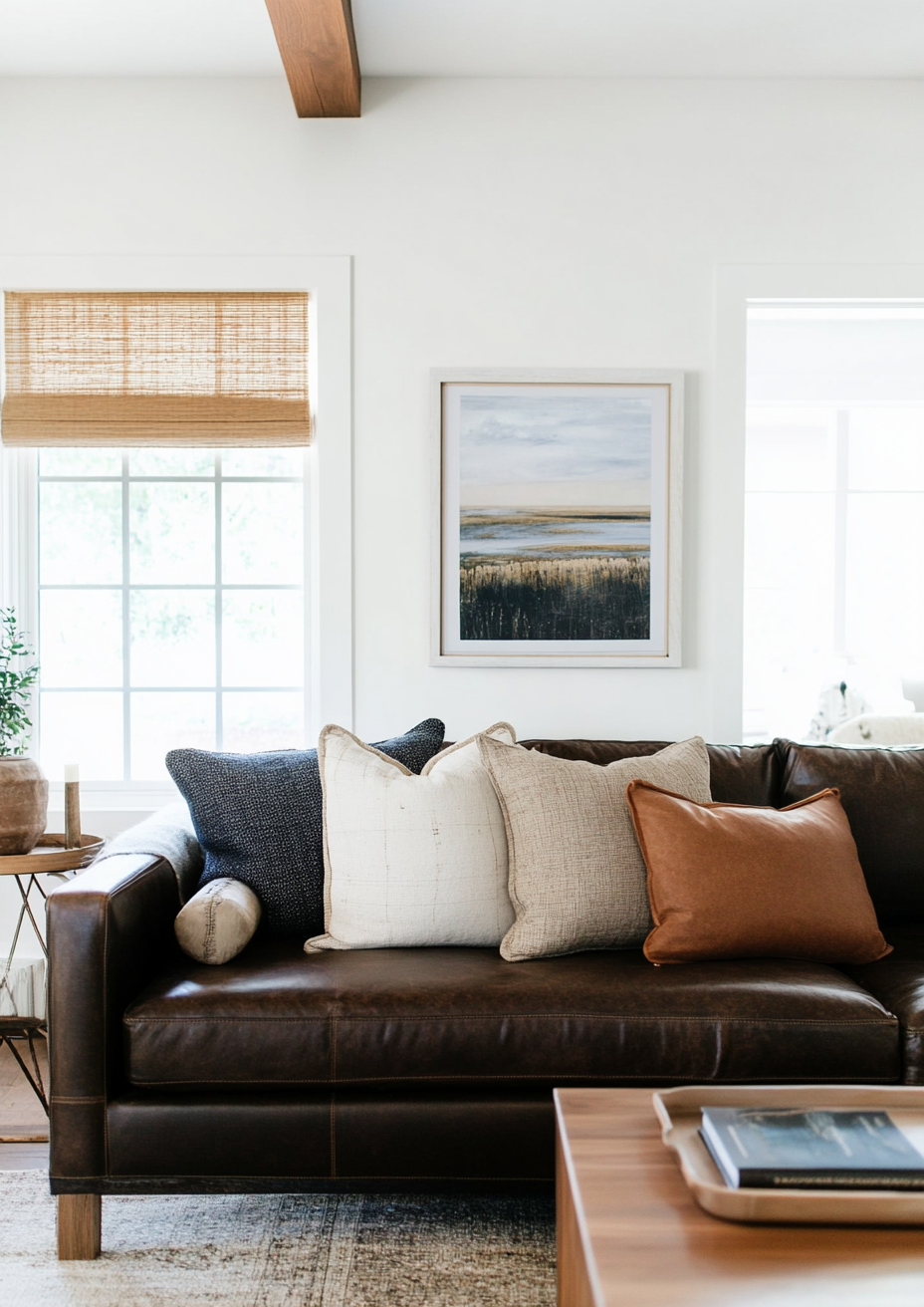
Warm gold and mustard yellow cushions pick up the warm undertone of brown sofas and amplify it — they read as the sofa's own warmth expressed as a highlight color. The combination of brown and warm gold is one of the oldest and most enduring color pairings in interior design, and it works as naturally on a sofa as it does in a painting.
Rug Ideas for Living Rooms with Brown Sofas
The rug is the element that anchors the brown sofa in the room and determines whether the furniture arrangement reads as a considered seating zone or a collection of individual pieces. The rug should be large enough that at least the front legs of the sofa sit on it — a rug that is too small floats underneath the coffee table and disconnects the sofa from the rest of the arrangement.
Natural Fiber Rugs

Jute, sisal, and seagrass rugs are the most natural companions for brown sofas — the shared organic material quality of natural fiber and warm brown creates a grounded, earthy scheme that reads as deliberately considered. Natural fiber rugs also work across every version of the brown sofa scheme, from caramel to dark chocolate, which makes them the safest choice when changing other elements in the room.
Warm Patterned Rugs
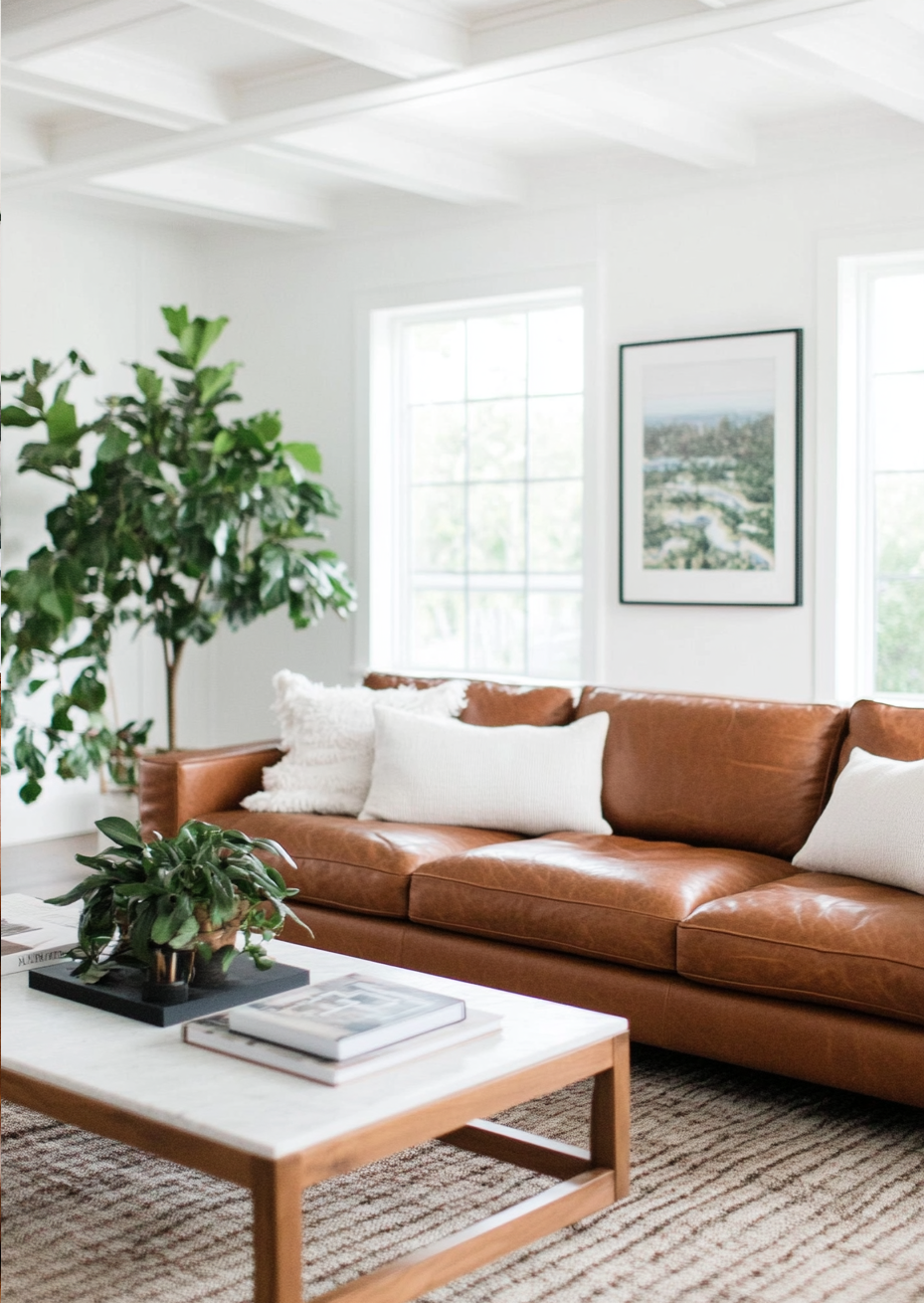
A warm patterned rug — Persian, Moroccan, or geometric in warm earth tones — introduces pattern and visual complexity to a brown sofa living room without competing with the sofa. The most successful patterned rugs in this scheme include the same warm brown tones as the sofa alongside cream, terracotta, and warm gold, creating a cohesive relationship between the rug and the furniture above it.
Deep Charcoal or Dark Rug

A deep charcoal or very dark rug grounds a brown sofa in a lighter room — the contrast between the dark rug and the lighter walls and ceiling creates a sense of the furniture zone being defined and contained. This approach works particularly well in rooms with pale wood floors where the sofa and furniture would otherwise float on the light surface.
Layout Ideas for Living Rooms with Brown Sofas
The layout of a brown sofa living room is as important as the color scheme — a well-styled brown sofa in a poorly planned layout still reads as unresolved. The principles that make any living room layout work apply equally here, but a few are particularly relevant to brown sofa rooms.
Facing the Sofa Towards the Focal Point

The brown sofa should always face the primary focal point of the room — fireplace, window, or media wall — with the seating arrangement completing a conversation zone around it. A brown sofa pushed against the wall facing nothing in particular reads as furniture in storage rather than a considered seating zone.
Balancing the Sofa's Visual Weight

Brown sofas have significant visual weight — especially dark chocolate and leather versions — and the room needs to be balanced around that weight. A large brown sofa on one side of the room needs a visual counterweight on the other — a substantial piece of furniture, a feature wall, or a large plant in a prominent position. Without this counterweight the room reads as lopsided.
The Coffee Table Relationship

The coffee table in front of a brown sofa should relate to the sofa's tone rather than contrast with it sharply — warm wood, warm stone, or rattan all work naturally. A glass coffee table on a pale metal frame reads as disconnected from a warm brown sofa. A dark walnut or warm oak coffee table sits within the same warmth family and reads as part of the same scheme.
Want help styling your brown sofa living room? Book a design consultation here — bydesignandviz.com/book-online |
Brown Sofa Color Palette Ideas

For a full breakdown of the color palettes that work best across all brown sofa tones — including specific paint color recommendations for walls, trim, and accents — the brown sofa colour palette guide covers every combination in a single reference.
For the specific combination of black and brown — one of the most striking living room schemes — the black and brown living room guide covers that territory in detail.
Frequently Asked Questions
What color walls go with a brown sofa?
Warm white, warm cream, warm greige, and sage green are the most flattering wall colors alongside a brown sofa — they share the warmth of the brown without competing with it. Avoid cool whites, cool greys, and blue-toned walls — they make warm brown sofas look orange by contrast. Alabaster SW 7008, White Dove OC-17, Agreeable Gray SW 7029, and Pale Oak OC-20 are the most reliable choices.
How do you style a brown sofa in a living room?
Keep the warmth consistent across every element — walls, flooring, accents, and textiles all need to share the warmth direction of the sofa. Layer warm cream and terracotta cushions, add warm wood in the coffee table and side tables, use a natural fiber or warm patterned rug, and introduce warm brass or bronze in the lighting and accessories. Avoid cool metals, cool greys, and cool blues anywhere in the scheme.
Are brown sofas out of style?
No — brown sofas are enduringly popular precisely because warm earth tones never go out of style. The organic, natural quality of brown relates to wood, leather, stone, and earth — materials and tones that have been used in interior design for centuries. The brown sofas that look dated are the ones styled with cool accents and cool wall colors from the grey-and-white trend of the 2010s. Styled with warm neutrals and organic materials, a brown sofa looks completely contemporary.
What color cushions go with a brown sofa?
Warm cream, terracotta, olive green, and warm gold are the most flattering cushion colors for a brown sofa — they share the sofa's warm undertone and build the scheme outward from the brown rather than fighting it. Layer different textures — linen, velvet, woven — in the same warm color family for a result that reads as considered rather than matched.
What size rug for a living room with a brown sofa?
The rug should be large enough that at least the front two legs of the sofa sit on it — in most living rooms this means a minimum of 200x300cm. A rug that is too small floats under the coffee table and disconnects the furniture arrangement from the floor. When in doubt, go larger — a rug that is too big reads as more generous and considered than one that is too small.
Final Thought
The brown sofa is one of the most rewarding pieces of furniture to build a living room around — its warmth, its natural quality, and its relationship to wood and organic materials give it a versatility that cooler sofa colors cannot match. The rooms that make it look effortless are the ones that have understood the warmth principle and applied it consistently to every element in the space.
Start with the wall color — get that right and the rest of the decisions become significantly easier. A warm white or warm greige wall alongside a brown sofa is a foundation that almost any combination of accents, rugs, and furniture can build on successfully.
Need help building a complete scheme around your brown sofa? See our design packages here — bydesignandviz.com/packages |
About the Author
Beril Yilmaz is a qualified architect and interior designer based in the UK. She runs BY Design And Viz, a design platform covering paint color reviews, interior design guidance, and residential design projects. Beril has designed living room schemes with brown sofas across a wide range of residential projects in the UK.


Comments