


Designing for Height: How Lowering a Basement Changes the Interior

Interior designers know that ceiling height shapes everything in a room: the furniture you can use, how light behaves, even how relaxed people feel in the space. In basements, height is usually the first thing missing. In older North American homes, ceilings of six and a half feet are common, which limits a basement to storage and laundry. Projects focused on basement lowering Toronto homeowners commission are changing that, turning low cellars into rooms that can be designed with the same ambition as the rest of the house.
Here is how added height changes the design possibilities, and how to make the most of it.
What Lowering A Basement Involves
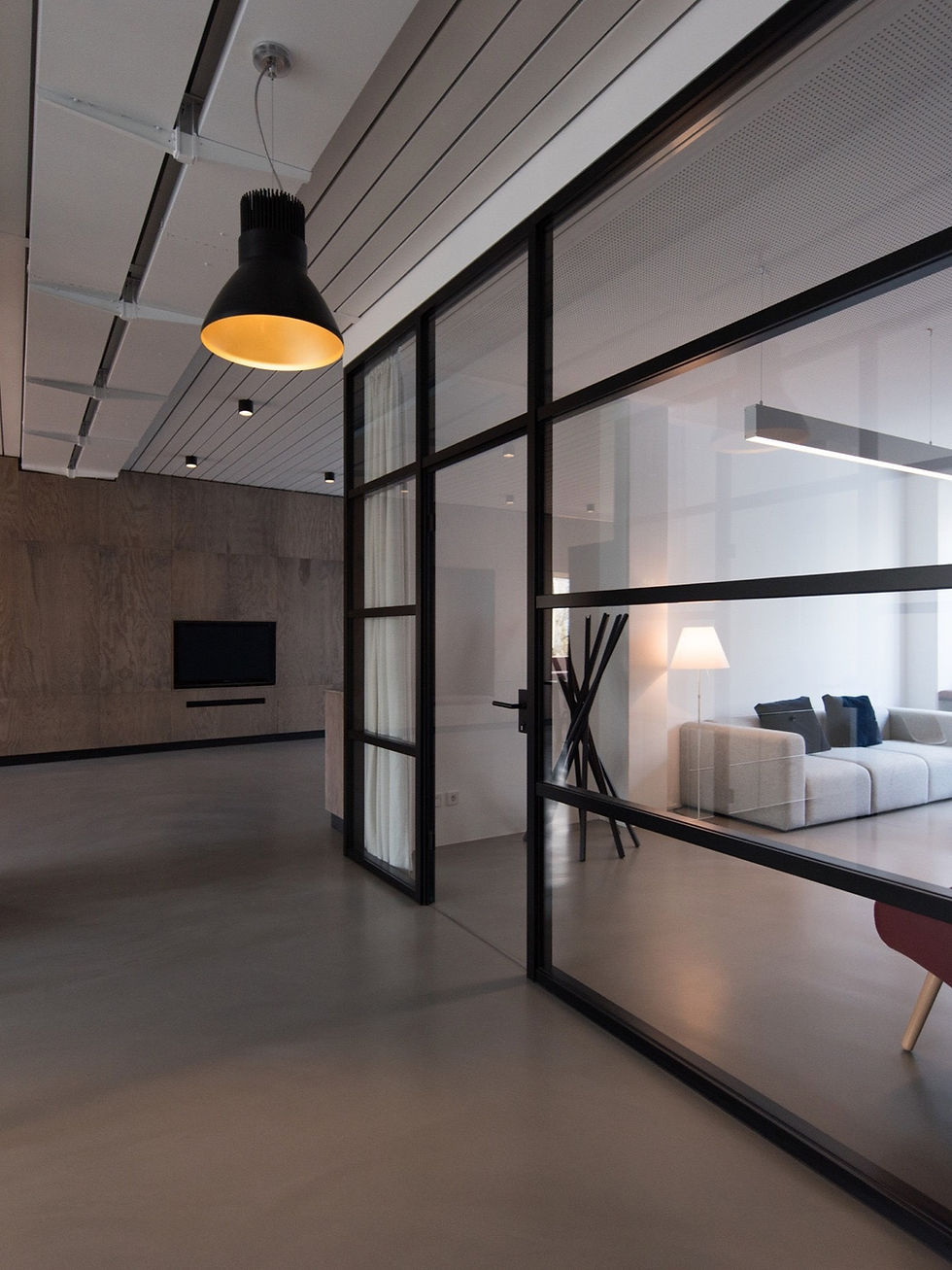
Lowering a basement means digging the floor down and extending or reinforcing the foundation so the walls remain supported. It is structural work carried out with engineering drawings and permits, and it is usually done before any interior design decisions are finalized. From a designer's point of view, though, the outcome is simple: a blank, taller volume to work with.
Even an extra 12 to 18 inches transforms a room. It allows proper recessed lighting, taller doors, full-height cabinetry and furniture that would never fit under a low ceiling.
Start With Light
Height and light work together. With more vertical space, you can:
Enlarge windows or add egress windows with wide, landscaped wells.
Add a walkout with glass doors if the lot slopes, bringing daylight deep into the floor plan.
Use cove or indirect lighting along the ceiling perimeter to make the room feel even taller.
Layer lighting: ambient, task and accent, with warm colour temperatures around 2700K to 3000K.
Ceilings Become A Design Feature
In a low basement, the ceiling is something to hide. In a lowered one, it can become part of the design:
Exposed joists painted the same colour as the walls give a loft feel.
Wood slat ceilings add warmth and help with acoustics.
Coffered or tray details can define a lounge or dining zone.
A single, clean bulkhead can hide ducts without breaking up the room.
Materials That Suit Below-Grade Spaces

A lowered basement still sits partly below ground, so materials should handle cooler temperatures and occasional humidity:
Floors: porcelain tile, luxury vinyl plank, engineered wood rated for below grade, or polished concrete with radiant heat.
Walls: mould-resistant drywall, limewash paint for texture, or a feature wall in brick veneer or natural stone.
Millwork: painted or laminated finishes hold up better than raw solid wood in variable humidity.
Plan Zones, Not Just Rooms
Open basements work best when they are organized into clear zones:
A lounge with a low sofa, a large rug and a media wall
A work or studio area near the best natural light
A guest suite with its own bathroom, tucked away from the main space
A kitchenette or bar grouped with the plumbing for the bathroom and laundry
Area rugs, changes in ceiling treatment and open shelving can define these zones without closing off light.
Furniture And Proportion
Extra height lets you choose furniture for comfort rather than to avoid bumping your head. Still, proportion matters:
Keep large pieces low and wide to emphasize the room's length.
Use tall elements, such as bookcases or a floor-to-ceiling plant, to show off the new height.
Mirrors opposite windows help bounce light around.
Comfort Is Part Of The Design
A beautiful basement that feels cold or damp will not be used. Plan for:
Radiant floor heating for a warm surface underfoot
Proper insulation in walls and under the new slab
A dehumidifier or HVAC return to manage moisture
Acoustic insulation in the ceiling for privacy from the floor above
The Takeaway
Lowering a basement is a structural project, but its real value shows up in the design. With more height, a lower level can host the same quality of interiors as the main floor: considered lighting, rich materials, purposeful zones and furniture chosen for comfort. For homeowners and designers alike, it turns the basement from an afterthought into one of the most interesting rooms in the house.


Comments