


6 Must-Do Things Around Your House Before Winter Sets In

There's something about that first crisp morning that makes you want to pull out the cozy throws and light a candle. Before you settle in for the season, though, take an afternoon to walk around the outside of your home. Checking several areas now will save you a lot of stress later: your gutters, roof and chimney, walkways and steps, window and door seals, the trees and shrubs near the house, and your exterior vents.
Cold weather has a way of turning small problems into big ones. A loose shingle becomes a leak, a hairline crack becomes a broken step, and a forgotten hose becomes a burst pipe. Most of these checks take minutes, and catching issues early keeps your home looking as good as it feels inside.
Give Your Gutters a Good Clean-Out
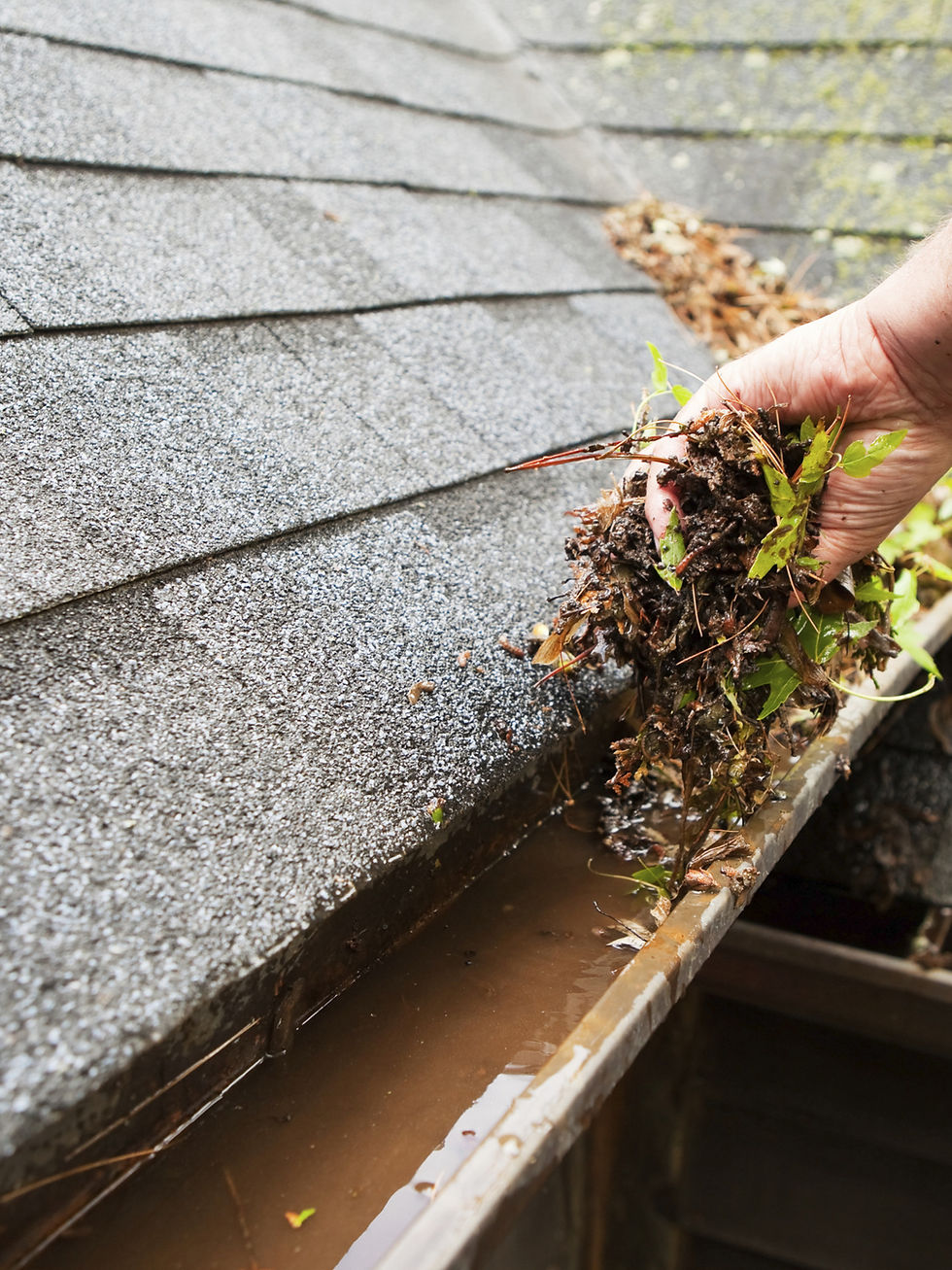
Gutters are easy to forget until water starts pouring over the edge during a storm. Once the leaves have mostly dropped, scoop out the debris and run a hose through each downspout to make sure water flows freely. Clogs trap water, and in colder months that water can freeze along your roofline or soak the ground right next to your foundation.
Once you're back on the ground, look at where each downspout empties. If it drains right at the base of the wall, it's sending every rainfall straight to your foundation. Adding an extension that carries water 4 to 6 feet away from the foundation can help prevent water damage. If your soil is heavy clay, aim for 8 to 10 feet.
Direction matters just as much as distance. Avoid pointing downspouts onto hard surfaces like driveways and sidewalks. Water spilling across a path can freeze into a slippery sheet overnight. If plastic extensions clash with your garden, a buried drain line or a small rain garden can do the same job and look far prettier.
Take a Look at the Roof and Chimney
No need to climb up there. Stand back with a pair of binoculars and scan for missing or curled shingles, lifted flashing around vents and skylights, and leaves piled in the valleys. Any gap lets water in, and once it freezes and expands, a small opening gets bigger fast.
If you have a fireplace, give the chimney some attention too. From outside, watch for crumbling mortar, flaking brick, or a missing cap. Inside is where the real risk lives. Fire-safety groups recommend having chimneys and heating systems inspected by a qualified professional every year. Book that visit early, before everyone else remembers they need one too.
Walk Your Paths, Steps, and Front Walk

Your walkway is the first thing guests see and the last thing you think about until someone trips on it. This is the check that pays off most when the weather turns, because concrete and stone take a real beating in cold months.
Concrete looks solid, but it's actually porous. Water seeps into tiny cracks, freezes, expands, and slowly breaks the surface apart. De-icing salt can speed things up, since salts draw extra moisture into concrete and add pressure with every freeze and thaw.
As you walk, keep an eye out for cracks wide enough to hold water, slabs that have lifted or sunk and left a trip edge, flaking or pitted surfaces, wobbly railings, and path lights that have burned out (you'll want those working as the evenings get darker). Uneven sections are especially worth fixing now. Shovels catch on raised edges, and meltwater pools in low spots before freezing into ice.
If you spot slabs that have shifted or broken, it's worth getting a professional opinion while the weather still allows for proper repairs. A team that specializes in sidewalk and concrete repair can tell you whether a section needs a targeted repair or a full replacement, and whether local rules apply to the public sidewalk in front of your home. Timing matters here, because fresh concrete needs time to cure and gain strength before its first hard freeze, and most pours need temperatures above about 40°F.
If you had new concrete poured this year, go easy on it this winter. Avoid using de-icers on concrete less than a year old, and stay away from products containing ammonium sulfate or ammonium nitrate, which can damage the surface. A sprinkle of sand gives you extra grip without the risk of chemical damage.
Seal the Drafts Around Windows and Doors
Ever had a room that never feels warm no matter how high you turn the heat? Drafty windows and doors are usually the culprit. Walk around outside and look for caulk that's cracked, shrunk, or pulling away from the trim. Then check your doors from the inside. If you can see daylight around the edges, it's time for new weatherstripping or a door sweep.
Each fix has its own job. Caulk is for gaps between parts of the house that stay put, like window frames, while weatherstripping is for parts that move, like doors and opening windows. Both are inexpensive and quickly pay for themselves in lower heating bills.
Here's a bonus most people don't think about: fresh caulk lines make painted trim look sharp and finished again. Pick a paintable product or one that matches your trim, and check the label for its minimum application temperature, since many won't cure well once nights get chilly.
Trim Back Trees and Shrubs
Look up before you head inside. Branches hanging over the roof, driveway, or walkways might look harmless now, but ice and snow add a surprising amount of weight. Overhanging branches can endanger both people and the house during icy winter storms.
Down at ground level, cut shrubs back so they don't brush against your siding. Plants pressed up against the house hold moisture against the walls and give pests an easy way in. And while you're near the trees, check for roots that have started lifting nearby paths. They won't stop pushing on their own, so add any raised spots to your walkway notes.
Clear Exterior Vents and Test Your Alarms
Your furnace, boiler, water heater, and dryer all vent outside, and over the summer those openings can collect leaves, lint, and even the occasional bird's nest. Find each one, clear it out, and remember where they are so you can keep them free of snow later.
This one isn't just about efficiency. Fuel-burning heating systems can produce carbon monoxide, a gas you can't see or smell. Have your fuel-burning equipment professionally inspected once a year, test your smoke and carbon monoxide alarms monthly, and change the batteries at least once a year or switch to alarms with sealed 10-year batteries. Clearing your outdoor vents is the perfect reminder to press the test button on every alarm inside.
A Little Effort Now, a Cozier Season Later
The easiest way to tackle all of the above? Start at the top and work your way down: roof and chimney, gutters, windows and doors, then vents, plants, and finally the paths beneath your feet. Most of it fits into a single afternoon. For the bigger jobs, scheduling help now means you're not scrambling once the cold sets in. And once your home is ready for the season, you can start dreaming about spring projects. A little preparation now can save you from costly repairs and make the colder months much more comfortable.


Comments