


The DNA Of A Neighborhood: Atmosphere And Amenities
- Beril Yilmaz

- 3 hours ago
- 4 min read
When people describe a “good neighborhood,” they find it difficult to articulate why it has that feel. The explanation often involves a combination of atmosphere and amenities that quietly set daily life apart, even in such an unassuming place.
How comfortable we are, how safe we feel and the long-term property value of a home all can be affected by noise levels, street design, access to services and the way neighbors interact. Those thinking of a move or remodel visit the LBC Mortgage website to discover financing with a strategy that’s unique to your neighborhood goals.
In the United States, approximately 20–30% of a home’s price differential in the same city can be attributed to neighborhood amenities, according to urban economics research. Knowing this “DNA” enables homeowners, renters and planners to make smarter decisions before they add on, move or invest.
Social Fabric and Everyday Atmosphere

The character of a neighborhood is largely shaped by how people use common spaces. In the United States, in communities with active sidewalks and front-facing homes, we have seen as much as a 15 percent lower turnover rates and greater resident satisfaction according to the National Association of Realtors. Simple behaviors matter. Dog walkers, neighbors saying “hi” to neighbors and people sitting on stoops all send signals about safety, community, and inclusion. They prompt how newcomers perceive an area in minutes, long before they consider schools or housing stock.
Each neighborhood has a built-in rhythm to it based on traffic flow, business hours and populations. Source There is a strong difference between noise levels in mixed-use localities of the U.S., where average daytime noise levels amount to 65–70 decibels, versus noise level readings of 50–55 decibels in suburban zones.
And that difference has implications on the quality of sleep, stress levels and even renovation decisions (window insulation or balcony design, anyone?). Places with predictable cycles of activity generally feel more settled, even during the heaviest usage, because people adjust to rhythms rather than irregularities.
Atmosphere is also tied to perceived safety, not only crime statistics. According to F.B.I. data, neighborhoods with noticeable maintenance, lighting and pedestrian traffic tend to feel safer even when crime rates do not differ much. Trust flourishes when people know one another. For those who own homes, this affects what they do on the exterior of their houses, what types of fencing they use, and how willing they are to invest in such shared improvements. A stable social fabric means less isolation and smoother daily routines, be they parking or package delivery.
Built Environment and Visual Identity
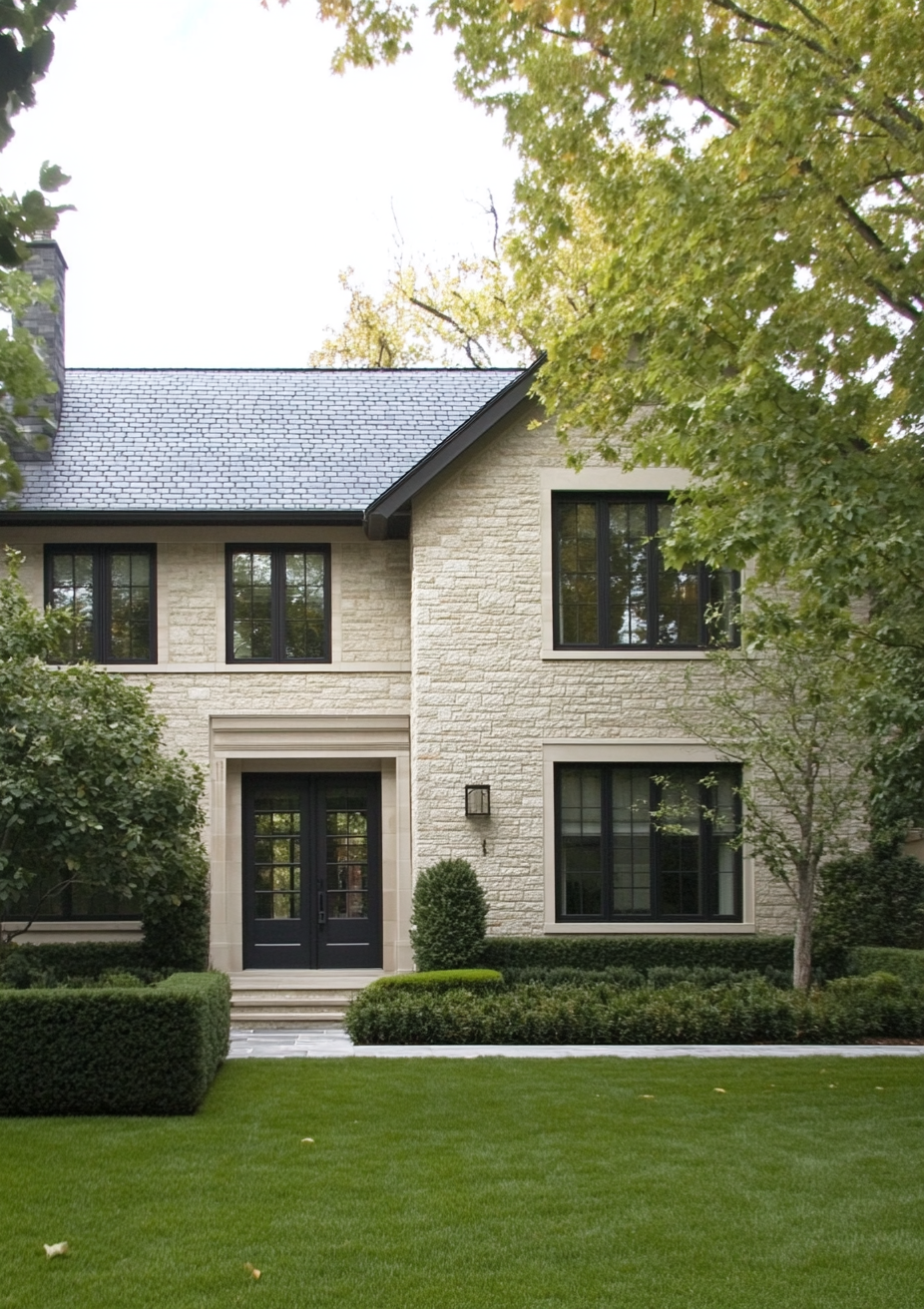
Expectation is set by the physical character of a neighborhood. Mid-rise buildings — generally four to six stories tall — are commonly said to be more “human-scaled” than clusters of high-rises or low-density spread-out subdivisions in the United States. This balance promotes walking and casual conversation. There is also an architectural aspect. Homes in neighborhoods with consistent materials and rooflines, on the other hand, generally hold value better, as studies have shown that they can be 12% more stable during market downturns.
The street level reinforces the visual identity. Sidewalk width, tree cover and façade maintenance impact how inviting a place feels. Mature trees on streets do such things as raise property values in the vicinity by 7-10 percent, and lower ambient July temperatures by several degrees. Public space that is well-maintained communicates care and predictability, which directly correlates with confidence over a renovation for private homeowners.
The built environment offers both constraints and possibilities for anyone contemplating repairs or improvements. Historic districts frequently have more restrictive design guidelines, adding 5–20% to the cost of renovation while maintaining a longer-term aesthetic. In newer areas, flexibility is greater, but poorly coordinated changes can undermine visual coherence. By understanding local patterns, owners can select materials, colors and layouts that complement the neighborhood’s DNA rather than clash with it.
Access to Amenities and Daily Services

Amenities influence how much time residents are in their homes and in transit. In U.S. communities with grocery stores, pharmacies, and services within a half-mile radius, households say they save 30–40 minutes every day on shopping trips. This convenience plays into your interior planning, as smaller kitchens or less storage becomes more welcome when daily needs are so near at hand.
The perception of an area is greatly determined by the access it has to schools, clinics and parks. Houses near high-performing public schools can fetch price premiums of 10–15% according to Zillow data. Parks and recreation areas are no less important. The benefits, according to the Trust for Public Land, include greater physical activity and increased neighborhood attachment among Americans who live within a 10-minute walk of a park.
Amenities also affect how human beings invest in the places they call home. In amenity-rich neighborhoods, homeowners are more likely to concentrate on comfort upgrades such as soundproofing or energy efficiency than adding space. Renovations in service-poor areas might even make up for distance, adding more storage or a home office. Realizing this relationship is key to having a renovation budget that's driven by reality and not speculative viewing habits.
Mobility, Connectivity, and Public Infrastructure

Mobility is a measure of how tied together a neighborhood feels. In American cities with good public transit, households can spend as little as 8% of their income on transportation; in areas where car ownership is higher, the burden is about 15%. Neighborhoods that are walkable and transit-accessible also demonstrate greater resiliency in fuel price spikes, this much was evident during the recent cycles of inflation.
Infrastructure quality shapes everyday movement. Narrow crossings, or bad lighting, torn-up or cracked sidewalks discourage walking even over short distances. According to the Federal Highway Administration, street redesigns that are pedestrian-friendly can cut accidents by up to 40%. What that means for residents, in turn, is more outdoor space coming into play and a greater emphasis on balconies, porches and street-facing rooms.
Behind the scenes, infrastructure matters just as much. Aging water, power and broadband systems impact renovation planning and resale value. Communities with new utilities and high-speed internet are becoming more popular, notably since remote work has stayed prevalent. Connected neighborhoods are flexible and can adapt better to changing ways of working and living. Key neighborhood factors include:
Reliable public transit, walkable streets, safe pedestrian crossings, and bike lanes that reduce costs, encourage outdoor activity, and improve resident mobility overall.
Quality sidewalks, good lighting and pedestrian-friendly street scape design that make us feel safe, encourage walking — and increase demand for balconies, porches and street-facing rooms.
Modern water, electricity and broadband infrastructure which will help support home renovation, telecommuting and stable property values and make neighborhoods more resilient to changing needs.


