


Off White Color: The Architect's Guide to Undertones, Types and Uses

Off white is one of the most searched color terms in interior design -- and one of the most misunderstood. People search for 'off white' expecting to find a single color and instead discover that off white is an entire family of near-whites with significantly different undertones, different light behaviors, and different best applications. Choosing the wrong off white for your room is one of the most common and costly paint mistakes in residential interior design.
This guide explains exactly what off white is, how to identify its different types, what the undertones mean in practice, and how to choose the right off white for your specific room and style.
What Is Off White?

Off white is any white paint or color that contains enough pigment to prevent it reading as a pure, stark white on a wall -- but not so much pigment that it crosses into cream, beige, or gray territory. It sits in the zone between pure white and the first clearly identifiable neutral colors, and it is defined by what it is not as much as what it is: not stark, not cold, not obviously cream, not obviously gray.
The defining characteristic of off white is the undertone -- the small amount of pigment within the white base that gives the color its character, warmth or coolness, and room behavior. Two off whites that look almost identical on a paint chip can behave completely differently on four walls under different light conditions, and that difference is entirely determined by their undertones.
Off white is not a single color in any paint system -- every major paint brand has dozens of off whites, each with different undertones and LRV values. The challenge of choosing an off white is not finding one that looks right on a chip -- almost all of them do. It is understanding how that specific undertone will behave in your specific room under your specific light conditions.
The Four Types of Off White
Type | Character | Best for | Examples |
Warm cream off-white | Yellow undertone, soft and buttery | Traditional, farmhouse, organic modern | SW Creamy, SW Alabaster, BM Swiss Coffee |
Warm greige off-white | Beige-gray, grounded and earthy | Transitional, contemporary, minimalist | SW Shoji White, BM Pale Oak |
Cool off-white | Gray undertone, crisp and composed | Modern, Scandi, architectural | F&B Strong White, BM Chantilly Lace |
Neutral off-white | Balanced, no strong temperature bias | Any style, most versatile | BM White Dove, SW Pure White |
Warm Cream Off White

Warm cream off whites have yellow undertones that read as soft, buttery, and inviting -- they are the most obviously 'warm' category and the most traditional. In south-facing rooms with warm natural light they glow beautifully. In north-facing rooms the yellow undertone can become more visible and occasionally tip toward a slightly lemony quality. They suit traditional, farmhouse, and organic modern interiors best and work most naturally alongside warm wood, brass, and natural linen. Sherwin Williams Creamy and Alabaster are the two most popular warm cream off whites in the SW range -- the Creamy vs Alabaster guide covers exactly how they differ.
Warm Greige Off White

Warm greige off whites have beige-gray undertones that read as grounded, earthy, and sophisticated -- they are warm but in a more muted, complex way than cream off whites. The gray in the undertone prevents them tipping toward yellow in cool light, which makes them more versatile across different room orientations than pure cream off whites. They suit transitional, contemporary, and minimalist interiors and work alongside the widest range of floor and material types. Shoji White SW 7042 is the most widely specified warm greige off white in the Sherwin Williams range.
Cool Off White

Cool off whites have gray or blue-gray undertones that read as crisp, composed, and architectural -- they are the least obviously 'white' of the off white categories and the most demanding of good natural light. In well-lit rooms they read as clean, sophisticated, and modern. In north-facing or poorly-lit rooms the gray undertone can make them feel flat or cold. They suit modern, Scandinavian, and architectural interiors and work naturally alongside cool-toned materials -- stone, marble, chrome, and polished concrete.
Neutral Off White

Neutral off whites have balanced undertones that prevent a strong temperature reading in either direction -- they are the most versatile category and the safest choice when you are unsure of a room's dominant light conditions or want an off white that works across multiple connected spaces. Benjamin Moore White Dove is the most widely specified neutral off white, appearing consistently on designer shortlists for its ability to adapt to varied conditions without demanding specific material or light requirements.
Off White Undertones -- Why They Matter

The undertone of an off white is the single most important factor in how it performs on a wall -- more important than the brand, the finish, or the exact LRV value. An off white with a yellow undertone will look warm and inviting in a south-facing room and slightly lemony in a north-facing room. The same yellow-undertone off white will look fresh alongside warm wood and clash with cool gray stone. Understanding the undertone before choosing is the difference between a room that looks intentional and one that looks slightly wrong in a way that is difficult to diagnose.
The three most common undertone problems in off white selection:
1. Choosing a warm cream off white for a north-facing room -- the yellow undertone becomes more visible in cool light and the off white reads as lemony or dated rather than warm and inviting.
2. Choosing a cool off white alongside warm materials -- warm wood floors, warm stone, and warm brass create an uncomfortable contrast with a cool gray off white that makes both the wall color and the materials look wrong.
3. Choosing an off white based on a small chip -- undertones that are subtle on a small chip become much more visible at full wall scale under real light conditions. Always sample with a large test patch before committing.
LRV and Off White

LRV -- Light Reflectance Value -- measures how much light a color reflects on a scale of 0 to 100. Most off whites sit between LRV 75 and LRV 90 -- bright enough to function as a white in most rooms but with enough pigment to create warmth and depth. The practical implication of LRV for off whites:
Higher LRV (85-90): reads as a brighter, more open white -- closer to a pure white in character. Best for rooms that need maximum light or smaller spaces. Examples: Greek Villa SW 7551 (LRV 84), Swiss Coffee OC-45 (LRV 82).
Mid LRV (75-84): reads as a true off white -- clearly not pure white but not obviously cream or gray. The most common range for off whites specified in residential interiors. Examples: Shoji White SW 7042 (LRV 74), Alabaster SW 7008 (LRV 82).
Lower LRV (65-74): reads as a deeper off white -- more body and depth, slightly more obviously cream or greige. Best for rooms that need warmth without a strong color commitment.
Need help choosing the right off white for your home? Book a color consultation here -- bydesignandviz.com/book-online |
The Best Off White Colors by Category
Best Warm Cream Off Whites
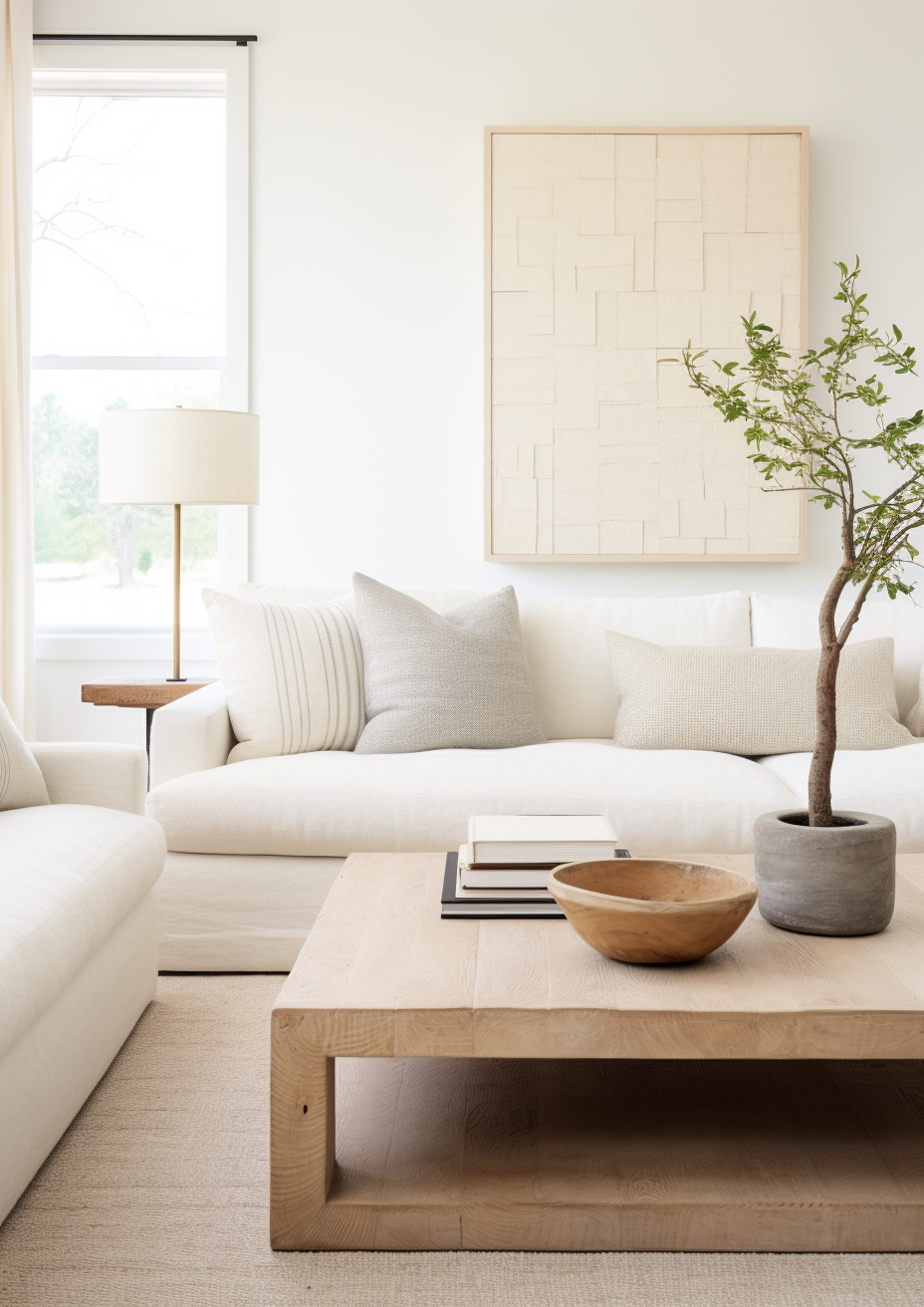
Sherwin Williams Alabaster SW 7008 -- LRV 82. The most popular warm off white in the SW range. Warm yellow undertone balanced enough to work across a wide range of room orientations and styles. The Alabaster guide covers its undertones and best applications in detail.
Benjamin Moore Swiss Coffee OC-45 -- LRV 82. One of BM's most enduringly popular off whites. Warm cream undertone with a subtle green-yellow complexity that prevents it tipping into obvious yellow. The Swiss Coffee guide covers its full behavior.
Best Warm Greige Off Whites

Sherwin Williams Shoji White SW 7042 -- LRV 74. The most widely specified warm greige off white in the SW range. Versatile, adaptable, and works across minimalist and traditional interiors equally. Detailed breakdown in the Shoji White guide above.
Benjamin Moore White Dove OC-17 -- LRV 83. Technically a neutral off white but leans warm in most conditions. One of the most reliable and widely loved off whites in the BM range -- consistently on designer shortlists for its adaptability.
Best Cool Off Whites

Farrow and Ball Strong White No.2001 -- LRV 75. The most popular cool off white in the F&B range. Gray undertone reads as crisp and architectural in good light. Best in well-lit contemporary and period homes.
Benjamin Moore Chantilly Lace OC-65 -- LRV ~92. A very bright, near-neutral white that sits at the very bright end of the off white spectrum. Near-cool undertone makes it one of the crispest off whites available.
Off White vs Cream vs White -- What Is the Difference?

Pure white has an LRV of 90+ and contains minimal pigment -- it reads as clean, bright, and stark on a wall. It can feel clinical or cold in rooms with limited natural light.
Off white has an LRV of roughly 75-90 and contains enough pigment to soften the stark quality of pure white without creating an obvious color. It reads as white with character.
Cream has more yellow pigment than off white and reads as clearly cream or warm yellow-white on a wall. It sits below the off white zone -- more obviously warm, more obviously colored.
Ecru sits in a similar zone to cream but with a more muted, gray-beige quality -- less obviously yellow, more sophisticated and neutral in character. The ecru color guide covers exactly how it differs from cream and off white.
How to Choose an Off White for Your Room
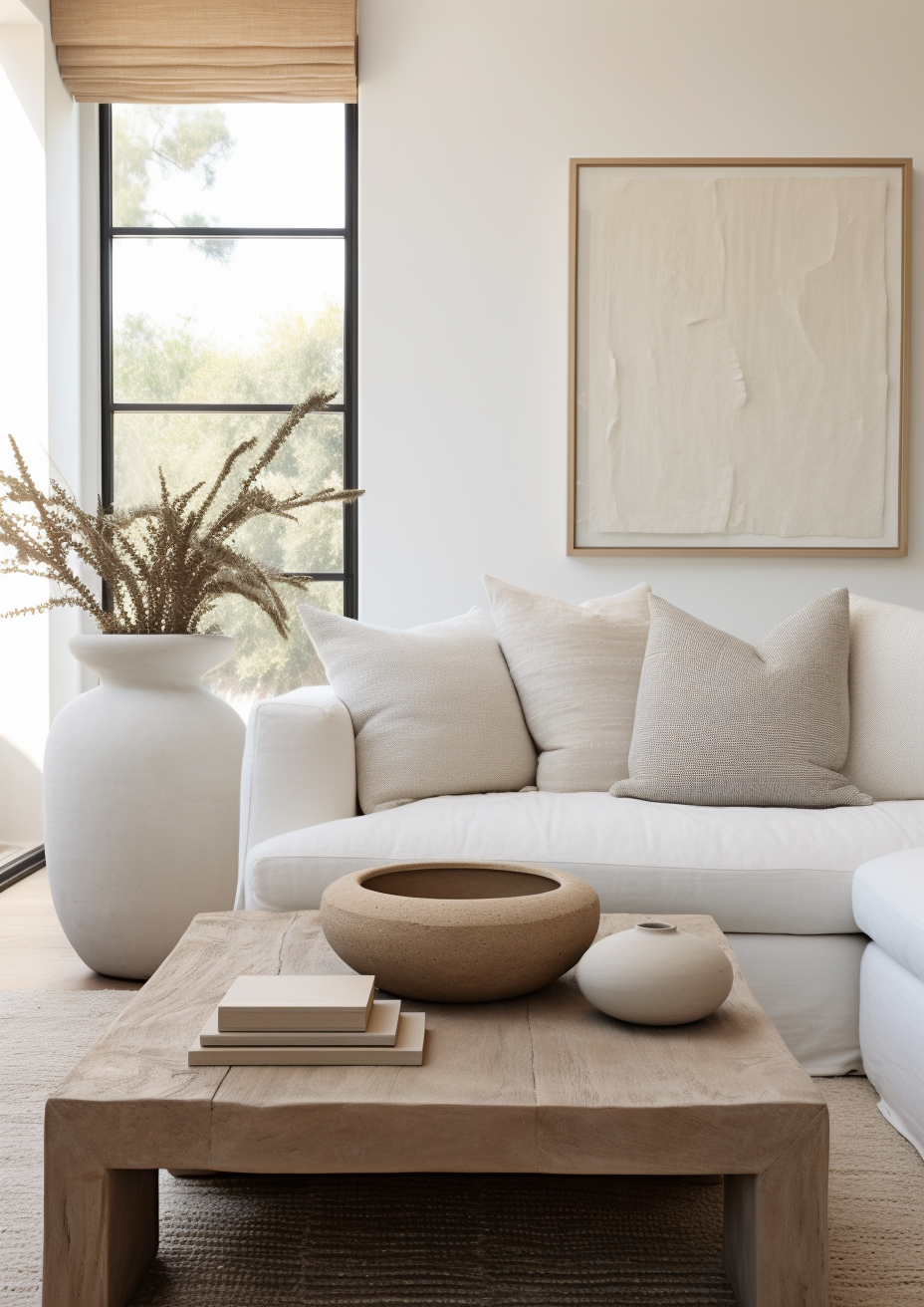
Step 1: Identify your room's dominant light direction
North-facing rooms receive cool, indirect light -- choose a warm greige off white or warm cream off white to counteract the coolness. Avoid cool off whites.
South-facing rooms receive warm, direct light -- most off whites work well. Warm cream off whites glow beautifully; be cautious with very high LRV off whites that can feel too bright.
East-facing rooms receive warm morning light and cool afternoon light -- a neutral or warm greige off white adapts most gracefully across both conditions.
West-facing rooms receive cool morning light and warm afternoon light -- similar to east-facing, neutral and warm greige off whites are the safest choice.
Step 2: Consider your floor and material palette
Warm wood floors, brass, warm stone -- choose a warm cream or warm greige off white. The undertones will harmonise with the warmth of the materials.
Cool stone, marble, chrome, concrete -- choose a cool or neutral off white. Warm cream off whites can clash with cool materials and look yellowed by comparison.
Mixed materials -- choose a neutral off white. Its balanced undertone adapts to both warm and cool surrounding materials.
Step 3: Sample large and observe across a full day
A paint chip is never sufficient for choosing an off white -- the undertone difference that determines whether an off white reads as perfect or slightly wrong is only fully visible at scale under real light conditions. Paint a large test area -- at least A3 size, ideally larger -- and observe it across different times of day and under both natural and artificial lighting before committing.
Frequently Asked Questions

What is the most popular off white paint color?
Sherwin Williams Alabaster and Benjamin Moore White Dove are consistently the two most popular off whites in residential interior design -- both appear on designer shortlists across a wide range of interior styles and both have proven track records across varied light conditions. Alabaster is the warmer of the two; White Dove is the more neutral and versatile.
Is off white the same as cream?
No -- off white has less pigment and a more subtle undertone than cream. Cream reads as clearly warm and yellow-white on a wall; off white reads as white with a hint of character. The distinction matters in practice: a cream wall in a small room can feel heavy and obviously yellow; an off white wall in the same room reads as a sophisticated, characterful white.
Does off white go with everything?
The right off white goes with almost everything -- but the wrong off white can clash badly. A warm cream off white alongside cool gray furniture and cold stone floors will look yellow and out of place. A cool off white in a north-facing room with limited light will look gray and flat. The key is matching the undertone of the off white to the dominant temperature of the room's materials and light.
What off white is best for kitchen cabinets?
Swiss Coffee OC-45 and White Dove OC-17 are the most consistently recommended off whites for kitchen cabinets -- both provide a warm, sophisticated finish that reads as timeless rather than obviously cream or yellow. For SW cabinets, Alabaster is the most popular choice. The best option depends on your countertop material, hardware finish, and whether the kitchen has warm or cool natural light.
Is off white good for small rooms?
Yes -- a higher LRV off white (LRV 82+) is one of the best choices for small rooms because it reflects more light than a pure cream or beige while adding more warmth and character than a stark pure white. The key is choosing an off white with a warm undertone in a north-facing small room, and a neutral or warm off white in a south-facing small room where the high LRV will reflect the natural light effectively.
Final Thought
Off white is not a compromise between white and color -- it is a considered design choice in its own right. The best off whites are more sophisticated and more beautiful than pure white precisely because of the undertone complexity that makes them challenging to choose. Take the time to understand undertones, test large samples in your specific room, and choose based on the actual conditions of the space rather than how a chip looks in a shop. The result is almost always worth the extra effort.
Need help choosing the right off white for your home? See our design packages here -- bydesignandviz.com/#interiordesignpackages |
About the Author
Beril Yilmaz is a qualified architect and interior designer based in the UK. She runs BY Design And Viz, a design platform covering paint color reviews, interior design guidance, and residential design projects.


Comments