


5 Things to Look for in a Reliable Roofing Contractor

Hiring the wrong roofing contractor costs more than money. It drains your time, adds stress, and sometimes compromises the structural integrity of your home. One rushed decision made without proper information can saddle you with a subpar roof, voided warranties, and a contractor who won't return your calls once the check clears.
These five things will give you a clear filter for separating the professionals from the problem-makers. Do your due diligence before anyone sets foot on your roof.
1. Valid Licensing, Insurance, and Manufacturer Certifications
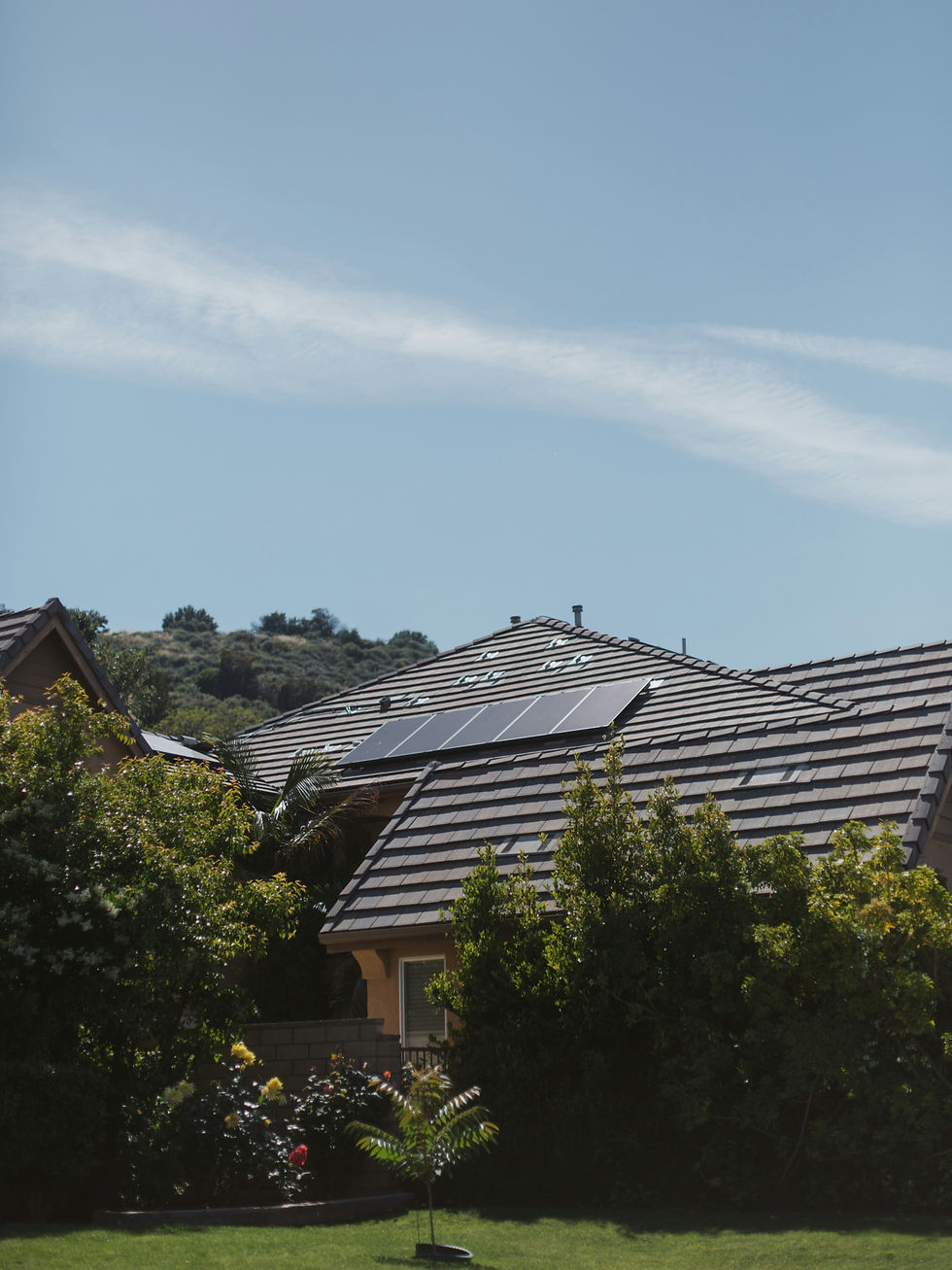
Every roofing contractor you talk to should carry current licensing, general liability insurance, and workers' compensation coverage before they touch your property. Smart Choice Contracting is one example of a contractor that holds manufacturer-level certification, which matters far more than most homeowners realize. Owens Corning Platinum Preferred status isn't handed out freely. Contractors must meet strict installation standards and volume thresholds to earn and keep them; in return, they're authorized to offer extended warranties that uncertified contractors simply can't provide.
Ask every contractor to show proof of insurance before work begins. If they hesitate or say they'll "get it to you later," walk away. General liability protects your property if something goes wrong during the job; workers' comp protects you from being held financially responsible if a worker gets injured on your roof. Without both, you're carrying the legal and financial risk. Licensing requirements vary by state and county, so check with your local building department to confirm what's required in your area. A contractor who can't clear this first hurdle isn't worth your time.
2. A Track Record You Can Actually Verify
Reputation isn't just a star rating on a review site. It's the full picture of how a contractor behaves before, during, and after a job. You'll notice the difference between a contractor with 96 detailed reviews and a 5.0 rating versus one with six five-star reviews and no written feedback. The first tells a much more complete story.
Read what customers actually say. Do the reviews mention clean job sites? Honest communication? Showing up on time? These operational details separate a competent contractor from a frustrating one. And the length of operation matters too. A contractor who's been in business for over 25 years and completed 2,000+ roof installations brings a different experience than one who started last spring. Ask directly for references from past customers in your area and follow up with a phone call; most homeowners with a good experience are happy to share it.
3. Transparent Pricing With No Hidden Costs

A detailed, written estimate is non-negotiable. Any contractor giving you a verbal quote and asking you to "trust them on the rest" is setting you up for a surprise invoice. A proper estimate should break down materials, labor, disposal fees, and any additional work needed based on your roof's current condition.
Watch for these red flags:
Unusually low bids that don't account for quality materials
Estimates missing disposal or cleanup costs
Contractors are pushing you to sign before you've reviewed everything
Vague line items without explanation
Transparent pricing also reflects how a contractor operates. A company hiding fees during quoting will likely cut corners during installation. Look for contractors who walk you through the estimate line by line and answer questions without getting defensive. If they offer financing, confirm the terms in writing. Zero percent interest programs can be genuinely useful, but only if the terms are clear from the start.
4. Quality Materials and Proper Installation Standards
The materials a contractor uses matter as much as the crew's skill. Not all shingles, fasteners, or underlayments are equal; the difference between standard and premium shows up years down the road, not on day one. Ask what materials will be used and verify they meet the manufacturer's specifications for your climate and roof pitch.
Here's the thing: fastener type is worth asking about specifically. Hot-dip galvanized nails outlast standard electro-galvanized nails in humid or coastal environments. That's not minor. It's the installation detail that determines whether your roof lasts for decades or starts corroding in ten years. Also confirm:
Whether the contractor installs a proper underlayment layer
Whether the drip edge appears on all edges, not just some
Whether ventilation gets assessed as part of the job
Whether old shingles will be fully removed before new ones go down
Each point affects both your roof's longevity and the validity of any manufacturer's warranty.
5. Clear Communication and Accountability From Start to Finish

The best materials and certifications don't mean much if the person running the job vanishes after you sign. You need a contractor who communicates clearly at every stage, from the initial estimate through the final walkthrough.
Find out who your main point of contact will be. Sometimes the owner performs the estimate but then hands the job to a project manager you've never met. Other times the owner stays involved throughout. Neither approach is automatically wrong, but you should know upfront who to call if something looks off mid-project. When you ask how the company handles unexpected issues, hidden rot under the decking or material delays, a clear, honest answer shows how they actually operate. But that's just part of the picture.
Post-job accountability matters too. Thorough cleanup after work is done, including magnetic nail sweeps, removal of old materials, and a final walkthrough with you, reflects a contractor taking the whole job seriously, not just the visible installation. The warranty documentation you receive at the end is the final test; get it in writing, understand what it covers, and keep a copy somewhere safe.
Conclusion
Sorting through contractors takes effort, but it comes down to one principle: documentation beats promises. Verify the license and insurance. Check reviews in depth. Demand a written estimate. Ask about materials by name. Confirm who's accountable when something goes wrong. A roof is one of your home's most expensive components, and the contractor you choose directly impacts how long it lasts.


Comments