


Alabaster vs Simply White: The Warm White Comparison That Settles It

Updated: Sep 11
Alabaster and Simply White appear on the same shortlists constantly -- both described as warm whites, both widely loved by designers, and both frequently recommended as safe, versatile choices for walls, trim, and cabinetry. The problem is that they are from different brands, have a significant LRV gap between them, and create noticeably different atmospheres on a wall. Treating them as interchangeable is one of the most common warm white mistakes.
This guide covers exactly how Sherwin Williams Alabaster and Benjamin Moore Simply White differ in LRV, undertone, light behavior, and room application -- with a clear verdict on which one suits which situation.

Quick Reference -- Alabaster vs Simply White
| Alabaster SW 7008 | Simply White OC-117 |
Brand | Sherwin Williams | Benjamin Moore |
LRV | 82 | 89.5 |
Undertone | Warm cream, soft yellow with greige anchor | Clean warm white, subtle yellow |
Temperature | Warm -- clearly an off-white | Warm-neutral -- brighter, closer to pure white |
Depth | Softer, more body, more obviously off-white | Brighter, more open, less obviously warm |
North-facing rooms | Holds warmth well -- reliable | Bright and clean -- can read slightly cool |
South-facing rooms | Beautiful warm cream glow | Fresh and luminous, slightly energetic |
Best trim | Pure White SW 7005, Extra White SW 7006 | Chantilly Lace OC-65, Simply White on trim too |
Best for | Traditional, organic modern, transitional | Contemporary, minimalist, bright interiors |
Verdict | Warmer, softer, more obvious off-white | Brighter, crisper, more versatile across styles |
What Is Alabaster?

Alabaster SW 7008 is Sherwin Williams' most popular warm white -- an LRV of 82 that places it firmly in the off-white zone with genuine warmth and body. It has been one of the most specified whites in residential design for years and suits the widest range of interior styles of any SW white, from organic modern to traditional to transitional.
Alabaster's undertone is warm cream with a soft yellow quality anchored by a subtle greige base -- it reads as clearly warm and inviting without tipping into obviously yellow or buttery territory. The greige anchor is what prevents it from looking dated in the way that some warm yellowed whites do -- it keeps the warmth sophisticated and grounded. In north-facing rooms it holds its warmth reliably. In south-facing rooms it glows beautifully without washing out. The full breakdown of Alabaster's undertone behavior is in the Alabaster review.
What Is Simply White?

Simply White OC-117 is Benjamin Moore's most popular bright warm white -- at LRV 89.5 it sits significantly brighter than Alabaster and much closer to the pure white end of the spectrum. It is one of the most widely used whites in contemporary residential design, appearing frequently in minimalist, Scandinavian, and contemporary interiors where the brief is a warm white that reads almost as a pure white but with just enough character to avoid the clinical quality of a true stark white.
Simply White's undertone is a clean warm white with a subtle yellow quality -- warmer than a neutral pure white but significantly less warm and less obviously cream than Alabaster. At LRV 89.5 it reflects dramatically more light than Alabaster's 82 -- that 7.5 point gap is very significant in practice and is the primary reason these two colors create such different atmospheres on a wall. For how Simply White compares to Benjamin Moore White Dove -- the other major BM white -- the Simply White vs White Dove guide covers that comparison directly.
For the cross-brand comparison of Simply White against SW Shoji White - the warm off-white that sits 15 LRV points below and belongs to an entirely different color category - the Simply White vs Shoji White guide explains the depth difference and which one suits your brief.
Alabaster vs Simply White -- The Key Differences
LRV -- The Most Important Difference
The 7.5-point LRV gap between Alabaster (82) and Simply White (89.5) is the most significant practical difference between these two colors -- far more impactful than the undertone difference alone. Simply White at LRV 89.5 is one of the brightest whites available in residential paint -- it reflects nearly as much light as a pure white and creates a very open, airy, energetic atmosphere. Alabaster at LRV 82 has genuine body and warmth -- it reads as a clearly off-white color with depth and character. In a room where you want maximum brightness and lightness, Simply White wins. In a room where you want warmth and sophistication, Alabaster wins.
For the comparison of Simply White against SW Pure White — the near-neutral SW bright white that sits 7 LRV points lower and performs more consistently across varied light and material conditions — the Simply White vs Pure White guide covers that cross-brand white distinction in full.
Undertone
Both colors are warm but their warmth reads differently -- Alabaster's warmth is richer, creamier, and more obviously present on a wall. Simply White's warmth is lighter and cleaner -- it reads as a warm white rather than a warm off-white. The practical difference: Alabaster makes a room feel warmer and more enveloping. Simply White makes a room feel brighter and more open while still avoiding the clinical coldness of a stark pure white.
Cross-Brand Considerations

Alabaster is Sherwin Williams and Simply White is Benjamin Moore -- they are mixed in entirely different paint systems. A cross-brand color match of either into the other brand's system will not replicate the exact undertone or sheen of the original. If you are committed to a specific color, always buy the original brand. If you are trying to match trim and walls across both brands, be aware that even close matches will show a visible difference on adjacent surfaces in good light.
Versatility Across Styles
Simply White is the more versatile of the two across different interior styles -- its high LRV and clean warm character means it suits contemporary, minimalist, traditional, and transitional interiors equally. Alabaster's richer warmth is more style-specific -- it suits organic modern, traditional, and transitional interiors beautifully but can feel slightly heavy in very contemporary or minimalist spaces where a crisper, brighter white reads better.
Want expert guidance choosing the right warm white for your home? Book a color consultation here -- bydesignandviz.com/book-online |
Alabaster vs Simply White -- Room by Room
Living Rooms

Alabaster suits living rooms where the brief is warmth, depth, and an enveloping atmosphere -- spaces with warm wood floors, natural linen, rattan, and warm brass where the color's cream quality enhances the surrounding materials. Simply White suits living rooms where the brief is brightness, openness, and a fresh modern character -- spaces with cleaner lines, cooler materials, or where maximum light reflectance is needed to make the room feel larger and more energetic.
Bedrooms

Alabaster is the stronger bedroom choice for most situations -- its warmth and depth create a more settled, restful atmosphere than Simply White's bright, open quality. In a bedroom where the brief is calm and cocooning, Alabaster delivers that consistently. Simply White in a bedroom works well when the room is small and needs maximum brightness, or when the style is contemporary and spare where a warmer off-white would feel too heavy.
Kitchens
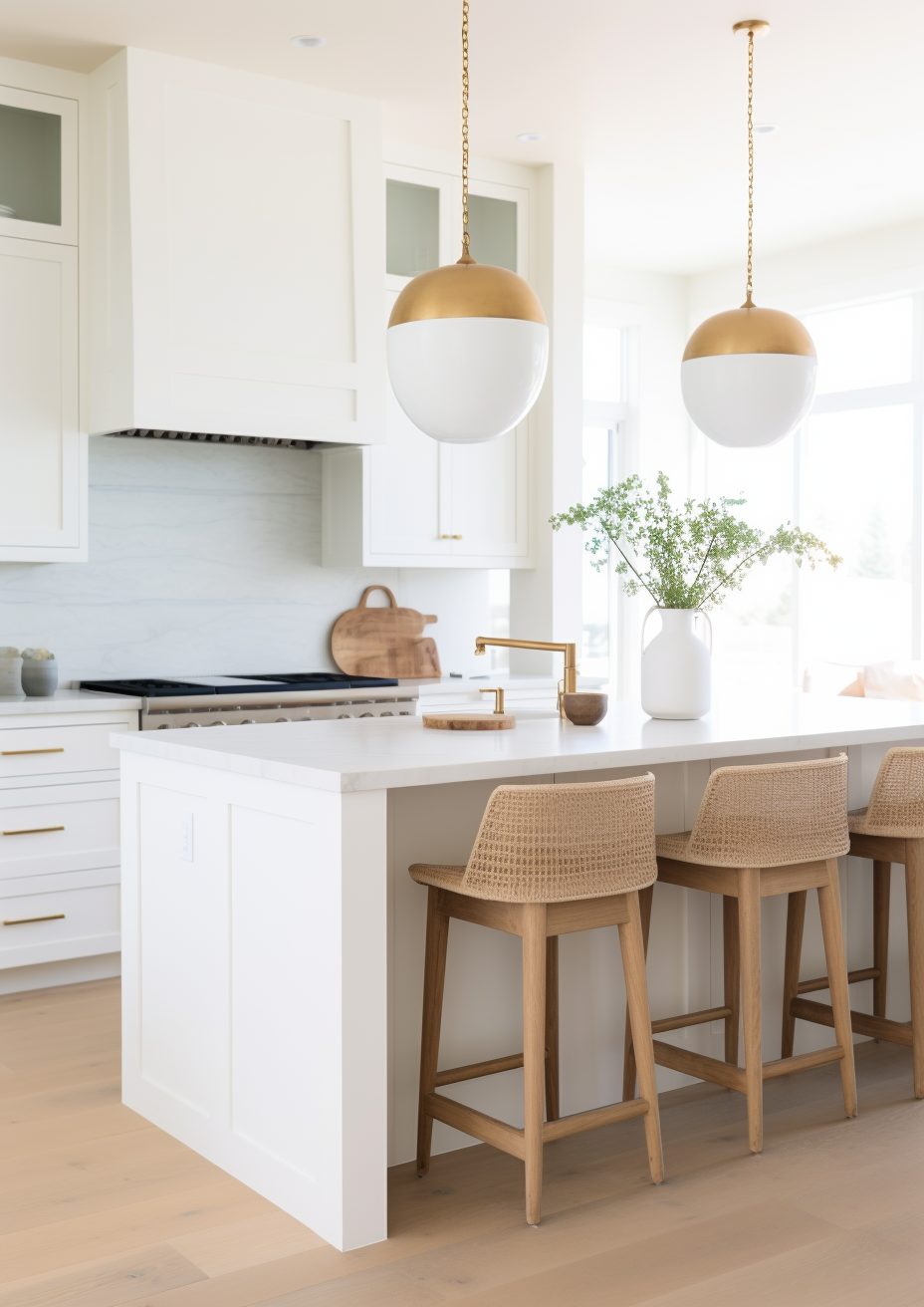
Both are popular kitchen colors but they create completely different kitchen characters. Alabaster on kitchen cabinets creates a warm, creamy, timeless kitchen that suits farmhouse, organic modern, and transitional styles. Simply White on kitchen cabinets creates a brighter, crisper kitchen that suits contemporary, Scandinavian, and minimalist styles. Simply White also works as a kitchen wall color in rooms where maximum brightness is the priority -- it reads almost as a pure white on walls under good natural light.
Trim and Cabinetry
This is where the choice between Alabaster and Simply White has the most significant impact. Alabaster on trim creates a warm, soft boundary that suits warm-palette rooms -- it looks beautiful alongside warm greige walls, warm wood floors, and warm accent colors. Simply White on trim creates a brighter, crisper boundary -- it suits a wider range of wall colors including both warm and cool neutrals and is one of the most widely specified trim whites in contemporary design. If your walls are a warm greige or warm neutral, Alabaster trim creates a beautiful tonal scheme. If your walls are a deeper or cooler neutral, Simply White trim provides cleaner contrast.
North-Facing Rooms
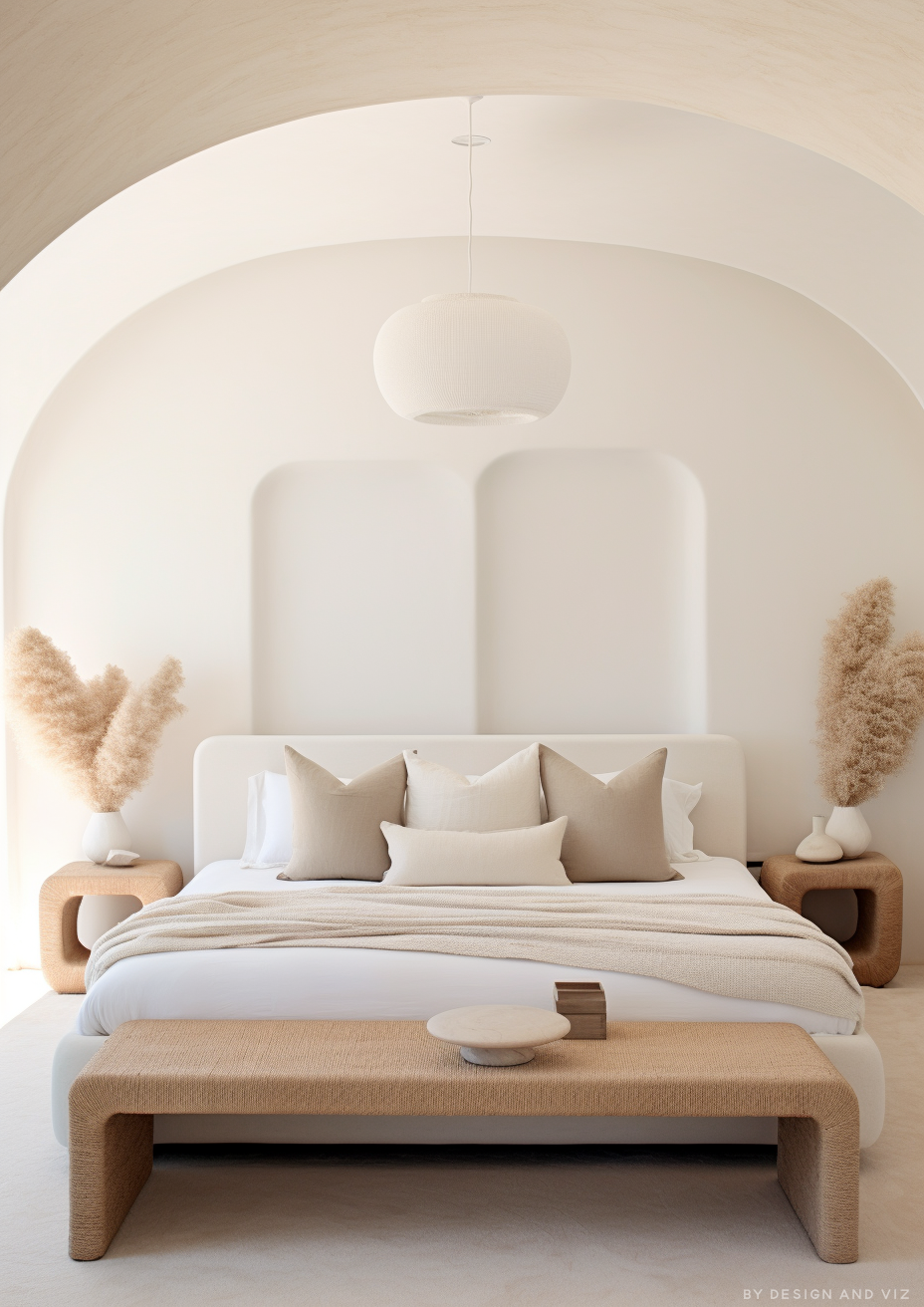
Alabaster is the stronger choice in north-facing rooms -- its richer warmth counteracts the cool blue-toned light in those rooms and prevents the color reading cold or flat. Simply White in a north-facing room can read as a cooler, less warm white than expected -- the high LRV means it reflects a lot of the cool light rather than absorbing it with warmth the way Alabaster does.
What to Pair With Alabaster

Trim: Pure White SW 7005 or Extra White SW 7006 when Alabaster is on walls. When Alabaster is on trim, pair with warmer wall colors -- warm greige, warm taupe, sage green.
Floors: Warm wood in any tone, warm stone, terracotta -- Alabaster's cream quality relates naturally to warm floor materials.
Accents: Warm brass, aged bronze, soft terracotta, muted sage, natural linen.
Style: Organic modern, farmhouse, traditional, transitional.
For how Alabaster compares to other SW warm whites in the same family, the Creamy vs Alabaster guide and the Shoji White vs Alabaster guide cover those comparisons directly.
What to Pair With Simply White

Trim: Chantilly Lace OC-65 for a crisper contrast, or Simply White on both walls and trim for a seamless monochromatic scheme.
Floors: Warm wood, cool stone, marble, white oak -- Simply White's clean warm character works alongside a wider range of floor materials than Alabaster.
Accents: Warm brass, polished nickel, soft navy, warm terracotta, black accents for high contrast.
Style: Contemporary, minimalist, Scandinavian, transitional, modern farmhouse.
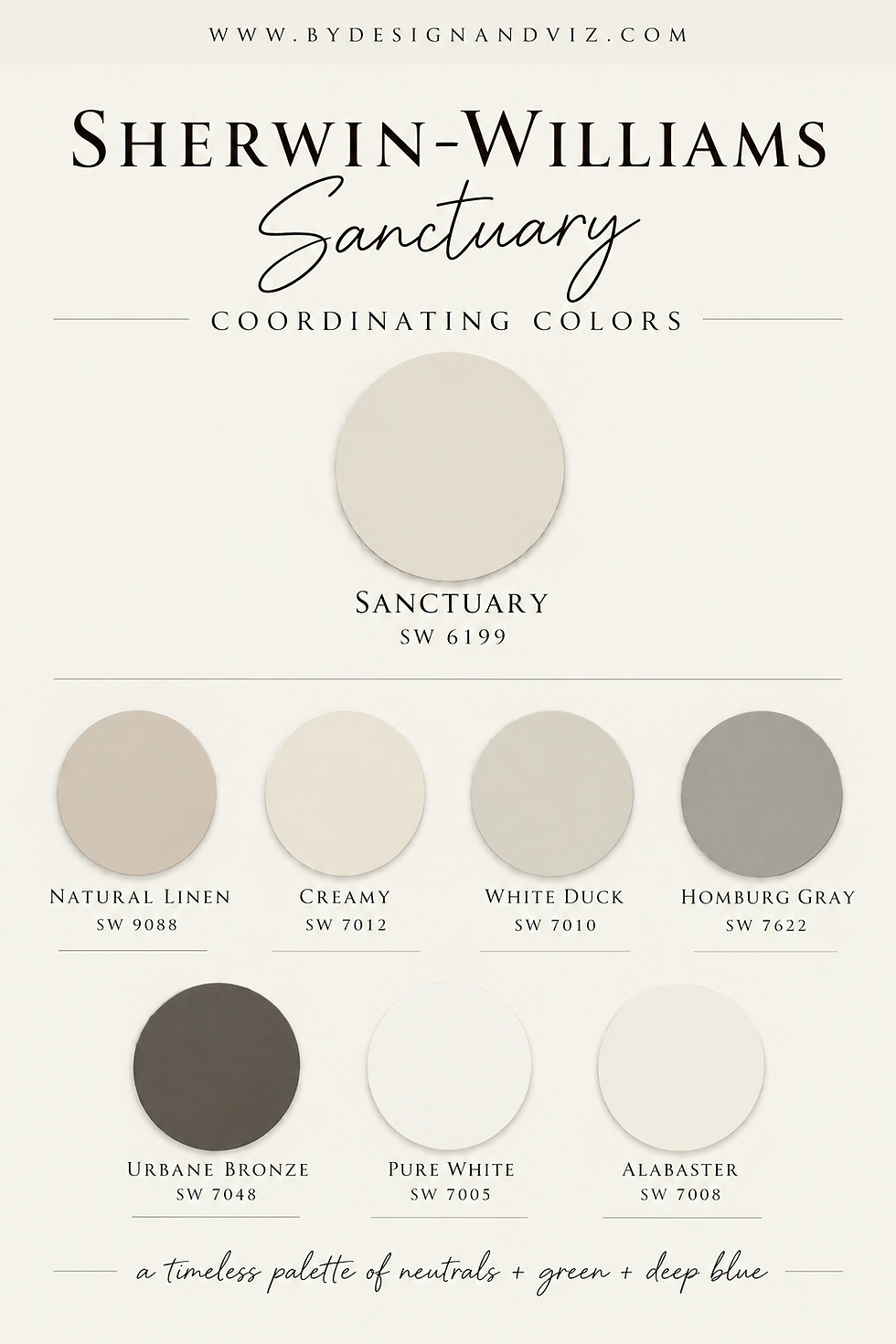
For how Simply White compares to Sanctuary - a muted warm beige-greige that behaves like a wall colour rather than a white - the Sanctuary vs Simply White guide covers which rooms actually need a true white and which ones are better served by a softer, dressed neutral.
The Verdict

Choose Alabaster if: you want a clearly warm off-white with genuine depth and body, the interior style is organic modern, traditional, or transitional, your floor and material palette is warm-toned, or your room is north-facing and needs warmth to counteract the cool light.
Choose Simply White if: you want maximum brightness from your white, the interior style is contemporary or minimalist, you want a warm white that also works as trim alongside deeper wall colors, or you need a white that performs consistently across both warm and cool material palettes.
The LRV gap is the deciding factor for most rooms -- if you hold both colors up in your room and the room feels like it needs more light and openness, Simply White is the answer. If it feels like it needs more warmth and depth, Alabaster is the answer. Never choose between them from a chip alone -- sample both at large scale in your specific room before committing.
Frequently Asked Questions
Is Alabaster warmer than Simply White?
Yes -- Alabaster is significantly warmer and more obviously cream than Simply White. The 7.5-point LRV gap means Alabaster has considerably more body and warmth on a wall. Simply White is warm relative to a pure or cool white, but it reads as a bright warm white rather than a warm off-white in the way Alabaster does.
Can I use Alabaster walls with Simply White trim?
Yes -- but be aware that the LRV difference will create visible contrast between them. Alabaster walls with Simply White trim creates a scheme where the trim reads as noticeably brighter and crisper than the walls -- which can look intentional and sophisticated if that contrast is deliberate, but can look like a mismatch if you were expecting them to read as the same color family. Always sample both together in the room before committing to this combination.
Which is better for kitchen cabinets -- Alabaster or Simply White?
It depends entirely on the kitchen style and material palette. Alabaster on cabinets suits farmhouse, organic modern, and warm-palette kitchens. Simply White suits contemporary, minimalist, and kitchens with cooler or more varied material palettes. Simply White also maintains its brightness under artificial light better than Alabaster -- which matters in kitchens that are used heavily in the evening.
Is Simply White too bright for walls?
In south-facing rooms with strong natural light, Simply White at LRV 89.5 can read very bright and almost pure white -- which some people find too energetic for a relaxing living room or bedroom. In those situations Alabaster's lower LRV and richer warmth creates a more comfortable atmosphere. In north-facing rooms or rooms with limited light, Simply White's high LRV is an asset -- it maximizes light reflection and keeps the room feeling open.
Can I cross-match Alabaster into Benjamin Moore or Simply White into Sherwin Williams?
Paint stores can attempt a cross-brand match but the result will not be identical to the original -- the paint systems, pigment bases, and sheen levels differ between brands and even a close color match will show a visible difference on adjacent surfaces. For trim and wall colors that will be seen simultaneously, always stay within one brand rather than mixing.
Final Thought
Alabaster and Simply White are both excellent whites that serve different briefs -- the 7.5-point LRV gap means they are genuinely not interchangeable, and choosing between them should start with the question of whether you need more warmth and depth or more brightness and openness in the room. Test both at large scale in your specific room before deciding -- the LRV difference in particular is something that only becomes fully clear at wall scale under real light conditions.
Need help choosing the right warm white for your home? See our design packages here -- bydesignandviz.com/#interiordesignpackages |
About the Author
Beril Yilmaz is a qualified architect and interior designer based in the UK. She runs BY Design And Viz, a design platform covering paint color reviews, interior design guidance, and residential design projects.



Comments