


Lighting, Texture, And Tone: The Science Of Realism In Architectural 3D Renderings

High-end design work now depends on images that feel credible at first glance. Basic mockups are still useful in-house, but clients and investors respond far better to visuals that match how the eye reads space, depth, and material. That is why architectural renderings services have shifted from a presentation extra to a core design tool. In the same first conversation, a team may need to explain daylight, finish quality, and furniture scale. A clean model cannot do that alone. Detailed architectural 3d renderings can. In luxury housing, hospitality, and branded interiors, this level of realism often determines whether a client feels confident or continues to hesitate.
The difference between a standard model and a premium image is not just resolution. It is perception. A stronger render mirrors the way people notice glare on stone, softness in fabric, or warmth in late-afternoon light. That makes decisions easier. The broader field of architectural visualisation has become more exact for the same reason. It helps teams compare options earlier, reduce uncertainty, and lock down choices before expensive work begins on-site.
The Physics Of Light: Beyond Simple Illumination

Realism starts with light. Not brightness alone, but behavior. Modern engines rely on global illumination and ray tracing to show how light bounces from wall to floor, loses strength, and picks up color from nearby surfaces. That is why a white ceiling can warm slightly above an oak floor, or why a polished stone island can throw a faint reflection onto surrounding cabinetry. These are small signals, yet viewers notice them immediately.
Sunlight also changes a room's personality as it moves. A south-facing window at 9 a.m. behaves differently than the same opening at 5 p.m., and structural beams, curtains, and deep reveals shape those results. Good artists working in 3d architectural renderings do not treat light as a flat wash. They build atmosphere from physics. The room feels calm, dramatic, airy, or intimate because the underlying math is convincing.
Simulating Solar Interaction With Interior Textiles

Textiles are among the fastest ways to reveal weak rendering. If cloth behaves like cardboard, the whole image falls apart. A premium workflow measures translucency, opacity, weave density, and edge softness so the engine can describe how light passes through heavy drapery or thin linen. The change is visible. Velvet absorbs and deepens a scene. Sheers scatter brightness and soften contrast.
This matters in real projects because window treatments affect both mood and thermal comfort. Morning sun through a pale fabric can make a breakfast corner feel calm instead of harsh. In a bedroom, dense curtains may cut glare and reduce perceived heat. A strong architectural 3d rendering service shows those differences before a client buys anything. That reduces guesswork and leads to smarter finish choices.
Materiality And The Science Of Texture Mapping

Texture is where realism becomes tactile. Physically based rendering, often shortened to PBR, uses data maps to define roughness, gloss, bump, and reflection. This lets artists show why brushed brass scatters light differently from chrome, or why honed marble feels quieter than a polished slab. Viewers may not know the technical terms, but they respond to the difference.
A refined material pipeline also keeps scale honest. Wood grain must match plank width. Stone veining must continue naturally across surfaces. Upholstery should compress visually where it meets the structure. These details are what separate a quick preview from a convincing 3d architectural visualization rendering. When the texture logic is correct, the image stops feeling synthetic and starts to resemble a photograph taken in a real room.
Color Accuracy And The Benjamin Moore Standard

Color is never just color. It changes with the angle of daylight, wall orientation, monitor calibration, and surrounding finishes. Professional teams often work from real manufacturer references, so the digital file matches the product ordered later. Benjamin Moore, Farrow & Ball, and other brands all publish measurable specifications that can guide digital setup. That level of fidelity matters because a navy wall may look almost black in shadow yet rich and clear in direct sun.
Clients notice those shifts quickly, especially in kitchens, bedrooms, and home offices, where they will live with the result every day. A careful architectural rendering service prevents expensive surprises by testing colors under multiple lighting conditions before paint is applied to the wall. One wrong assumption on a full repaint can cost thousands. One accurate preview can stop that problem early.
The Deluxe Advantage: Why Detailed Renderings Sell Projects
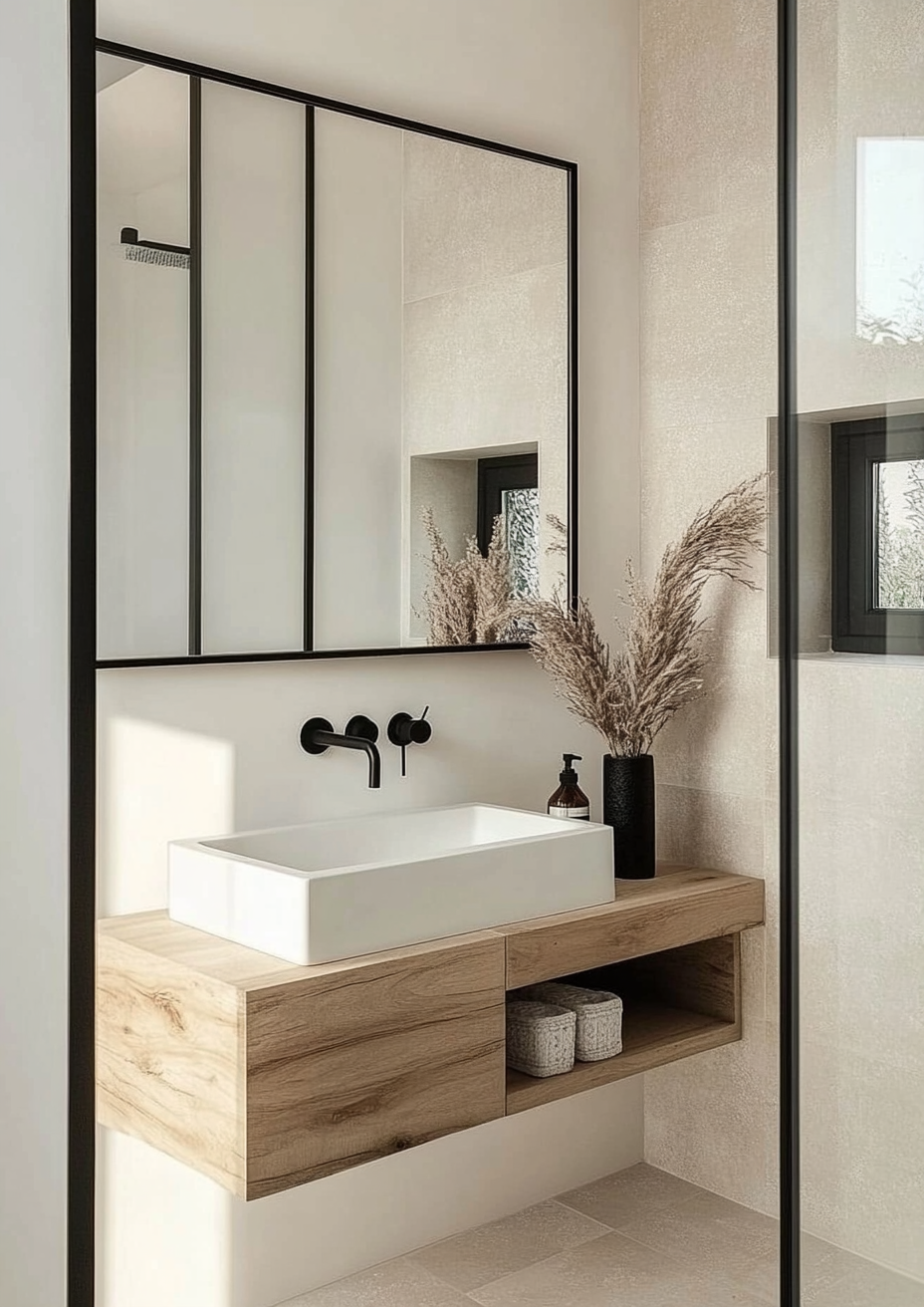
Premium visualization is often described as a luxury purchase, but in practice it serves more as risk control. When every finish, fixture, and lighting condition is shown clearly, fewer assumptions survive into construction. That lowers the chance of late-stage changes. Construction studies have long shown that change orders can add around 5% to 10% to project cost on many builds, and design confusion is a common trigger. Better visuals do not remove every issue, but they cut off many preventable ones.
This is also why investors and end clients respond so strongly to high-detail images. They can see what is being proposed, not just hear it described. A specialized 3d architectural rendering company or boutique studio may spend extra hours on hardware sheen, grout lines, or edge conditions, yet that extra effort often shortens approval cycles. The image becomes evidence, not decoration.
Achieving Environmental Tone With Architectural 3D Renderings

Tone is broader than color grading. It is the emotional charge of an image. A room can feel cool, warm, quiet, formal, or relaxed depending on how lighting, texture, lens choice, and contrast work together. In luxury portfolios, this emotional layer matters because buyers are not just comparing floor plans. They are comparing futures. The strongest architectural render services treat environmental tone as part of the technical brief, not a last-minute style pass.
That result usually depends on a cluster of production choices working together. One setting alone will not do it. A controlled workflow for premium interior visuals typically brings together the following ingredients before the final image is approved:
High-dynamic-range imaging for believable exterior lighting, subsurface scattering for lifelike organic materials, precise anti-aliasing to remove digital noise, and disciplined post-production that gives the frame the cinematic balance expected in luxury presentations.
Post-Processing: The Final Layer Of Realism

After the engine finishes rendering, the image still needs to be judged. Post-processing is where a good frame becomes a persuasive one. This stage can include gentle color grading, contrast balancing, lens bloom, and very light vignette control. The goal is not to hide weak work. It is to make the image read like a professional photograph.
The best teams stay restrained here. Too much sharpening or dramatic flare makes a scene look fake again. But subtle control adds clarity and cohesion. This is where an experienced 3d renderings company often separates itself from a junior team. They know exactly how far to push the image before it stops feeling natural.
The Future Of Realism: Real-Time Precision

Rendering used to require patience. A single polished frame could take hours, sometimes longer, which made live collaboration difficult. That barrier is shrinking fast. Real-time engines now let clients move through spaces while materials, reflections, and lighting update almost instantly. Years ago, survey data in archviz showed real-time adoption doubling in a short span. That growth makes sense. Clients want answers during the meeting, not three days later.
This has changed expectations for studios of every size. A modern 3d architectural visualization company is now expected to combine beauty with speed. Meanwhile, firms offering broader 3d architectural services can use interactive previews to confirm layouts, finishes, and daylight scenarios on the spot. The result is deeper trust, because every design choice can be tested in a photoreal context rather than defended in abstract language.
Conclusion
Lighting, texture, and tone are not surface issues. They are the structure of believable imagery. When those three elements are handled with care, a render becomes clear enough to guide real decisions. That is why premium visualization now sits close to the center of design practice rather than at the decorative edge. Clients need evidence they can read, and teams need a shared target before procurement and construction begin.
The science behind realism will keep improving, especially as engines become faster and material libraries become smarter. But the goal stays the same: remove uncertainty. Strong premium visualization teams help people agree on what is being built. And when that agreement is based on accurate light, honest materials, and emotional clarity, the whole project moves with less friction. That is the real value of high-fidelity architectural 3d renderings.


Comments