


Cream Kitchen Ideas: Shades, Pairings, and Schemes That Actually Work

Cream is having a quiet comeback, and it deserves one. After years of stark, cool-toned white kitchens, more people are reaching for something softer and more livable. The best cream kitchen ideas walk a fine line: warm enough to feel inviting, clean enough to read as fresh, and pulled together with the right countertops, hardware, and wall colors so the whole room feels intentional. This guide breaks down how to choose your cream, what to pair it with, and how to make it work whether your kitchen is a tight galley or a sprawling open-plan.
Is a Cream Kitchen Still in Style?

Yes, and arguably more than it has been in a decade. The all-white kitchen trend pushed many people toward bright, blue-based whites that can feel cold and unforgiving, especially under daylight or in north-facing rooms. Cream is the antidote. It carries the same light, airy quality but with a warmth that makes a new kitchen feel comfortable rather than clinical.
There is also a practical case. Pure white shows every smudge and can look sterile next to natural materials like wood and stone. Cream is more forgiving, plays beautifully with organic textures, and sidesteps the dated, builder-grade feel that an aging white kitchen sometimes slips into. It reads as timeless rather than trend-driven, which is exactly what you want in a room you will not repaint every couple of years.
Choosing the Right Cream

This is where cream kitchens are won or lost. Cream is not one color but a whole family of warm whites, and the undertone is everything.
Warm, balanced creams are the safest starting point. Sherwin-Williams Alabaster (with an LRV of around 82) is a perennial favorite because it is soft and warm without tipping into yellow. Benjamin Moore White Dove is similar, a touch cleaner, with a whisper of gray that keeps it grounded. Both flatter almost any kitchen.
True creams lean more golden and cozy. Sherwin-Williams Creamy and Benjamin Moore Swiss Coffee bring noticeably more warmth, which is gorgeous in a traditional or farmhouse kitchen but needs watching in rooms with warm artificial light.
Then there is the cream that goes yellow trap. Shades with a heavy yellow undertone, like Navajo White or some older builder creams, can look buttery and dated under incandescent bulbs or in low light. The fix is simple but non-negotiable: buy a large sample, paint it on a board, and live with it for a few days. Look at it in morning light, evening light, and under your actual bulbs. North-facing rooms cool a color down and can make a balanced cream feel flat, while south-facing rooms warm everything up and can push a yellow-leaning cream over the edge. Sample first, always.
Best Cream Pairings

Cream is a team player, but it has preferences. Get these pairings right and the shade sings.
Countertops. Warm-veined marble or a quartz that mimics it is a natural match, picking up the warmth in the cabinets. Butcher block and wood counters lean into the coziness. For contrast, soapstone or a honed black surface grounds a cream kitchen and stops it from feeling too soft. Be cautious with cool, blue-gray quartz, which can fight the warmth and make your cream look muddy.
Hardware. Two metals do most of the heavy lifting. Brass and aged or brushed gold amplify the warmth and feel classic. Matte black does the opposite, adding crisp definition and a modern edge. Both are excellent. The mistake is bright chrome, which can feel cold and a little clinical against cream.
Flooring. Warm-toned wood, especially white or natural oak, is the easy win. Terracotta and warm stone tile work beautifully in traditional spaces. Avoid cool gray flooring, the kind that was everywhere a few years ago, since it clashes with cream's warmth and dates the room.
Wall colors. Keep walls in the same warm family. A slightly lighter warm white, a soft greige, or a gentle sage all let the cabinets stay the star without competing.
Cream Color Schemes That Work

If you want a starting palette, these four combinations are reliable:
Cream and sage. Soft, organic, and very current. Sage on an island or lower cabinets with cream uppers feels calm and nature-inspired.
Cream and navy. A classic high-contrast look. A navy island anchors a cream kitchen and feels both fresh and timeless, especially with brass.
Cream and natural wood. Warm wood open shelving, a wood island top, or wood flooring brings a Scandinavian, lived-in warmth.
Cream and black accents. Matte black faucets, hardware, and light fixtures give a mostly cream room structure and a modern backbone.
Pick one and let it guide your secondary choices, rather than trying to fold in three accent colors at once.
Cream Kitchen Ideas for Small and Large Spaces
Scale changes the calculus. In a small or galley kitchen, cream is a gift. Its reflectivity bounces light around far better than any dark color, so the room feels larger and brighter. Lean toward the lighter, higher-LRV creams like Alabaster or White Dove, keep upper and lower cabinets the same shade to avoid chopping up the space, and consider a satin finish to bounce a little extra light. A pale, warm backsplash that blends rather than contrasts will keep the room feeling open.
In a large or open-plan kitchen, you have more freedom. Bigger rooms can feel cavernous, and a warmer cream like Swiss Coffee or Creamy adds the coziness that stops the space from echoing. You can also introduce a contrasting island, a two-tone scheme, or a deeper accent color without overwhelming the room. Use that room to add depth, not just brightness.
Modern vs. Traditional Cream Kitchens
The same cream can read completely differently depending on the cabinet style. Traditional cream kitchens favor shaker or beaded-inset doors, warmer creams, brass hardware, and marble, for a look that feels established and classic. Modern cream kitchens use flat-front or slab doors, cleaner and more balanced creams, and either matte black hardware or a handleless design for a sleek, minimal finish.
The takeaway is to match the shade to the door. As the design-and-build team at Heritage Build Group put it, "the cabinet style should lead the shade, not the other way around." A buttery cream that looks charming on a shaker door can feel heavy on a sleek slab, so let your cabinetry decide how warm to go.
Planning Your Project
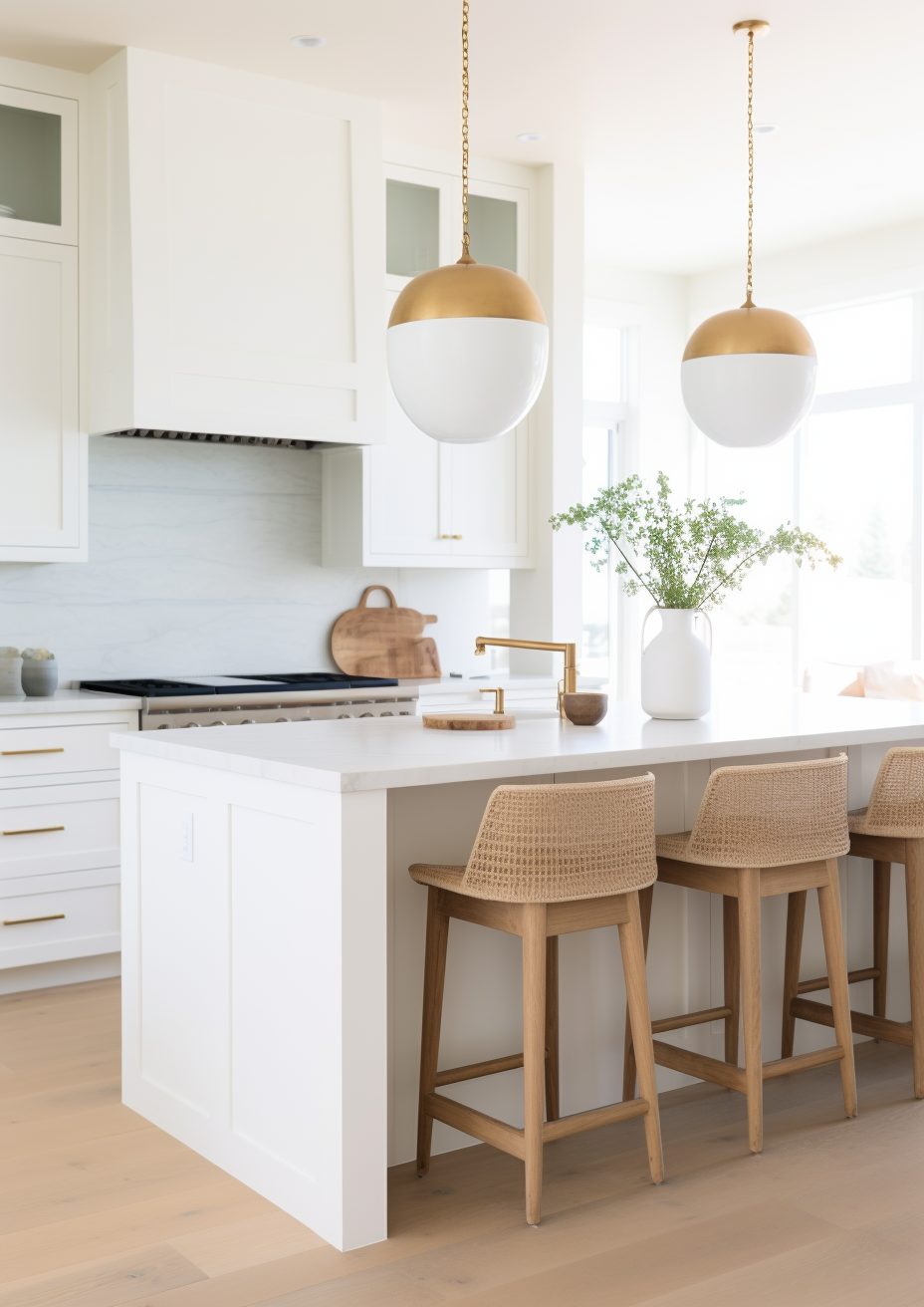
Turning a Pinterest board into a finished room comes down to sequencing your decisions in the right order. Settle your cream first, then build the palette outward: countertop, then hardware and faucet, then flooring and walls. Test the cream against physical samples of those materials, not just on the wall, because a shade that looks perfect alone can shift next to a warm marble or a cool quartz.
Most of all, commit before you order. Paint is easy to change your mind on, but cabinetry is not, so if you are fitting a new kitchen, lock in your cream and its pairings before the units and countertops are ordered. Order a door sample in your chosen finish, confirm it against your countertop and flooring selections, and only then place the order.
Cream rewards patience. Choose the undertone carefully, pair it with warmth rather than against it, and scale the shade to your room, and you will end up with a kitchen that feels both fresh and genuinely timeless, long after the bolder trends have come and gone.


Comments