


The Home Decor Magazines Designers Actually Reference Behind the Scenes

Home decor magazines have shaped how many of us understand style, layout, colour, and even aspiration. But the way designers use them is very different from how most people flip through their pages on a Sunday morning.
Behind the scenes, designers don’t treat home decor magazines as shopping catalogues or exact blueprints. They use them as reference tools — to understand proportions, study visual balance, track shifts in materials, and read between the lines of what’s coming next.
In this guide, we’re sharing the home decor magazines designers in the UK and US actually reference. Not because they’re trendy, but because they consistently deliver strong layouts, thoughtful styling, and ideas that translate into real homes.
At A Glance
-Why designers still rely on home decor magazines
-UK home decor magazines professionals trust
-US home decor magazines used for trend forecasting
-How designers read magazines differently
-Which magazines influence real projects
-How to use magazines without copying them
1. Home Decor Magazines: Why Designers Still Use Them
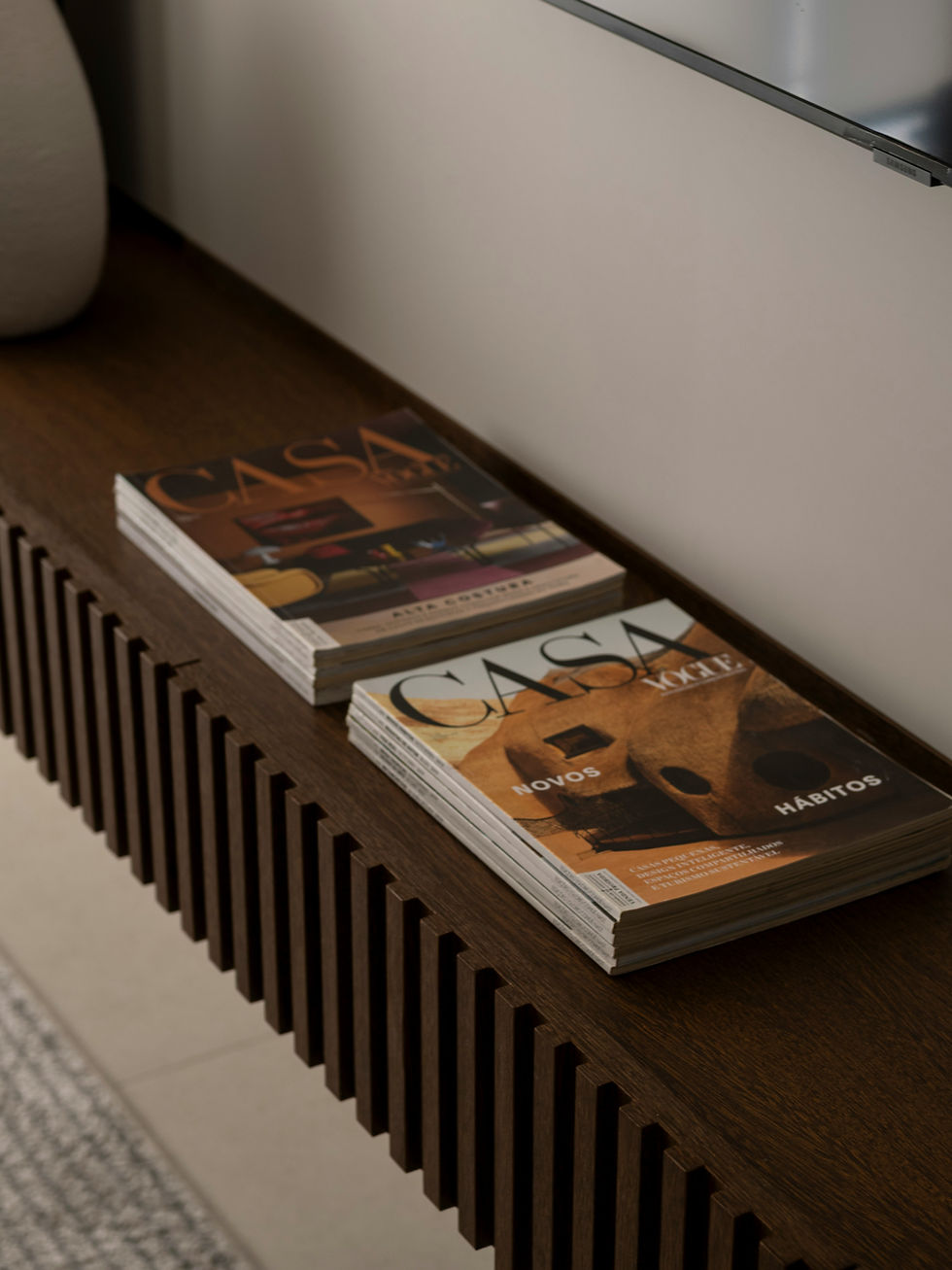
Despite social media and endless online inspiration, home decor magazines remain one of the most reliable tools designers use. They offer curated, edited content rather than algorithm-driven visuals.
Magazines allow designers to study full rooms, not cropped corners. They show how lighting, layout, furniture scale, and finishes work together across a space — something quick-scroll platforms rarely offer.
Designer Tip: Use magazines to understand composition and proportion, not to recreate rooms item by item.
YOU MAY LIKE

2. Home Decor Magazines: How Designers Read Them Differently

Designers don’t flip pages looking for identical sofas or paint colours. They look for patterns — repeated layouts, recurring materials, and subtle shifts in styling language.
A single issue can reveal how dining spaces are evolving, how kitchens are being zoned, or how colour palettes are becoming more restrained or more expressive.
Designer Tip: Focus on what appears repeatedly across different homes rather than what stands out once.
3. Home Decor Magazines: UK Titles Designers Actually Reference

The UK design scene has a distinct editorial voice — often more layered, architectural, and rooted in heritage references. These are home decor magazines UK-based designers regularly return to:
House & Garden
Livingetc
Elle Decoration UK
The World of Interiors
These magazines are less about fast trends and more about longevity, layered spaces, and thoughtful material choices.
Designer Tip: UK magazines are excellent for learning how to mix periods, textures, and architectural details without visual chaos.
Let’s Map Out Your Space Together
If you're planning a makeover and want a designer’s eye on how stick on tiles could work in your home, we’d love to help you visualise the transformation. Book a free 30-minute consultation and let’s sketch out a layout that feels tailored to your space.
4. Home Decor Magazines: US Titles Designers Use for Direction

US-based home decor magazines often lead in lifestyle storytelling, spatial flow, and large-scale layouts. Designers frequently reference them to understand how homes function as complete environments.
Titles designers regularly use include Architectural Digest, Elle Decor, House Beautiful, and Dwell.
These publications are especially strong for kitchens, open-plan living, and indoor–outdoor transitions.
Designer Tip: US magazines are ideal for studying flow, furniture spacing, and how rooms connect visually.
5. Home Decor Magazines: Which Ones Shape Trends First

Not all magazines follow trends — some quietly set them. Designers often watch specific titles to understand where materials, colours, and layouts are heading before they become mainstream.
Editorial features, not trend roundups, are usually where the most useful signals appear.
Designer Tip: Skip “trend pages” and focus on full home features to spot early shifts.
6. Home Decor Magazines: What Designers Ignore

Designers don’t use every page equally. Highly staged seasonal features or overly styled rooms often get mentally filtered out.
If a space feels impractical, over-accessorised, or impossible to live in, it’s treated as visual reference only — not a functional guide.
Designer Tip: If you can’t imagine daily life in the space, don’t treat it as a design goal.
7. Home Decor Magazines: How Designers Apply Ideas to Real Homes

Designers rarely lift ideas directly. Instead, they extract principles — symmetry, contrast, material balance, and spatial rhythm — and adapt them to the client’s home.
A magazine kitchen might inspire island proportions, while a living room feature might inform furniture spacing or lighting placement.
Designer Tip: Borrow logic, not layouts.
Your Renovation, Simplified
If you’re diving into a big home update, our Ultimate Renovation Planner can make the entire process far easier. From material planning to budgeting, it’s designed to keep your project organised while helping you visualise every detail. Explore the planner and plan your makeover with clarity.
8. Home Decor Magazines: Print vs Digital Editions

Print editions allow for slower reading and deeper observation, which designers value during early planning stages. Digital editions are often used for quick referencing or saving features.
Both formats serve different purposes in the design process.
Designer Tip: Use print for learning, digital for organising references.
9. Home Decor Magazines: How Often Designers Revisit Them

Designers revisit the same magazines repeatedly. Older issues often become more valuable over time, revealing which designs hold up and which date quickly.
Longevity is one of the strongest indicators of good design.
Designer Tip: Keep issues that still feel relevant after a year — discard the rest.
10. Home Decor Magazines: When They Shouldn’t Be Your Only Source

While home decor magazines are powerful tools, designers never rely on them alone. Site conditions, budgets, architecture, and lifestyle always shape final decisions.
Magazines inspire direction — they don’t replace design thinking.
Designer Tip: Inspiration should inform decisions, not override practical realities.
Conclusion
Home decor magazines remain one of the most valuable resources designers use — not for copying, but for understanding how spaces are composed, balanced, and lived in.
By knowing which magazines professionals trust in the UK and US, and how they actually use them, you can approach inspiration with more confidence and far fewer missteps. When you stop chasing perfection and start studying intent, your home decisions become clearer and more grounded.
FAQ: Home Decor Magazines
Which home decor magazines do designers use most?
Designers often reference House & Garden, Livingetc, Elle Decoration UK, Architectural Digest, Elle Decor, and Dwell.
Are home decor magazines still relevant today?
Yes. They offer curated, full-room perspectives that digital platforms often lack.
Should I copy rooms from home decor magazines?
No. Designers recommend borrowing principles rather than recreating rooms exactly.
Are UK and US home decor magazines different?
Yes. UK magazines often focus on layered interiors and heritage, while US magazines emphasise flow and lifestyle
Start Your Dream Home Transformation
Our online design packages were created to make the entire process smoother, clearer, and far more enjoyable — no stress, no second-guessing. Whether you’re refreshing one room or reimagining your whole home, we guide you every step of the way with layouts, visuals, and a fully personalised design plan.
See our interior and exterior design packages to get started.
Author Bio
Beril Yilmaz is the founder of BY Design And Viz, an online interior and exterior design studio specialising in clear layouts, thoughtful architectural details, and design decisions that support how people actually live. With a background in architecture and a practical design approach, her work focuses on creating homes that feel considered, functional, and intentionally designed.


Comments