


How to Make Your Home Feel Like a Hotel - The Architect's Guide

There is a specific feeling you get when you walk into a beautifully designed hotel room. The lighting is soft, the colors feel intentional, and everything seems to have its place. Most people assume that feeling belongs exclusively to travel - that it lives in boutique hotels in Tuscany or minimalist ryokans in Kyoto. The truth is, it belongs in your home too, and getting there is more accessible than you think.
Whether you are planning one of the cheap holidays that let you soak up design inspiration firsthand, or simply scrolling through beautiful interiors from your sofa, the principles behind a hotel-quality room are consistent and learnable.
Start With the Palette Hotels Actually Use
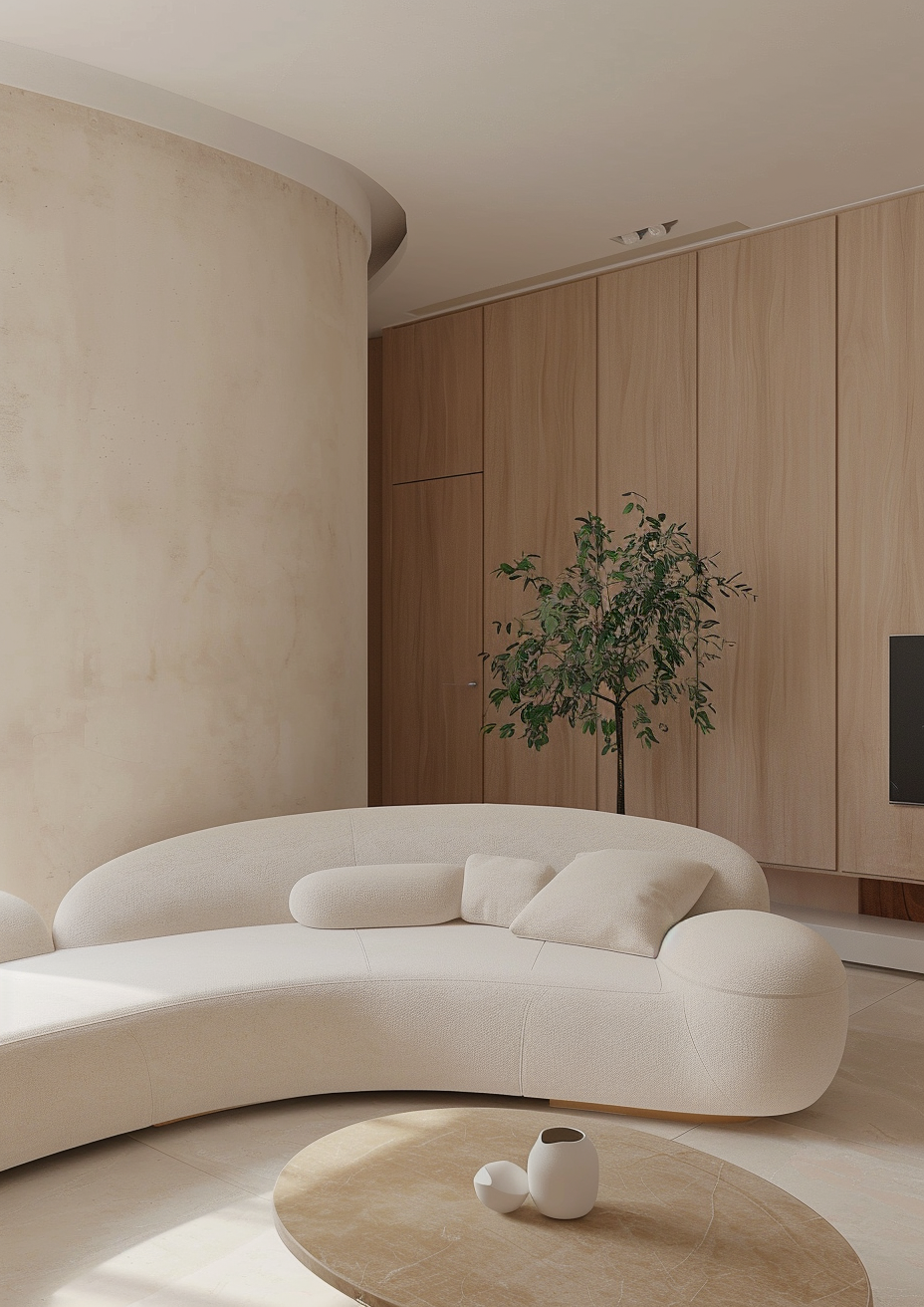
The most common mistake homeowners make is choosing colors that feel exciting on a small paint chip but overwhelming on four walls. Hotels rarely do this. They anchor a room in a warm neutral - think Accessible Beige, Pale Oak, or a soft greige - and then layer texture and depth rather than contrast. A linen sofa against a Repose Gray wall with brass hardware and a chunky wool throw does more for a room than three competing accent colors ever could.
As an architect, the first thing I look at when a client wants that "elevated" feeling is their undertone consistency. Cool whites mixed with warm beiges create visual tension that reads as cheap, even in expensive furniture. Get the undertones aligned first, and everything else becomes easier.
Lighting Is the Real Differentiator
Hotels invest heavily in lighting design, and it shows. The reason a hotel lobby feels luxurious at 9pm is not the furniture - it is the layered light sources. Overhead lighting alone creates a flat, clinical atmosphere. Add a floor lamp in the corner, a table lamp on the console, and under-cabinet lighting in the kitchen, and the room transforms entirely.
Warm bulbs (2700K to 3000K) are non-negotiable for living spaces. Cool daylight bulbs belong in task areas only. This is one of the most impactful and affordable changes you can make, and it takes an afternoon.
The Furniture Edit

Hotels are curated. Every piece earns its place. Take the same approach at home - edit ruthlessly. A room with five considered pieces of furniture will always look more intentional than one packed with ten mismatched ones. Scale matters too: an undersized sofa in a large room is one of the most common design errors I see in residential projects. Measure your space, then buy furniture that actually fits it.
Textiles Do the Heavy Lifting
Walk into any well-designed hotel room and run your hand along the bedding. The quality is deliberate. Textiles are one of the fastest ways to close the gap between a room that looks assembled and one that feels considered. Layering a linen duvet with a heavier throw, adding a chunky knit cushion alongside a smooth velvet one - this contrast in texture is what creates that tactile richness you notice in high-end spaces without always being able to name it.
In my own projects, I treat textiles as the final 20% that accounts for 80% of the emotional impact. A client once told me their bedroom felt cold despite a complete renovation. We changed nothing structural - just swapped out the polyester bedding for linen, added a wool throw, and introduced a jute rug underfoot. The room felt entirely different within a weekend. Textiles are the most forgiving and reversible design tool you have, so use them generously.
The Rule of Negative Space

Hotels understand something that most homeowners resist: empty space is not wasted space. A console table with three objects on it reads as styled. The same console with twelve objects reads as cluttered, regardless of how beautiful each individual piece is. Negative space gives the eye somewhere to rest, and that sense of visual calm is a huge part of what makes a room feel expensive.
This is genuinely one of the hardest things to convince clients of in practice. There is a natural instinct to fill - to justify every surface and corner. But restraint is a design choice, not an oversight. Pick fewer things, display them with intention, and let the space between them do the work.
Scent, Sound, and the Senses Beyond Sight
The most overlooked dimension of hotel design has nothing to do with what you see. Luxury hotels have known for decades that scent and sound are as powerful as any visual element in shaping how a space feels. A signature diffuser in the hallway, a playlist at the right volume in the kitchen, a candle whose scent anchors the living room as distinctly yours - these details work on the nervous system in a way that no paint color or sofa can replicate.
I always ask clients what they want their home to feel like before I ask what they want it to look like. Nine times out of ten, the answer is calm, warm, or welcoming - and those are sensory experiences as much as visual ones. Design the whole atmosphere, not just the surfaces.
Take Notes on Your Travels
The best holiday destinations are also the best design schools in the world - if you pay attention. When you travel, notice the materials used in lobby floors, the way window treatments fall, the height of a bedhead relative to the ceiling. Take photos. These observations are far more useful than any mood board you can build from social media.
The spaces that stay with you after a trip - the ones you think about on the flight home - are rarely about budget. They are about intention. Bring that same intention back to your own four walls, and the five-star feeling will follow.


Comments