


How To Use A Sectional Sofa To Create A Welcoming Conversation Area

Open talk spaces matter a lot when making a house feel cozy. People tend to stay longer where they can sit without pressure, sharing moments that count. Though chairs and sofas come in endless styles, how you place them shapes whether folks lean in or drift apart. Smooth movement around tables, well-placed lamps, even how light hits the walls - each nudges behavior more than expected. What draws voices into rhythm isn’t magic - it’s quiet details working together.
How Seating Layout Affects The Room

Start with how you set up the seats. A sectional sofa shapes the spot where folks meet. It gives room for many, yet wraps around like arms holding the group together. Face each seat so talk happens without turning too much. Let eyes connect, but leave enough air between pieces so it does not squeeze.
People moving through space matter just as much as where things are placed. Walk paths stay clear when seats do not crowd main routes. Comfort comes into play once visitors find their way in, settle in, then shift about without trouble. The right setup makes hanging out and talking feel natural. Function stays strong even while ease and connection improve.
Creating A Comfortable Focal Point
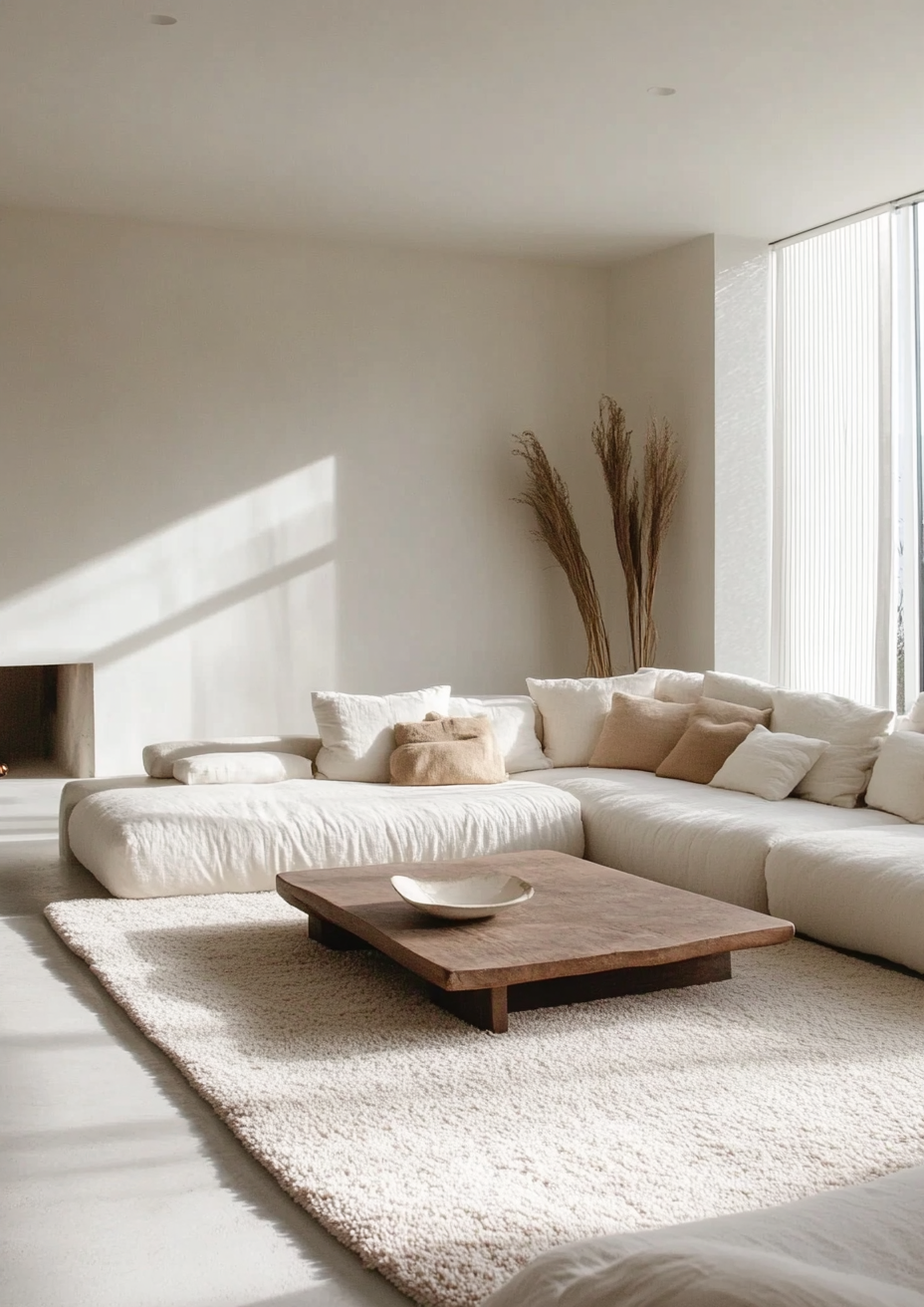
A spot to sit becomes clearer when something grabs the eye at its center. Fireplaces often do this job well, though big windows can play the part just as easily. Art on a wall sometimes pulls everyone's glance, shaping how chairs and sofas settle nearby. Seats arranged with that detail in mind tend to feel right, somehow linked without trying too hard. When pieces lean into one shared anchor, the whole space sticks together better.
Tables near seating add ease to a room. They offer spots for drinks, reading material, or small ornaments. With what you need close by, sitting down feels more natural and talking flows easier. Pieces that work well make gatherings smoother, while still looking good in the space.
Light Shapes How People Engage

Warmth sneaks into corners when lights stay gentle instead of sharp. A harsh glow often pushes people away, whereas calm brightness pulls them in. Overhead lights work better when joined by standing and tabletop ones. Light spreads kindly across the room when these pieces team up. Even daylight hours benefit just as much as nighttime talks.
Sunlight streaming through big windows lifts the feeling of a place. Open curtains invite warmth and clarity into the air. When night falls, lights you can tune keep things calm. Brightness shaped just right makes it easier to talk, to listen, to be. People settle in when the glow feels natural, unforced.
Adding Texture And Personal Touches

Warmth sneaks into a room when textures mix just right. Rugs underfoot, pillows propped loosely, blankets draped nearby - each layer pulls someone in a little deeper. Instead of shouting for attention, these pieces whisper ease. Materials chosen with care keep things looking full but never cluttered. Style stays strong while usefulness settles quietly beside it.
A warm vibe grows when personal items are part of the space. Photos of loved ones sit beside small art pieces that carry stories, bringing life into corners. Much like well-picked mattresses support rest, quiet design choices support calm in common rooms. Little memories placed around let visitors breathe deeper, also brightening daily moments at home.
Maintaining Balance And Openness

Open floor space matters more than you might think. Instead of filling every corner, leaving room between pieces helps the body pass through easily. Furniture grouped too tightly turns a social spot into a squeeze. People drift toward spots where they can stand, shift, or step back without bumping something. Flow shapes how folks behave, often more than color or layout ever could.
Big furniture overwhelms a small room. Tiny items get lost, leaving gaps where comfort should be. A couch here, a chair there - each piece needs breathing room to belong. Balance shifts when proportions align naturally. The way people sit, talk, move - it flows easier when sizes make sense. The room feels settled then, not forced.
A room meant for talking should do more than just hold chairs. Placed right, seats guide how folks sit and share space. Light matters - not too bright, not dim - just enough to soften edges. A mix of textures keeps things grounded, never stiff. Little items like photos or books add familiarity without trying hard. When pieces fit naturally, the result feels lived-in from the start. Comfort grows quietly when nothing shouts for attention. People stay longer where they feel seen but not watched. Details work best when they go unnoticed at first glance.


Comments