


A Designer’s Honest Take on IKEA Kitchen Islands and When They Work

IKEA kitchen islands have a reputation problem. Some people see them as a clever solution. Others worry they’ll look temporary, generic, or poorly planned the moment they’re installed.
The truth sits somewhere in the middle. An IKEA kitchen island can be a smart, functional choice — but only when it’s planned with intention. When it’s dropped into a layout without understanding clearance, scale, or daily use, it becomes the thing everyone bumps into.
In this guide, we’re sharing an honest, designer-led breakdown of IKEA kitchen islands. When they genuinely work, when they don’t, and how to make them feel like a deliberate part of your kitchen rather than a last-minute add-on.
At A Glance
-IKEA kitchen island types and what they’re actually good for
-When an IKEA kitchen island works better than custom
-Common IKEA kitchen island mistakes designers see
-How to size and place an IKEA kitchen island properly
-Which IKEA systems are easiest to adapt
-How to make an IKEA kitchen island feel intentional
1. IKEA Kitchen Island: Why People Choose It in the First Place
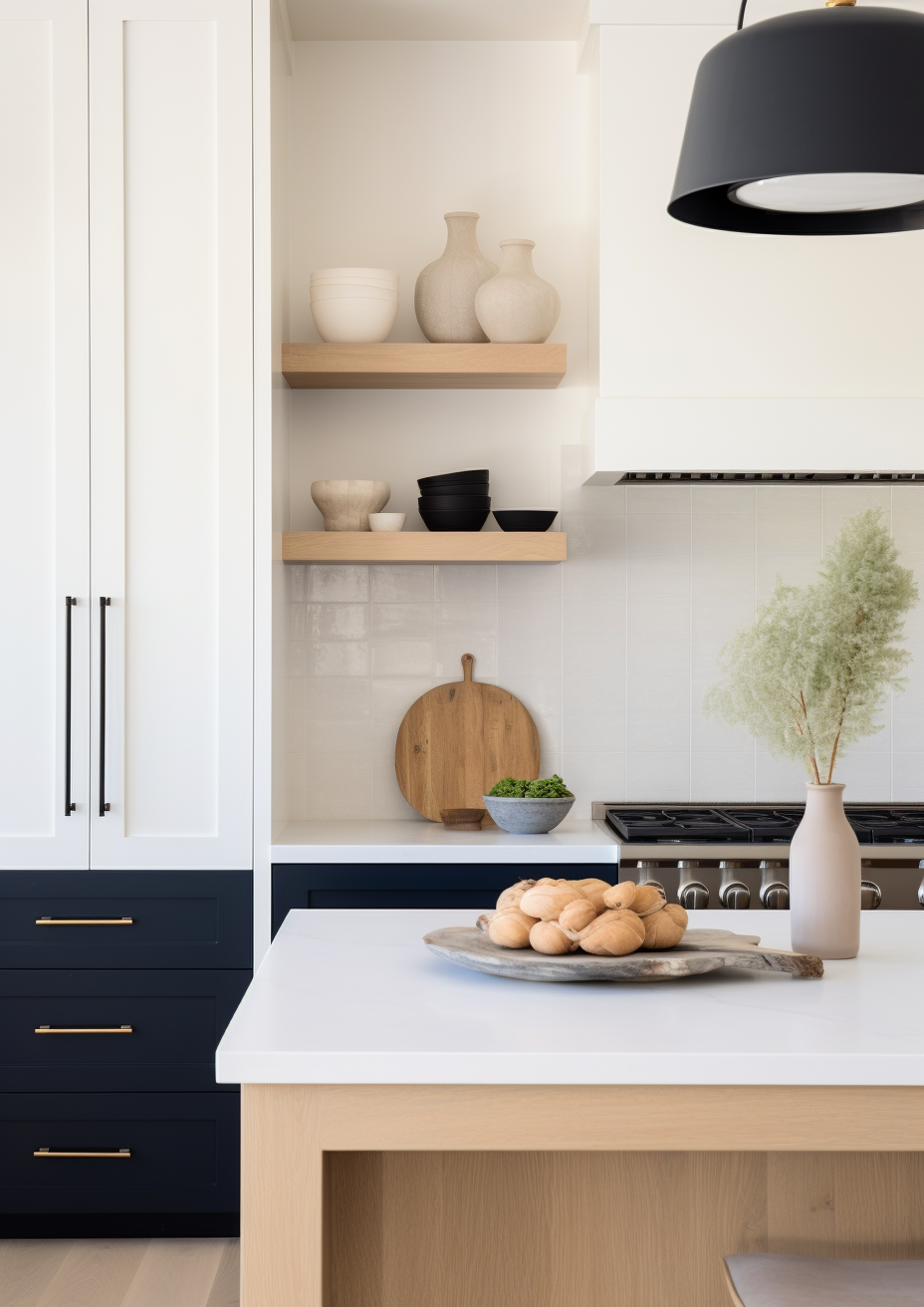
Most homeowners don’t choose an IKEA kitchen island because it’s trendy. They choose it because they need extra storage, prep space, or seating — and custom options often push budgets or timelines too far.
IKEA kitchen islands are modular, predictable, and available immediately. That combination makes them appealing in renovations where flexibility matters. You know the dimensions, you can plan around them, and replacements or additions are straightforward.
Where IKEA performs well is consistency. When you design around its limitations rather than fighting them, it integrates surprisingly well into many kitchens.
Designer Tip: IKEA kitchen islands work best when they solve a clear functional gap, not when they’re added for visual balance alone.
YOU MAY LIKE

2. IKEA Kitchen Island: Understanding the Different Types

Not all IKEA kitchen islands serve the same purpose. Some are designed as mobile prep units, others as fixed cabinetry-based islands using systems like METOD or SEKTION.
Smaller freestanding islands are useful in kitchens where permanent cabinetry would block circulation. Cabinet-based islands suit larger layouts where plumbing, electrics, or seating are involved.
Choosing the wrong type is often where problems begin. A mobile island used like a fixed one quickly feels undersized. A fixed island placed where flexibility is needed becomes restrictive.
Designer Tip: Decide whether your island needs to move, store, seat, or anchor the layout — then choose the system that supports that role.
3. IKEA Kitchen Island: The Clearance Mistake That Ruins Layouts

The most common issue with an IKEA kitchen island is not the island itself — it’s the space around it. Because IKEA modules come in fixed sizes, people often squeeze them into layouts that technically fit but don’t function well.
You need space to walk, open appliances, pull out stools, and pass behind someone seated. When those clearances are ignored, the island feels like an obstacle rather than an asset.
This is where designers slow the process down. We plan movement before placement, every time.
Designer Tip: If you can’t maintain comfortable clearance on all working sides, an IKEA kitchen island is not the right solution for that layout.
Let’s Map Out Your Space Together
If you're planning a makeover and want a designer’s eye on how stick on tiles could work in your home, we’d love to help you visualise the transformation. Book a free 30-minute consultation and let’s sketch out a layout that feels tailored to your space.
4. IKEA Kitchen Island: When It Works Better Than Custom

This might surprise you, but there are situations where an IKEA kitchen island works better than a custom one. Rental-friendly homes, phased renovations, and kitchens that may evolve over time benefit from IKEA’s flexibility.
Because IKEA components are modular, changes are easier. Adding drawers, replacing doors, or reconfiguring storage doesn’t require starting over. In homes where future layout changes are likely, this adaptability is a real advantage.
Designer Tip: If your kitchen is likely to change within five years, IKEA often makes more sense than fixed custom cabinetry.
5. IKEA Kitchen Island: Seating Changes Everything

Adding seating turns an IKEA kitchen island into a social and functional hub — but it also introduces more planning variables. Overhang depth, stool height, and circulation behind seating become critical.
Many IKEA islands need modification to accommodate comfortable seating. This might mean extending worktops or choosing configurations that allow knee space.
When done properly, seating makes the island more usable than a dining table for daily routines.
Designer Tip: Never assume IKEA islands are seating-ready out of the box — always check overhang and legroom.
6. IKEA Kitchen Island: Storage Planning Makes or Breaks It

Storage is where IKEA kitchen islands shine — if planned properly. Deep drawers, internal organisers, and predictable cabinet sizes make everyday kitchen storage efficient.
The mistake happens when seating is prioritised so heavily that storage becomes compromised. A good island balances both.
Designers often allocate one side purely to storage and the other to seating or prep to keep functionality intact.
Designer Tip: Treat your IKEA kitchen island as working cabinetry first, seating second.
Your Renovation, Simplified
If you’re diving into a big home update, our Ultimate Renovation Planner can make the entire process far easier. From material planning to budgeting, it’s designed to keep your project organised while helping you visualise every detail. Explore the planner and plan your makeover with clarity.
7. IKEA Kitchen Island: Making It Feel Intentional

One concern people have with an IKEA kitchen island is that it might look temporary or generic. That usually comes down to integration, not the product itself.
When finishes match surrounding cabinetry, worktops align, and lighting is planned properly, IKEA islands blend seamlessly. When they’re visually disconnected, they stand out for the wrong reasons.
Intentional placement and finish selection matter more than brand.
Designer Tip: Match worktop thickness and cabinet lines to surrounding units for a cohesive look.
8. IKEA Kitchen Island: Lighting Is Often Overlooked

Lighting over an IKEA kitchen island needs the same attention as lighting over a custom one. Pendants should align with island length and seating positions, not just the centre of the room.
Poorly placed lighting exaggerates the island’s modular nature. Thoughtful lighting helps it feel like part of the architecture.
Designer Tip: Align pendants with seating or prep zones, not just the island footprint.
9. IKEA Kitchen Island: When You Should Skip It Entirely

There are kitchens where an IKEA kitchen island simply doesn’t belong. Narrow galley layouts, heavy traffic zones, or kitchens that already struggle with storage often suffer when an island is added.
In those cases, peninsulas or extended worktops usually perform better.
Designer Tip: If an island blocks your main circulation path, it’s the wrong solution regardless of brand.
10. IKEA Kitchen Island: Designing for How You Live

The best IKEA kitchen island designs reflect real routines. Morning coffee, working from home, cooking with others, or hosting friends all influence layout decisions.
When the island supports those habits, it earns its place. When it’s designed for looks alone, it becomes background furniture.
Designer Tip: Design your IKEA kitchen island around daily habits, not occasional scenarios.
Conclusion
An IKEA kitchen island can be a smart, flexible, and highly functional addition — when it’s planned properly. It’s not about whether IKEA is good or bad. It’s about whether the island is working with your space rather than against it.
Clearances, storage, seating, and circulation matter more than finishes or trends. When those fundamentals are right, an IKEA kitchen island can quietly become one of the most useful parts of the kitchen.
FAQ: IKEA Kitchen Island
Is an IKEA kitchen island good quality?
IKEA kitchen islands offer reliable quality when installed correctly and used within their intended limits.
Can you add seating to an IKEA kitchen island?
Yes, but seating often requires planning for overhangs and clearance rather than relying on standard configurations.
Are IKEA kitchen islands suitable for small kitchens?
They can work in small kitchens if clearances are respected and the island doesn’t block circulation.
Can IKEA kitchen islands look custom?
With careful planning, finishes, and lighting, IKEA kitchen islands can blend seamlessly into the overall kitchen design.
Start Your Dream Home Transformation
Our online design packages were created to make the entire process smoother, clearer, and far more enjoyable — no stress, no second-guessing. Whether you’re refreshing one room or reimagining your whole home, we guide you every step of the way with layouts, visuals, and a fully personalised design plan.
See our interior and exterior design packages to get started.
Author Bio
Beril Yilmaz is the founder of BY Design And Viz, an online interior and exterior design studio focused on layouts that work beautifully in real life. With a background in architecture and a sharp eye for proportion and flow, she helps homeowners make confident design decisions that support how they actually live, move, and use their spaces.


Comments