


This Is Why the Indigo Colour Will Always Feel Timeless in Interior Design

Indigo has a quiet power — it’s bold yet calming, dramatic yet deeply soothing. Somewhere between blue and violet, this rich hue has been used for centuries, from handcrafted textiles to contemporary interiors. But in modern design, the indigo colour has re-emerged as a sophisticated statement: deep, grounded, and endlessly versatile.
Whether you’re drawn to coastal blues, moody modern tones, or serene minimalist spaces, indigo offers depth without heaviness. It’s a colour that connects emotion and elegance — making any room feel both enveloping and refined.
In this guide, you’ll learn how to use indigo colour in your home, the tones it pairs with best, and why this deep shade feels timeless in today’s interiors.
At a Glance
• The indigo colour brings timeless depth, sophistication, and balance
• Works beautifully with neutrals, woods, brass, and natural fabrics
• Creates both modern contrast and heritage-inspired elegance
• Perfect for walls, upholstery, cabinetry, and decor accents
• Adapts to any style — organic modern, coastal, or contemporary classic
1. Indigo Colour: Understanding Its Unique Depth

The indigo colour sits perfectly between blue and violet, combining the cool stability of blue with the creative energy of purple. This duality gives it a distinctive emotional pull — calm yet luxurious, traditional yet modern.
Unlike navy, which can read quite corporate, indigo carries a soft complexity. It changes with light — appearing rich and moody in dim settings, yet fresh and vibrant in daylight. This flexibility makes it a favourite for both modern and classic homes.
Historically derived from natural dye, indigo has a handcrafted quality that connects beautifully with organic materials like linen, jute, or stone. It feels both global and grounded — the kind of colour that tells a story without trying too hard.
2. Indigo Colour: How to Use It on Walls

Using the indigo colour on walls instantly creates mood and intimacy. It’s ideal for statement rooms — think living rooms, dining spaces, or bedrooms that need warmth and definition.
If you’re painting a full room, pair indigo with crisp white ceilings or soft ivory trims to keep the space open. In smaller rooms, it can make walls appear further away, enhancing depth and drama rather than shrinking the space.
For something subtle, use indigo on a single accent wall or behind a headboard. The effect is rich and cocooning without overwhelming. Pair with warm metals like brass or antique gold for contrast.
Want to explore how deep colour can transform your space?
Book a 1:1 Online Design Consultation with BY Design And Viz to see how shades like indigo can bring warmth and balance to your home.
3. Indigo Colour: Best Pairings for Modern Interiors

The beauty of the indigo colour lies in how effortlessly it pairs with other tones. It bridges warm and cool palettes — versatile enough to work in minimal, organic, or even industrial spaces.
Here’s how to style it beautifully:
With warm neutrals: Pair indigo with ecru, camel, or taupe for a sophisticated, layered look.
With cool tones: Combine it with grey or soft white for a crisp, architectural finish.
With metallics: Brass and brushed gold bring warmth; chrome or black metal highlight contrast.
With natural materials: Wood, stone, linen, and leather balance indigo’s intensity with texture and tactility.
In essence, indigo plays well with any palette that prioritises harmony and calm — it’s never loud, just quietly confident.
4. Indigo Colour: Incorporate It Through Upholstery and Fabrics

If painting walls feels too bold, bring the indigo colour into your home through soft furnishings. It works beautifully in fabrics, from velvets and linens to natural-dyed cottons.
A deep indigo sofa or armchair adds sophistication to a neutral living room, while indigo-toned cushions and throws can refresh a space without commitment. In organic modern interiors, handwoven textiles in indigo create contrast against beige or white walls — a look that feels crafted and intentional.
Even small touches — like an indigo patterned rug or art print — can anchor a room, grounding airy schemes and tying disparate colours together.
5. Indigo Colour: Perfect for Kitchens and Cabinetry
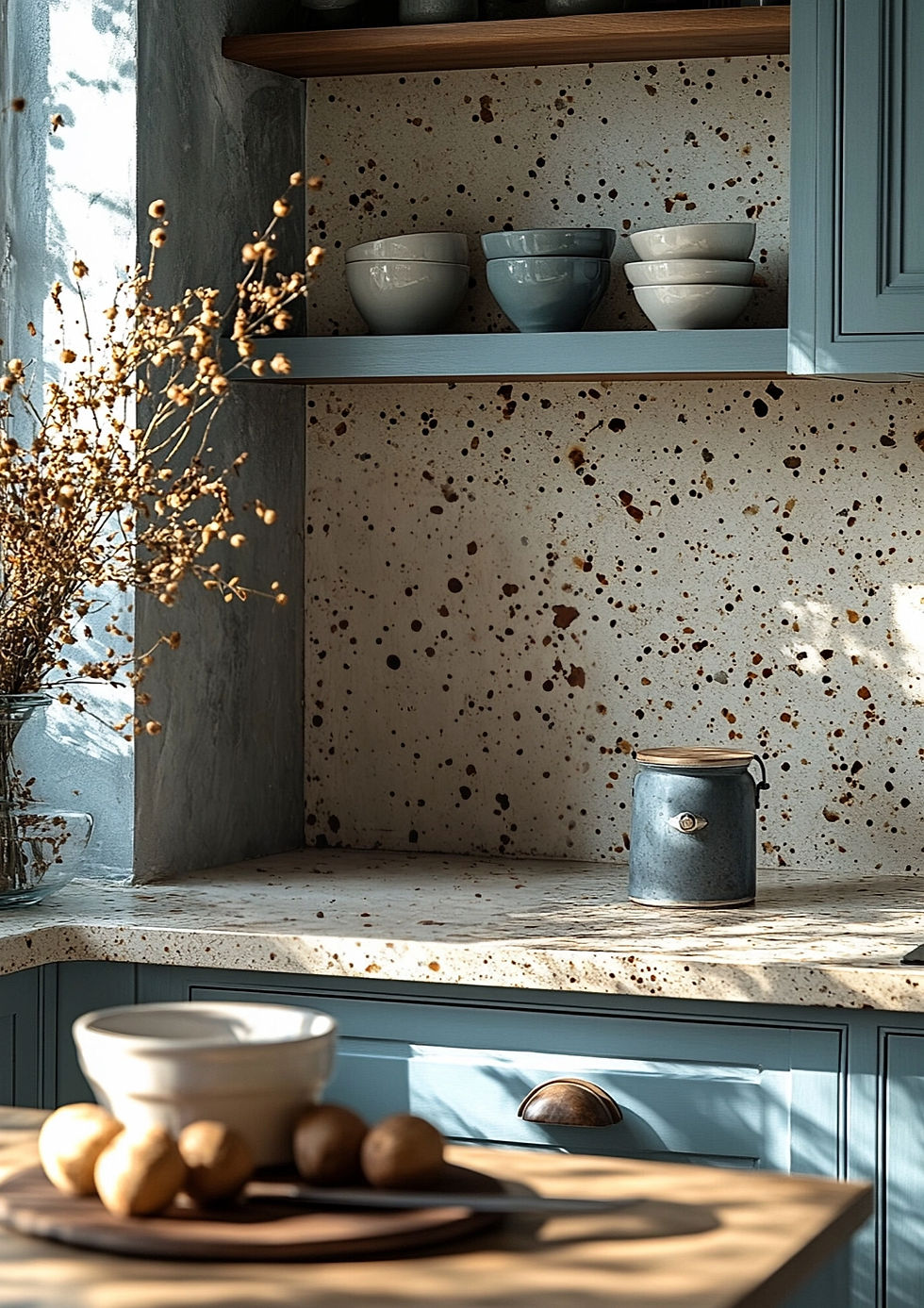
In the kitchen, indigo colour cabinetry can feel luxurious yet natural — less expected than navy, but just as timeless.
Pair indigo cabinets with white or marble worktops for a classic look, or combine them with warm oak and brass for a rich, layered feel. In modern homes, matte indigo with brushed hardware gives a soft, understated depth that works across open-plan spaces.
Because indigo carries warmth and coolness equally, it transitions seamlessly between daylight and evening — giving your kitchen character around the clock.
Thinking of refreshing your kitchen or cabinetry colour?
Explore a BY Design And Viz interior design packages for tailored palette advice and timeless combinations inspired by designer homes.
6. Indigo Colour: Use It in Bedrooms for Calm and Comfort

Bedrooms thrive with the serenity that indigo colour provides. It’s naturally restful, evoking night skies and still waters — perfect for spaces dedicated to relaxation.
Paint an indigo wall behind your bed or introduce the hue through bedding and drapery. Mix in soft neutrals like oatmeal, ivory, or warm beige to keep the scheme from feeling too heavy.
For a subtle luxury, add velvet cushions or linen throws in varying indigo tones. Layer lighting — wall sconces, pendants, and bedside lamps — to accentuate the texture and depth of the colour.
7. Indigo Colour: Bring It to Life Through Art and Accessories

If you prefer neutral walls, the indigo colour can still take centre stage through accessories and art. Abstract indigo prints, ceramic vases, or hand-dyed fabrics introduce rhythm and tone into minimalist interiors.
In organic modern design, indigo artwork pairs beautifully with raw materials like stone, plaster, and wood. The result is a space that feels both composed and alive — grounded but expressive.
Consider layering indigo with other deep hues like charcoal, rust, or forest green for dimension and sophistication.
8. Indigo Colour: How to Balance It in Small Spaces

Contrary to popular belief, darker hues like the indigo colour can make small spaces feel more expansive. When used strategically, they create visual depth that pushes walls outward.
In compact living rooms or bathrooms, paint all walls in the same tone for an enveloping, seamless effect. Pair with mirrors, metallic lighting, and lighter flooring to reflect balance.
Gloss or satin finishes can also enhance reflection and add an elegant glow to smaller rooms.
9. Indigo Colour: Perfect Palettes Designers Love

Designers often use the indigo colour as the anchor for timeless schemes. Here are three combinations that always work:
Indigo and White: Crisp, coastal, and clean — ideal for fresh modern interiors.
Indigo and Ecru: Soft, textural, and elevated — a luxurious balance of warmth and coolness.
Indigo and Blush: A gentle mix that adds femininity without sweetness.
Each pairing creates a different mood, proving that indigo’s depth and versatility make it endlessly adaptable.
10. Indigo Colour: Why It Feels Timeless

The indigo colour endures because it captures duality — modernity and heritage, structure and softness, calm and drama.
Its origins in natural dyeing give it authenticity; its adaptability in modern design gives it longevity. Whether it’s an accent wall, a velvet sofa, or ceramic tableware, indigo never feels trendy — only timeless.
Like the ocean and the night sky, it creates spaces that feel immersive and grounded — the ultimate mark of enduring design.
Conclusion
Few colours balance emotion and elegance like indigo. It’s rich without being overwhelming, bold without being brash, and endlessly versatile across styles and materials.
From cabinetry and upholstery to walls and artwork, using the indigo colour allows you to bring quiet luxury and calming depth into your home. Its beauty lies in balance — pairing perfectly with earthy neutrals, warm metals, and natural textures.
This is a colour that grows with you — adapting, grounding, and elevating every space it touches.
FAQ
1. What colour goes best with indigo?
Indigo pairs beautifully with warm neutrals like ecru, beige, and ivory, as well as with crisp white and brushed gold accents.
2. Is indigo suitable for small rooms?
Yes. When used on all walls, the indigo colour creates a cocooning effect that can make small rooms feel more spacious and refined.
3. Is indigo warm or cool?
It’s a balanced mix of both — with blue undertones for coolness and a touch of red-violet for subtle warmth, making it adaptable to any palette.
4. What design styles work best with indigo?
Indigo complements organic modern, coastal, Japandi, and contemporary interiors, offering timeless elegance and a grounding effect.
Ready to bring timeless depth and elegance into your home? You’ll receive expert palette guidance, curated materials, and a cohesive design vision tailored to your space.
Author Bio
Written by Beril Yilmaz, founder of BY Design And Viz — a UK-based interior designer specialising in warm, layered, and timeless spaces. Beril’s work blends natural materials and thoughtful colour palettes to create homes that feel grounded, elegant, and effortlessly balanced.


Comments