


SW Pure White vs BM White Dove: The Comparison That Actually Helps You Decide

Updated: Sep 8
Pure White and White Dove are two of the most frequently compared warm whites in residential design — one from Sherwin Williams, one from Benjamin Moore, both popular enough to appear on almost every designer shortlist when the brief is a clean, inviting, not-too-white white. On a paint chip they look almost identical: both are soft, restrained warm whites with an LRV difference of just one point. On a wall in a real room they create noticeably different atmospheres — and understanding why is the difference between a room that feels exactly right and one that reads slightly off in a way that is hard to identify.
The difference comes down to undertone. Pure White sits close to neutral — its warmth is extremely restrained, almost imperceptible, which gives it a clean, versatile quality that crosses easily between warm and cool palettes. White Dove is clearly warm — its grey-cream undertone commits to warmth and creates an enveloping, settled quality that Pure White cannot match. Same LRV range, completely different character on a wall.
This guide covers exactly how Pure White and White Dove differ in undertone, LRV, light behaviour, and room application — with a clear verdict on which one to choose and when.

At a Glance
| Pure White SW 7005 | White Dove OC-17 |
Brand | Sherwin Williams | Benjamin Moore |
LRV | 84 - bright, close to true white | 83 - very similar, one point deeper |
Undertones | Near-neutral with very faint warm quality | Warm grey-cream - quietly but clearly warm |
Character | Clean, crisp, versatile - crosses warm and cool | Warm, settled, quietly enveloping |
North-facing | Excellent - near-neutral never reads yellow | Excellent - grey-cream holds warmth without pushing yellow |
South-facing | Beautiful - crisp and luminous | Beautiful - warm without tipping cream |
On cabinets | Crisp, clean, works with any palette | Warm, classic, suits warm and transitional kitchens |
Trim colour | Works as trim for almost any wall colour | Extra White SW or Chantilly Lace BM for crisper contrast |
Use together? | Yes - Pure White trim with White Dove walls is a classic pairing | Yes - see above |
Style fit | Contemporary, transitional, coastal, minimal | Traditional, transitional, organic modern |
Architect's pick | When the palette is mixed or uncertain | When warmth is the explicit brief |
SW Pure White SW 7005 - What It Really Looks Like
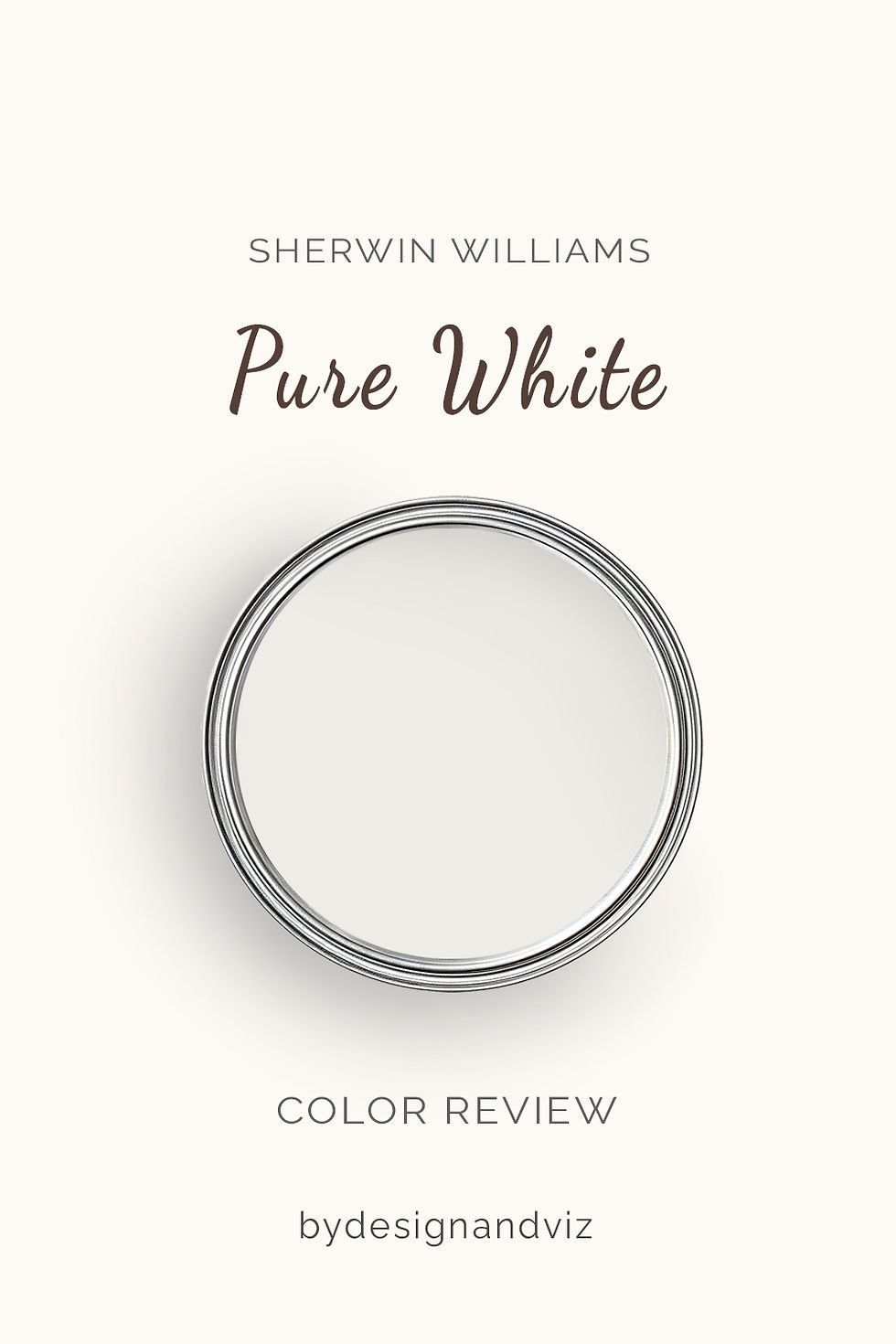
Pure White has an LRV of 84 and an undertone that sits very close to neutral. There is the faintest warm quality — just enough to prevent it reading cold or clinical — but it is so restrained that in most rooms most people register Pure White simply as a clean, bright white rather than as a warm white. That near-neutrality is its defining characteristic and its greatest practical strength.
Pure White is the most versatile trim colour in the Sherwin Williams range. Because it sits so close to neutral it works alongside warm wall colours, cool wall colours, and mixed palettes without creating undertone conflict. It is the white I reach for when I am not certain which direction a palette is going to settle — it bridges warm and cool more naturally than any other SW white at this LRV.
On walls Pure White creates a bright, clean, open atmosphere. It reads as white rather than off-white — the near-neutral undertone prevents it having the warmth and body of White Dove. In rooms with cool-toned materials or a contemporary brief, Pure White is the better wall choice. In rooms where warmth is specifically required on the walls, White Dove delivers more.
For the comparison of Pure White against BM Chantilly Lace — the crisp near-neutral BM white at LRV 92 that sits 8 points above Pure White with a faint cool lean — the Chantilly Lace vs Pure White guide covers that cross-brand crisp-white distinction in full.
BM White Dove OC-17 - What It Really Looks Like

White Dove has an LRV of approximately 83 — just one point below Pure White, a difference that is barely visible on a wall. The undertone is where everything changes. White Dove has a warm grey-cream blend that reads as quietly but clearly warm. It is not obviously creamy or buttery — the grey component prevents it tipping in that direction — but it is warm enough that you feel it immediately in a room, particularly in the evening under artificial lighting.
White Dove is a warm white that does not announce itself. Its warmth is delivered with restraint — present and genuine but never dominant. This is why it works across such a wide range of interior styles: it brings warmth to contemporary spaces without making them feel traditional, and it brings a clean quality to traditional spaces without making them feel cold. For the full picture on what pairs with it, the White Dove coordinating colors guide covers every combination.
On cabinets White Dove is outstanding — one of the most reliably beautiful cabinet whites in residential design. The grey-cream undertone gives it a clean, timeless quality that suits farmhouse, traditional, and transitional kitchens equally. It is also one of BM's most consistent performers in north-facing rooms — the grey component prevents it from reading yellow in cool indirect light in a way that a more committed warm white cannot manage.
The Real Difference Between Pure White and White Dove
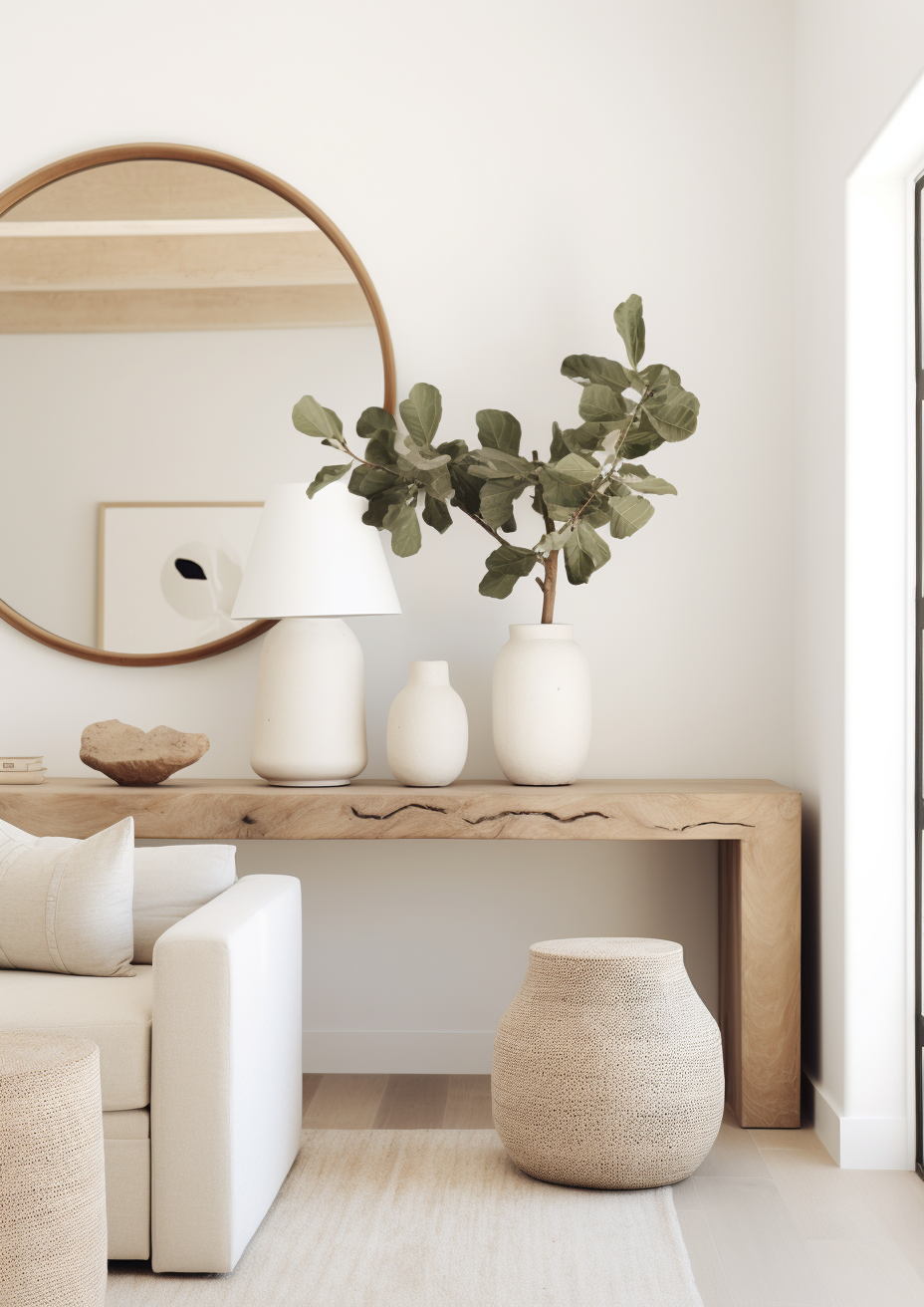
Pure White is a near-neutral white. White Dove is a warm white. That single distinction covers most of the practical difference between them.
Side by side, Pure White looks almost cool by comparison — not actually cool, but noticeably more neutral than White Dove's clear warmth. White Dove reads as warm immediately. Put them on opposite walls and the difference is unmistakeable. Put them both in a room with warm wood and brass hardware and White Dove ties into the palette; Pure White provides a clean, bright contrast.
Pure White works best when the palette is mixed or uncertain — when some of the room's materials are warm and others are cool, and the white needs to bridge both without committing to either direction. It is the more broadly versatile of the two and the safer specification when the material context is unclear.

White Dove works best when warmth is specifically required — when the room's brief is warm, settled, and enveloping and the white needs to contribute to that rather than simply stay out of the way. It is the more beautiful of the two in a room built around warm materials, but it needs that context to perform at its best.
The cross-brand trim question is one that comes up constantly. Pure White SW on trim with White Dove BM on walls is a well-established and effective pairing. The near-neutral quality of Pure White provides clean, bright definition alongside White Dove's warmth without the trim reading cold. It is a slightly crisper result than using White Dove on both. For how White Dove performs alongside other BM whites as trim, the Chantilly Lace vs White Dove guide covers that comparison directly.
When to Choose Pure White
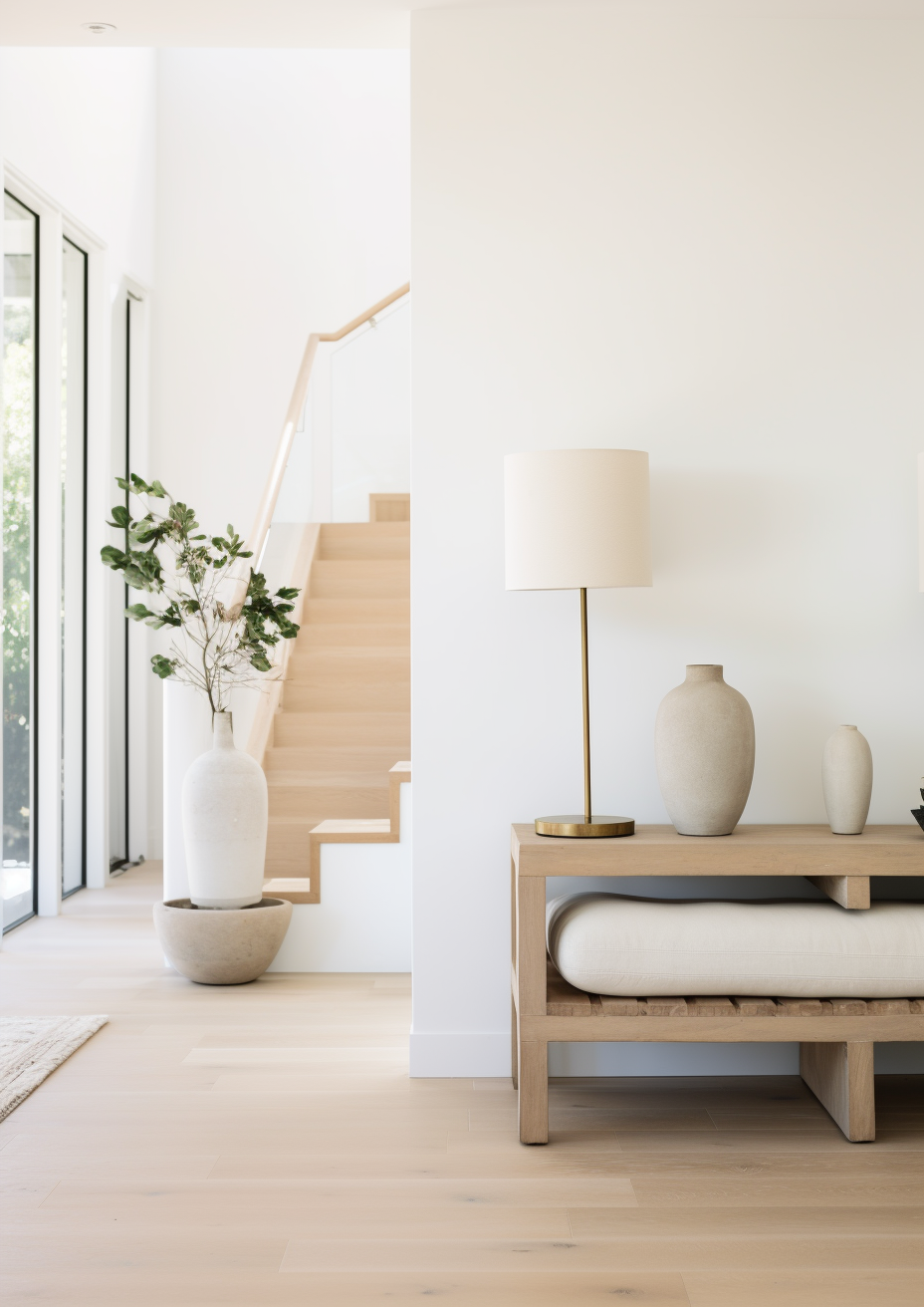
Choose Pure White when the palette is mixed, uncertain, or contemporary. Rooms where some materials are warm and others are cool — Pure White bridges both without committing to either direction. Contemporary and minimal interiors where a near-neutral white keeps the scheme clean and edited. Any room where you have tried a warmer white and found the undertone creating conflict with cool-toned materials. Exteriors — Pure White is one of the most reliable exterior whites in the SW range precisely because it handles the full spectrum of outdoor light conditions without reading yellow or cream.
Avoid Pure White when warmth is specifically the brief. If the room's materials are all warm and the goal is an enveloping, settled atmosphere — Pure White will feel slightly flat and impersonal by comparison. White Dove delivers that warmth; Pure White does not.
When to Choose White Dove

Choose White Dove when warmth is specifically the brief. Traditional, transitional, and organic modern interiors where a warm, settled atmosphere is part of the design intent. Rooms with warm wood, warm stone, and brass or aged bronze hardware where the white needs to tie into the warm palette rather than provide neutral contrast. North-facing rooms — White Dove handles cool indirect light exceptionally well.
White Dove is also the better choice for trim and woodwork in most warm schemes. Its grey-cream warmth provides a clean boundary alongside warm wall colours without the crispness of a near-neutral white, and it ties into the palette in a way that Pure White's near-neutrality does not. For how White Dove works as a trim colour alongside a range of wall colours, the White Dove coordinating colors guide is the most complete reference.
How the Pairings Differ

For Pure White on walls, almost any trim works — the near-neutral undertone does not conflict with warm or cool trim choices. Alabaster SW on trim creates a warm-white tonal scheme. White Dove BM on trim creates a slightly warmer result. Chantilly Lace BM provides a bright, crisp contrast.
For White Dove on walls, Pure White or Extra White SW on trim gives clean, bright definition. White Dove on both walls and trim is one of the most popular whole-house choices in BM's range — the tonal warmth is enveloping and sophisticated. Chantilly Lace on trim provides a crisper contrast. For the Simply White vs White Dove trim question, the Simply White vs White Dove guide covers that directly.
For flooring, both colours work with warm wood tones. White Dove needs warm floors more than Pure White does — the grey-cream undertone can create a slightly flat quality alongside cool stone or tile. Pure White handles a wider range of floor finishes without undertone conflict.
For hardware, both colours suit aged brass and brushed gold. Pure White also works very comfortably with brushed nickel, matte black, and polished chrome — the near-neutral undertone does not conflict with cool metals. White Dove is slightly less comfortable with very cool hardware finishes — the warm undertone can create a subtle tension with polished chrome in particular.
Architect's Verdict - Pure White or White Dove?

For most homes — particularly those with mixed material palettes, contemporary interiors, or any uncertainty about which direction the scheme is going — Pure White is the more broadly reliable and versatile choice. Its near-neutral quality means it flatters almost every context without creating undertone problems. It is harder to get wrong.
White Dove is the right choice when warmth is specifically the brief — and when the room's materials and light conditions can support it. In a well-lit traditional living room with warm wood, warm stone, and warm hardware, White Dove is more beautiful than Pure White. The warmth reads as intentional and the colour has a settled, enveloping quality that near-neutral Pure White simply cannot deliver.
The test I always use: hold large samples of both in your room in morning light and under your evening lighting. If White Dove looks warm and settled in both conditions, choose White Dove. If it reads slightly heavy or yellow under your artificial light, Pure White is your answer.
Frequently Asked Questions
Is Pure White the same as White Dove?
No — they are from different brands and have completely different undertones. Pure White is Sherwin Williams with a near-neutral, barely-warm undertone. White Dove is Benjamin Moore with a clearly warm grey-cream undertone. The LRV difference is just one point, but the character difference on a wall is immediately visible.
Can I use Pure White on trim with White Dove on walls?
Yes — this is a well-established cross-brand pairing. Pure White's near-neutral undertone provides clean, bright definition alongside White Dove's warmth without the trim reading cold or clinical. It is a slightly crisper result than using White Dove on both surfaces and works particularly well in transitional schemes.
Which is better for kitchen cabinets?
White Dove is the more characterful cabinet choice in warm kitchens. Its grey-cream warmth pairs beautifully with warm stone countertops and brass hardware. Pure White on cabinets creates a cleaner, crisper result — better for contemporary kitchens with mixed or cool-toned materials. The choice follows the kitchen's palette.
Which is better for a north-facing room?
Both handle north-facing light well — but for different reasons. Pure White's near-neutral undertone never reads yellow in cool indirect light. White Dove's grey component prevents its warmth from pushing yellow in cool light. Either works in north-facing rooms. If the room is very dark, Pure White's slightly higher LRV gives it a marginal advantage.
What is the LRV of Pure White vs White Dove?
Pure White is LRV 84 and White Dove is LRV approximately 83. That one-point gap is essentially invisible on a wall — both read as bright warm whites at the lighter end of the off-white range. The meaningful difference between them is entirely in the undertone, not the reflectance.
Final Thought
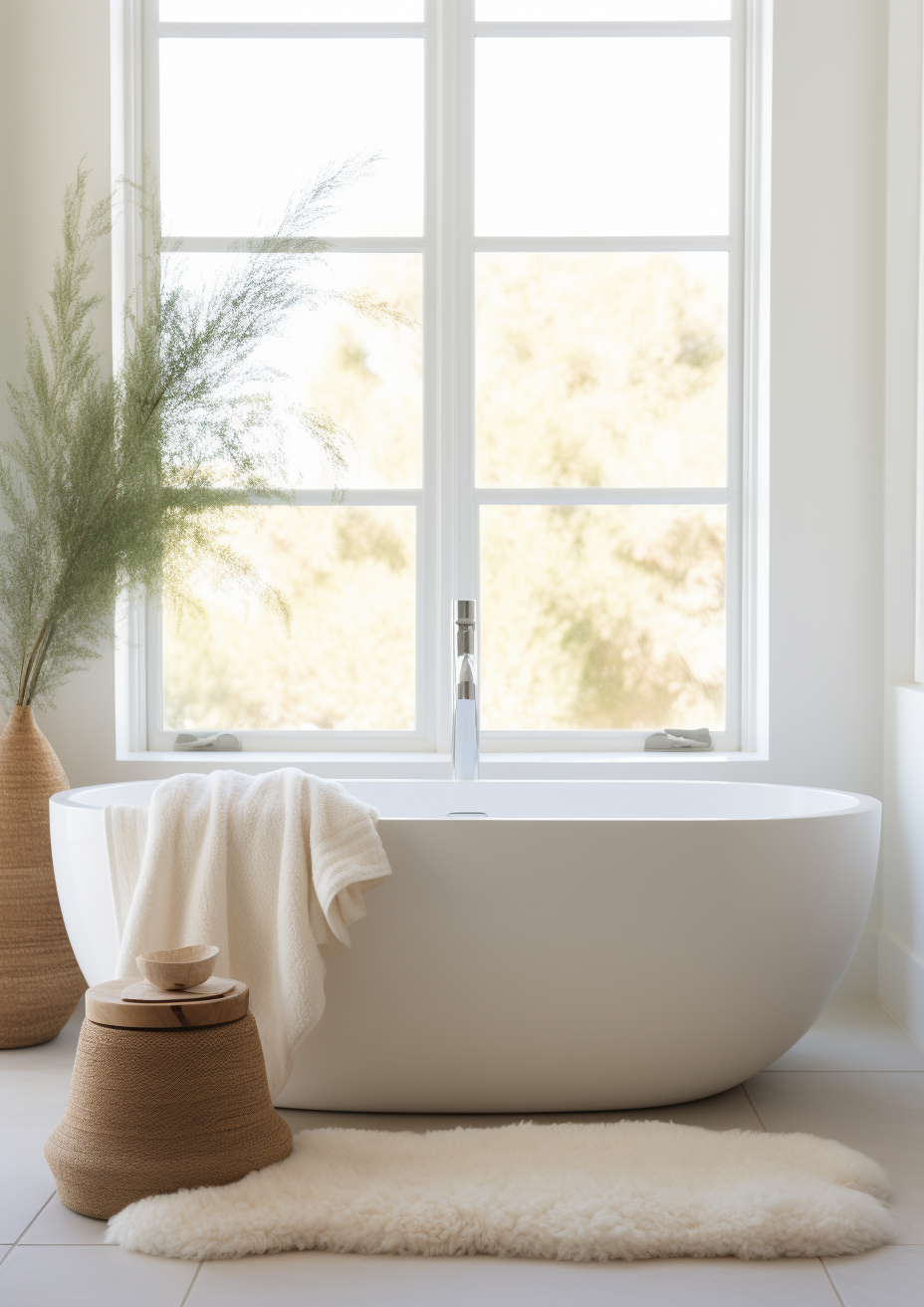
Pure White and White Dove are both excellent whites. The choice between them is not about which is better — it is about which one your room, your palette, and your brief can support.
If your palette is mixed, your materials include cool-toned finishes, or you want the most versatile white in the SW range — Pure White. If your brief is warmth, your materials are warm throughout, and you want the white to contribute to that atmosphere rather than simply stay neutral — White Dove.
Buy sample pots of both, paint large patches side by side in your room, and look at them across a full day. The answer will be clear within 24 hours.
Want a complete colour scheme built around Pure White or White Dove? Our design packages cover full palette selection, finish recommendations, and 3D visualisations - see our packages. |
About the Author
Beril Yilmaz is a qualified architect and interior designer based in the UK. She runs BY Design And Viz, a design platform covering paint colour reviews, interior design guidance, and residential design projects. Beril has applied both Sherwin Williams Pure White and Benjamin Moore White Dove across residential projects in the UK and internationally — often on the same project, on different surfaces.



Comments