


SW West Highland White vs Shoji White: The Comparison That Actually Helps You Decide

These two get compared constantly. West Highland White and Shoji White both sit in Sherwin Williams' warm off-white family, both appear on designer shortlists for soft neutral interiors, and on a chip they look close enough that most people assume the choice is minor. On a wall in your specific room, they behave quite differently.
I have used both on projects and the choice is never arbitrary. Here is exactly how I tell them apart and how I decide which one a room actually needs.

At a Glance
| West Highland White SW 7566 | Shoji White SW 7042 |
LRV | 84 - bright warm white, similar to Greek Villa | 74 - noticeably deeper, proper off-white |
Undertones | Warm yellow-beige - clean, sunny, direct warmth | Warm beige-greige - complex, earthy, muted |
Character | Brighter, cleaner, more obviously warm white | Deeper, more complex, closer to a warm neutral |
North-facing | Good - yellow warmth counters cool light | Good - complex undertone stays balanced |
South-facing | Beautiful - luminous and sunny | Can pull slightly greige - test carefully |
On cabinets | Clean, warm, fresh result | Sophisticated, earthy, characterful result |
Trim colour | Pure White or Extra White | Pure White or Alabaster SW 7008 |
Style fit | Coastal, farmhouse, organic modern, traditional | Traditional, transitional, warm contemporary |
Architect's pick | When you want a bright, sunny warm white | When you want a warmer, more complex off-white with depth |
SW West Highland White SW 7566 - What It Really Looks Like

West Highland White has an LRV of 84 and a clean yellow-beige undertone. It sits in the same brightness range as Greek Villa — sunny, luminous, and clearly warm without tipping into obviously buttery territory. It reads as a proper warm white with brightness and openness.
West Highland White is a warm white that commits to brightness. In south-facing rooms with good natural light it is one of the most beautiful warm whites available — clean, fresh, and warm simultaneously. In north-facing rooms the yellow undertone holds its warmth well without reading as obviously yellow.
On cabinets it creates a clean, warm, fresh result — slightly more airy than Shoji White and better suited to contemporary and coastal kitchens. For how it compares to Alabaster, the Creamy vs Alabaster guide gives useful context on where these bright warm whites sit in the SW range.
SW Shoji White SW 7042 - What It Really Looks Like

Shoji White has an LRV of 74. That 10-point gap below West Highland White is clearly visible on a wall — Shoji White has genuine body and depth. It sits closer to a warm neutral than a warm white, and it reads as an off-white with real character rather than a bright white with warmth.
Shoji White is an off-white that does not announce itself. Its beige-greige undertone is complex — warm without being obviously yellow, earthy without being muddy. In warm natural light it is one of the most sophisticated off-whites available. In very cool conditions the greige component can surface and the colour reads slightly heavier than intended.
On cabinets Shoji White creates a characterful, earthy result — particularly beautiful in traditional and transitional kitchens with warm stone and brushed brass. For how Shoji White compares to Alabaster — the most commonly compared SW off-white — the Alabaster vs Shoji White guide covers that comparison directly.
For the cross-brand comparison of Shoji White against BM Simply White - one of the largest LRV gaps in any white comparison - the Simply White vs Shoji White guide covers the brightness difference and why they belong to completely different color categories.
The Real Difference Between West Highland White and Shoji White

West Highland White is a bright warm white. Shoji White is a deeper warm off-white. That 10-point LRV gap is the whole story.
West Highland White rooms feel open, airy, and sunny — the warmth is delivered with brightness and freshness. Shoji White rooms feel settled, earthy, and considered — the warmth has depth and complexity that West Highland White cannot match.
West Highland White works best when brightness and warmth are both required — south-facing rooms, coastal spaces, kitchens where the brief is clean and fresh. Shoji White works best when the brief is warm and sophisticated rather than warm and bright — traditional living rooms, bedrooms, any room where you want the walls to have presence rather than simply reflect light.
The trim rule differs. West Highland White on walls needs a crisp trim — Pure White or Extra White — to provide clean definition. Shoji White on walls works with Alabaster on trim for a warm, considered scheme, or Pure White for more contrast. For the full picture on Shoji White comparisons, the Shoji White vs Greek Villa guide is useful context on how Shoji White sits in the SW range.
Not sure which one works for your room? A colour consultation is included in all our design packages - book directly here. |
When to Choose West Highland White

Choose West Highland White when brightness and warmth are both the brief. South or west-facing rooms with good natural light. Coastal, farmhouse, and organic modern interiors where a clean, sunny quality is part of the design intent. Rooms with white or light-toned materials where a deeper off-white like Shoji White would feel heavy.
Avoid West Highland White in rooms where you want presence and depth on the walls. It is a background colour — beautiful but not characterful. If the brief is warmth and sophistication rather than warmth and brightness, Shoji White is the right direction.
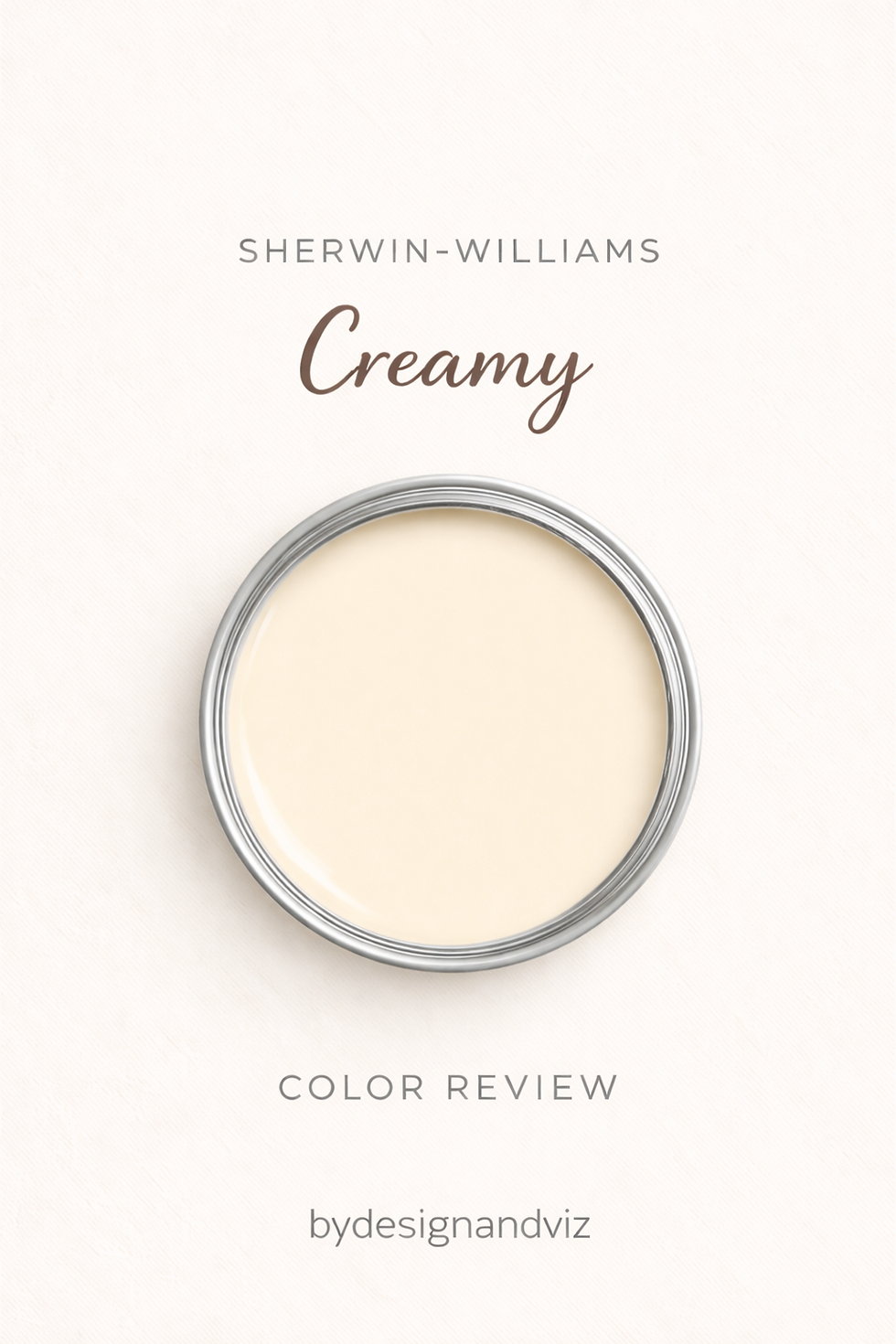
For how Creamy compares to Westhighland White - the higher-LRV, gray-counterbalanced SW warm white that reads as the quieter, more adaptable alternative to Creamy's richer undertone - the Westhighland White vs Creamy guide covers the chroma difference and which one suits a whole-home scheme.
When to Choose Shoji White

Choose Shoji White when warmth, depth, and sophistication are the brief. Traditional, transitional, and warm contemporary interiors. Rooms with warm wood, warm stone, and brass or bronze hardware. Any room where you want the off-white to have genuine presence on the wall rather than simply serve as a bright background.
Avoid Shoji White in rooms with limited natural light — the greige component can surface and the colour can read muddier than intended in low-light conditions. And avoid it in rooms where the brief is clean and airy — West Highland White delivers that result far better.
How the Pairings Differ

For West Highland White on walls, Pure White or Extra White on trim provides clean, crisp definition. Avoid warm cream trims — they will flatten the contrast and make the walls read slightly yellowed.
For Shoji White on walls, Alabaster on trim creates a warm, cohesive scheme. Pure White is an alternative for more contrast. Both options keep Shoji White's earthy warmth looking considered rather than simply off-white.
For flooring, both colours work with warm wood tones. Shoji White needs warm materials more urgently — its greige component conflicts with cool grey stone or tile. West Highland White handles a wider range of floor finishes.
For hardware, both colours suit aged brass and warm metals. West Highland White also works with brushed nickel in contemporary schemes. Shoji White is better kept with warm metals — the greige undertone can create an undertone conflict with very cool hardware finishes.
Architect's Verdict - West Highland White or Shoji White?

For rooms where brightness and warmth are both required — south-facing spaces, coastal interiors, open-plan schemes — West Highland White is the cleaner, more broadly reliable choice. It is easier to live with and harder to get wrong.
Shoji White is the right choice when depth and sophistication are the brief — when warmth needs to have presence and character rather than simply be a bright background. In a well-lit traditional living room with warm wood and warm stone, Shoji White is more beautiful than West Highland White. The complexity of the undertone reads as intentional and considered.

The test: hold large samples of both in your room in morning and evening light. If Shoji White looks rich and settled in both, choose Shoji White. If it reads slightly heavy or muddy under your artificial lighting, West Highland White is your answer.
Frequently Asked Questions

Is West Highland White lighter than Shoji White?
Yes — significantly. West Highland White has an LRV of 84 versus Shoji White's 74. That 10-point gap is clearly visible on a wall — West Highland White reads as a bright warm white while Shoji White reads as a deeper warm off-white with genuine body.
Can I use West Highland White and Shoji White in the same house?
Yes — in separate rooms with clear visual breaks. They suit different room briefs and look considered in different spaces. Avoid using them on adjacent walls or in the same open-plan space — the LRV gap and undertone difference will read as two unrelated colour decisions.
Which is better for kitchen cabinets?
Shoji White creates the more characterful cabinet result — the earthy, warm off-white quality pairs beautifully with warm stone countertops and brass hardware in traditional kitchens. West Highland White on cabinets is cleaner and fresher — better for contemporary and coastal kitchens. The choice follows the kitchen's style and material palette.
Which is better for a north-facing room?
West Highland White handles north-facing light more reliably. The clean yellow-beige undertone holds warmth without the greige risk that Shoji White can carry in cool indirect light. Shoji White in north-facing rooms can shift toward a slightly muddy quality — always test with a large sample before committing.
What is the LRV of West Highland White vs Shoji White?
West Highland White is LRV 84 and Shoji White is LRV 74. The 10-point gap puts them in different depth categories — West Highland White is a bright warm white, Shoji White is a deeper warm off-white. This is one of the larger LRV gaps in SW's warm white range and it is clearly visible on the wall.
Final Thought
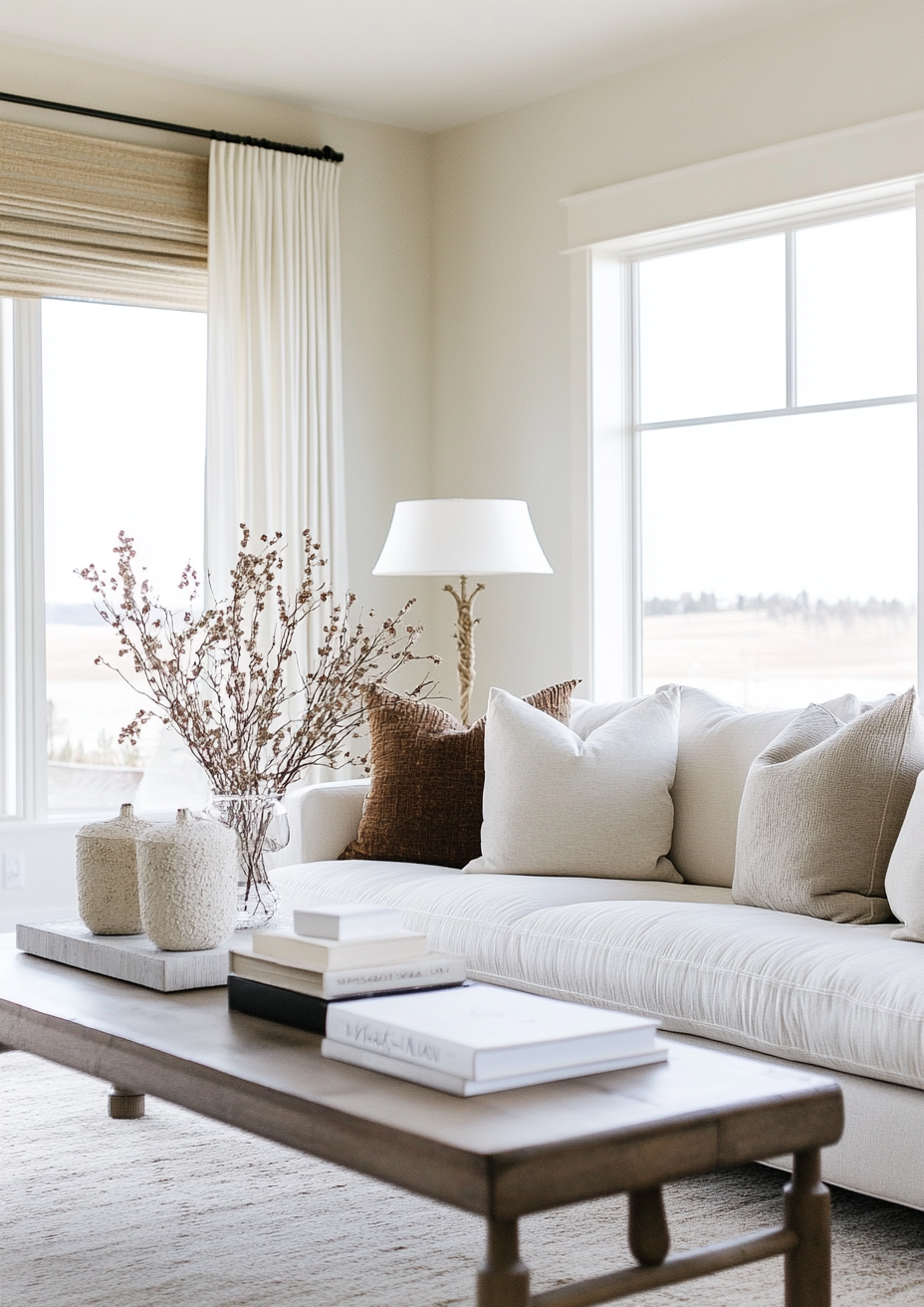
West Highland White and Shoji White are both excellent warm whites. The choice between them is not about which is better — it is about which one your room can support.
If your room needs brightness and warmth together — West Highland White. If your room needs warmth with depth and presence — Shoji White. Buy sample pots of both, paint large patches in your room, and look at them across a full day. The answer will be clear within 24 hours.
Want a complete colour scheme built around either colour? Our design packages cover full palette selection, finish recommendations, and 3D visualisations - see our packages. |
About the Author
Beril Yilmaz is a qualified architect and interior designer based in the UK. She runs BY Design And Viz, a design platform covering paint colour reviews, interior design guidance, and residential design projects. Beril has applied both Sherwin Williams West Highland White and Shoji White across residential projects in the UK and internationally.


Comments