


Top Educational Hubs with High-Growth Residential Markets

Real estate investors always recognize the steady rental demand from college towns and university-adjacent neighbourhoods. Not just students but also faculty with broader economic growth from hospitals, innovation hubs, and research institutions also fall into the same tier of tenants. In 2026, this market remains untouched yet with high potential as remote workers, population shift, and education expansion are on the rise.
These areas offer a dual appeal with immediate needs from students, while keeping in pace with families, professionals, and retirees. Therefore, investors grab the opportunity of short-term cash flow and long-term appreciation from this market.
What Makes an Educational Hub a Strong Residential Investment?
The best of college towns have a consistent performance throughout the year. The enrollment growth from students ensures rental demand every year. Another layer of stability is added when faculties are recruited, and universities get more research funding. Sometimes, location matters as well because a closer distance to metros can give spillover economic advantages. Lastly, this market is barely empty. There are predictable seasons and a community that understands the value of the investment.
Top Educational Hubs with High-Growth Residential Markets

Five markets lead in residential and academic prestige, which are mentioned below. Each has its distinct investment angles discussed in detail here:
1. University Place, Fort Worth, Texas
Located near the Texas Christian University (TCU), the University Place speaks for itself. It is a leading spot among the students, faculty members, and families related to TCU. The market offers new and classic housing in a proximal distance to the campus. The tree-lined streets further add to the charm of the market.
Fort Worth has growth potential from a boom in tech, aerospace, and healthcare jobs. So, apart from a demand from TCU-related people, this market extends to other employees and families, too. To check out the current listings of houses, University Place, Fort Worth can be your top choice.
2. Urbana-Champaign, Illinois
Urbana-Champaign is a top residence for students, teachers, and staff members from the University of Illinois Urbana-Champaign. The university has more than 35,000 students. Since it is a top public research university, the research budget is always on the rise, creating a scope for high-income students and university staff. Campustown and South Campus has its own favouritism too.
The present day is buzzing with multifamily projects and renovated single-family homes due to the university's splurge in engineering and technology funds. It has a predictable rental chain and a close distance to Chicago, in case anyone wants to resell.
3. Knoxville, Tennessee
Knoxville is led by the students and university staff from the well-reputed University of Tennessee. There are over 30,000 students in the city, and the market demands a good outdoor lifestyle with a low cost of living. Sequoyah Hills and Farragut have family homes, while UT Knoxville meets student rental demand. The Vol’s football culture further addresses rental premiums.
The market has moreover included corporate staff through its logistics and manufacturing diversity. Investors seem pleased to have no state income tax, while 4.6% annual appreciation adds to the stable demand.
4. Lexington, Kentucky
Home to the University of Kentucky, Lexington has over 30,000 students, with a horse country allure, driving one of the biggest rental forces. Elegant homes are mostly located in Chevy Chase and Hartland, and students take up residence near the university. There is further demand from the UK Athletics and members of the medical research team.
An equestrian heritage layered with a potential tech sector is enhancing the demand for this market in 2026 because the new research shows there is a vacancy rate as low as 3% in Lexington.
5. Austin, Texas
Austin gives a place to over 50,000 students from the University of Texas at Austin. Both Hyde Park and Mueller serve students, professors, tech transplants, and other non-student residents, including the innovation hub, with vintage villas, townhomes, etc.
Austin maintains its charm among its residents with the tech industry, live music sessions, and a lively culture. So, both students and young professionals want to stay here. Suburbs, including Round Rock, have family housing too, with greater resale value.
Why University Proximity Drives Residential Demand
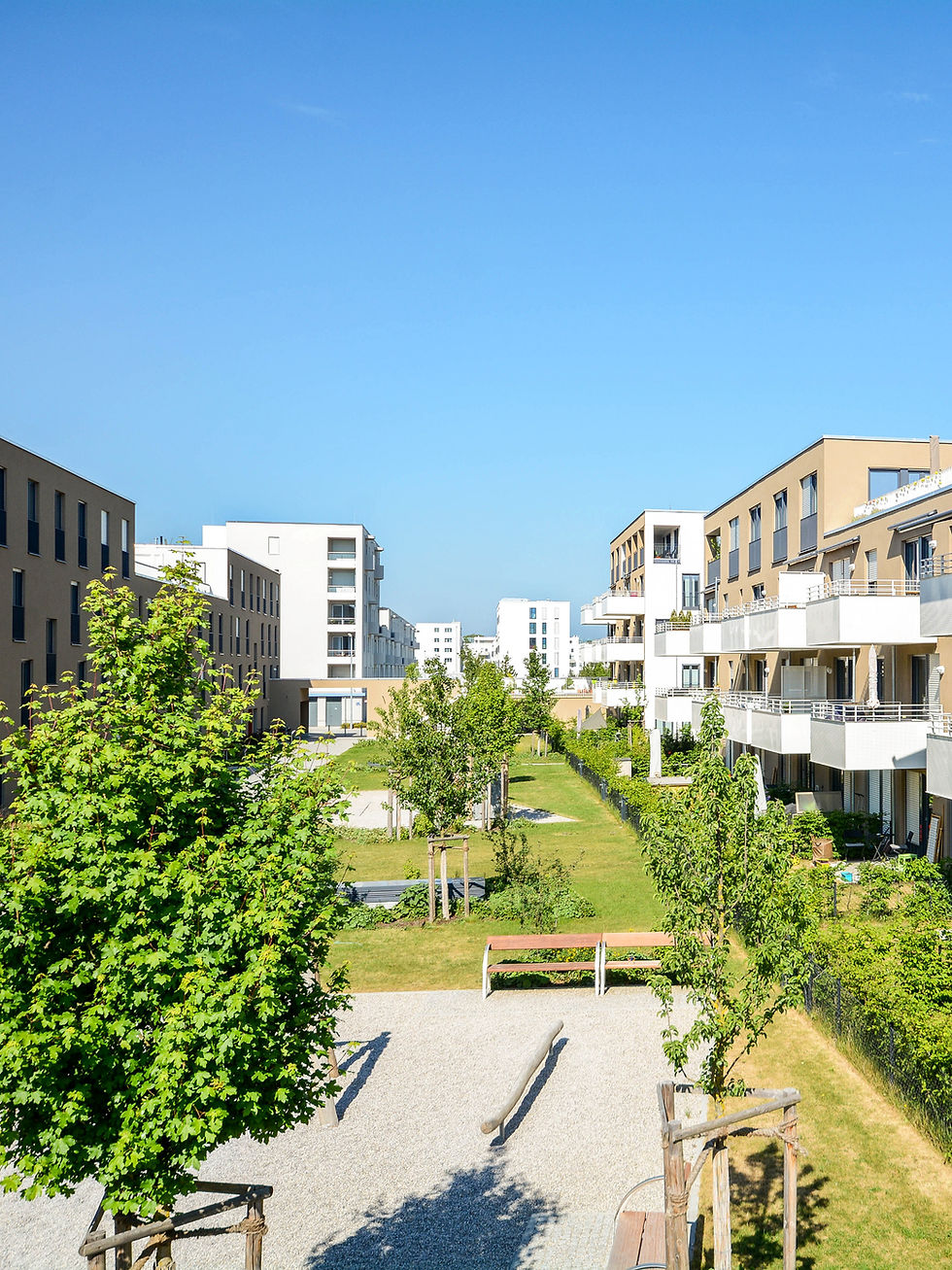
One of the most essential selling points of university-adjacent housing is its self-reinforcing demand cycle. 20-30% enrolled students need rental units, and faculty and staff need family homes. The ecosystem is further expanded by the healthcare workers and entrepreneurs. Approximately 95% occupancy is boosted in this market. Plus, maintenance is easy because of its seasonal predictability on the basis of the academic calendar.
Student Housing vs. Family Housing Opportunities

It can be a dilemma for the investors choosing student and family rentals. Student housing is the best for short-term performance with 8-12% cap rates, but management is more or less hands-on. Family houses have 12-24 months of tenancies, lower maintenance, and eventual appreciation. However, it is best to go hybrid by purchasing a larger housing for students and then converting it to family homes during the summer.
Long-Term Growth Factors in College Towns

College towns have sustainable yet predictable growth. Research universities yield more enrollments, creating a boost in the housing demand. It further instigates startups and creates more jobs. So professionals and professors seek housing from the same market altogether. Moreover, the walkable access and climate resilience of these college towns attract more Gen Z and millennial faculty as they are more aware of its effects. The economic diversification puts winners away from the boom-bust cycles.
The Final Verdict
In 2026, the demand for educational hubs, such as the University Place, Urbana-Champaign, Knoxville, Lexington, and Austin, remains out of touch. The market is more predictable and has appreciation with institutions on its back. Investors who focus on students receive quick yields, while family housing is more stable. However, both are a win. Buyers have to invest time to acquire the correct local knowledge. If they target the submarkets within the campus reach of 1-2 miles, they can diversify the properties and make timely purchases during the university enrollment cycles.


Comments