


What Roof Inspections Can Reveal About Hidden Moisture Paths Before Interior Damage Ever Appears

A roof is designed to keep water outside, yet moisture does not always travel in predictable ways once it enters a roofing system. A leak that appears in one room may have started several feet away, moving along decking, framing, or insulation before becoming visible. This is one reason roof inspections are far more valuable than simply searching for water stains inside the home.
Many roofing problems begin silently. Moisture may remain trapped beneath shingles or around flashing for months without producing obvious signs indoors. During that time, wood components, insulation, and ventilation systems can gradually be affected even though the roof still appears intact from the ground.
Understanding how professional inspections identify hidden moisture paths helps homeowners appreciate the importance of preventive evaluations. Finding the source of water intrusion early often prevents repairs from becoming larger and more expensive.
Water Rarely Travels Straight Down

Many homeowners assume a ceiling stain sits directly beneath the point where water entered the roof. In reality, moisture often follows the path of least resistance. It can move along rafters, roof decking, underlayment, or structural framing before finally dripping into living spaces.
Gravity is only one factor influencing water movement. Wind-driven rain, roof slope, insulation, and building materials all affect how moisture spreads throughout the roofing system. Because of this, locating the visible stain alone rarely identifies the actual entry point.
Professional inspections focus on tracing the moisture path backward rather than simply repairing the area where water becomes visible inside the house.
Hidden Moisture Can Develop Without Active Leaks
Not every roofing issue creates immediate dripping water. Small amounts of moisture can repeatedly enter around flashing, roof penetrations, or aging roofing materials and slowly evaporate before homeowners notice obvious symptoms. Although the water disappears, repeated exposure may still affect surrounding materials.
Insulation can gradually lose efficiency when exposed to recurring moisture. Wood framing may also remain damp for extended periods, creating conditions that support gradual deterioration if left unaddressed.
Because these early stages remain hidden, routine inspections become an effective way to identify concerns before structural repairs are necessary.
Areas Where Moisture Commonly Changes Direction

Roof valleys naturally collect large amounts of rainwater and often become one of the first places inspectors examine. Water flowing through these intersections may follow damaged underlayment or flashing before reaching the roof deck.
Chimneys, plumbing vents, skylights, and wall intersections also require careful evaluation. These transitions contain multiple roofing materials working together, making proper installation essential for directing moisture away from vulnerable openings.
Attic spaces provide another important source of information. Water staining, compressed insulation, or unusual humidity patterns frequently help inspectors determine how moisture has been moving through the roofing system.
Inspection Techniques Go Beyond Visual Observations
Professional roof inspections involve much more than identifying missing shingles. Inspectors evaluate drainage patterns, flashing condition, ventilation performance, roof penetrations, and subtle material changes that may indicate hidden moisture activity.
They also look for indirect warning signs. Discoloration, soft decking, deteriorating sealants, and unusual wear patterns often reveal developing concerns before interior damage becomes noticeable.
Many homeowners turn to a trusted Roofing Company in Dallas, TX when they want a thorough evaluation of their roofing system instead of relying on visible symptoms alone. A detailed inspection provides valuable insight into conditions that might otherwise remain hidden for years.
Why Ventilation Influences Moisture Movement
Roof ventilation helps regulate both temperature and humidity inside the attic. When airflow becomes restricted, excess moisture may accumulate even without rainfall entering the home. Condensation can develop on structural components, creating conditions similar to those caused by roof leaks.
Balanced ventilation allows humid air to escape while drawing in fresh outside air. This process supports healthier roofing materials and helps reduce unnecessary stress throughout the structure.
Inspectors routinely evaluate ventilation because moisture problems do not always originate from exterior weather. Indoor humidity can also contribute to long-term roofing concerns if airflow is inadequate.
The Value of Preventive Roof Evaluations
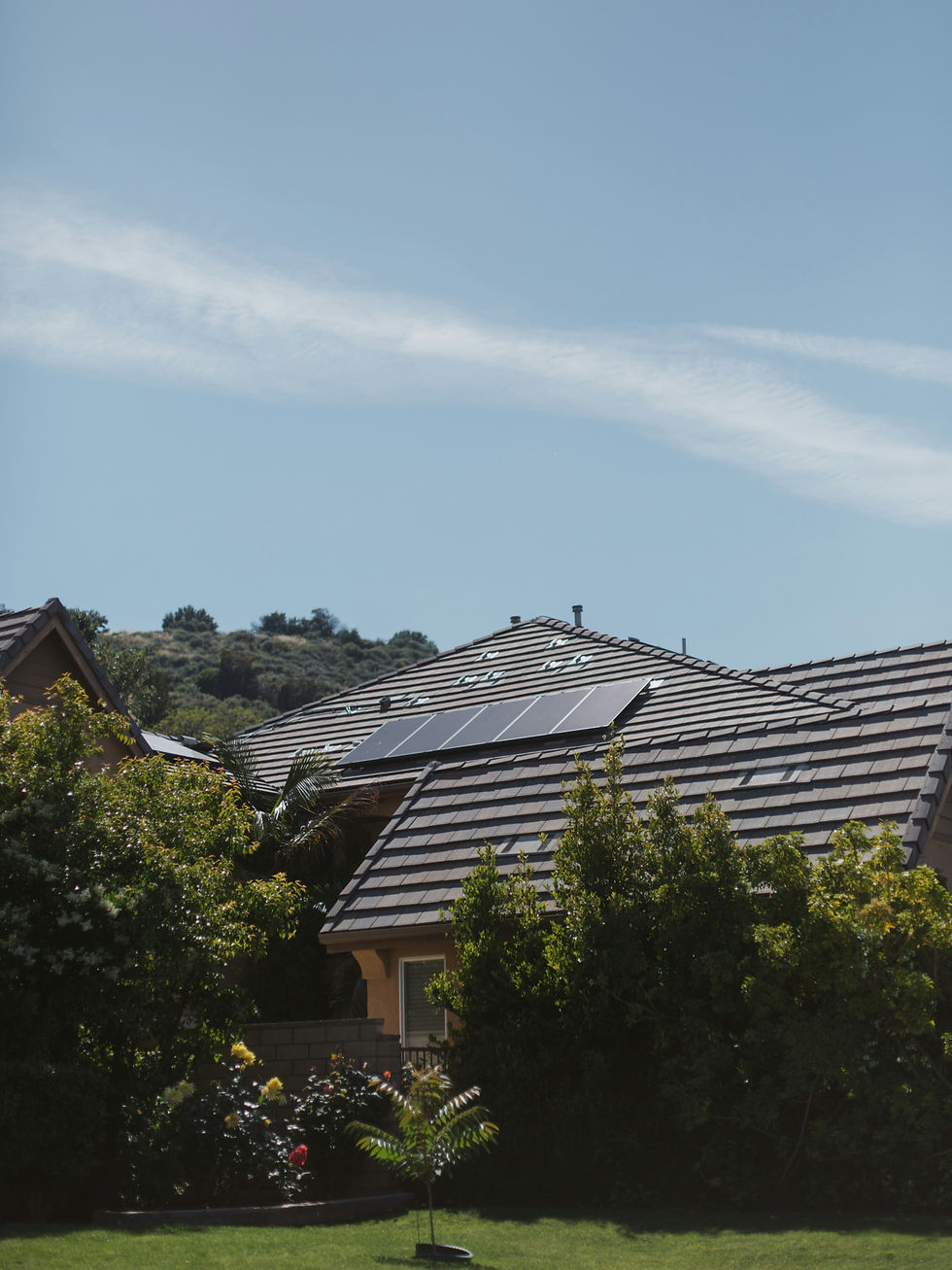
Waiting until a leak becomes obvious often means hidden damage has already expanded beyond the original source. Preventive inspections allow roofing professionals to identify developing issues while repairs remain relatively straightforward.
Seasonal evaluations are especially useful after severe storms, prolonged rainfall, or periods of strong wind. These weather events may disturb roofing components without creating immediately visible problems.
Rooftop Solutions DFW encourages homeowners to treat inspections as routine maintenance rather than emergency services. Identifying moisture pathways early helps preserve both roofing materials and the structural components beneath them.
Why Accurate Diagnosis Leads to Better Repairs
Repairing the visible symptom instead of the true source rarely solves roofing problems for long. Successful repairs begin by understanding exactly how water entered the roofing system and where it traveled afterward. This investigative approach reduces the likelihood of recurring issues.
Professional roofing contractors evaluate the surrounding materials as well as the affected area. Flashing, underlayment, drainage systems, ventilation, and roof decking all influence whether repairs will provide lasting protection.
Rooftop Solutions DFW approaches roof inspections with the goal of identifying underlying causes rather than temporary symptoms. Comprehensive evaluations allow homeowners to make informed decisions based on the overall condition of the roof.
Looking Beyond the Obvious Protects Your Home

Water intrusion is often far more complicated than a single leak or damaged shingle. Moisture follows hidden pathways, changes direction, and affects materials long before interior warning signs appear. Understanding this process highlights why regular roof inspections remain one of the most valuable investments in long-term home maintenance.
A complete roofing system relies on careful installation, effective drainage, balanced ventilation, and ongoing inspections to perform reliably through changing weather conditions. Paying attention only to visible damage may allow hidden concerns to continue developing unnoticed.
Rooftop Solutions DFW understands that successful roof care begins with finding problems before they become emergencies. By identifying concealed moisture paths and addressing their true causes, homeowners can better protect the durability, value, and long-term performance of their roofing systems.


Comments