


School House White vs White Dove: The Comparison That Actually Helps You Decide

School House White and White Dove are not rivals. They are partners that get mistaken for each other. Twelve LRV points separate them, 73 against 85, and that gap decides which one belongs on the wall and which one belongs on the trim. One is a muted, stone-leaning off-white that absorbs light. The other is a bright, restrained warm white that returns it.
I have used both across residential projects, often inside the same room. School House White carries the walls. White Dove draws the line on the joinery, the ceiling and the cabinetry. The pairing works because the two colors disagree just enough. The common mistake is treating them as interchangeable, which swaps a considered contrast for a flat, accidental one.
This guide covers the undertones, how each one behaves in north and south light, where each belongs on walls, trim and cabinets, and the exact test I run before choosing. The short version: School House White wins where you want depth. White Dove wins where you want light.

At a Glance
| School House White | White Dove |
Brand | Farrow & Ball | Benjamin Moore |
LRV | 73 - a 12-point drop from White Dove. It reads as a soft, light neutral rather than a white, so walls gain visible body. | 85 - bright enough to read as a true white, with warmth held well back. |
Colour category | Muted warm off-white - sits between a white and a pale stone, so it reads as a color rather than a blank backdrop. | Restrained warm white - reads as white first, warm second. The benchmark soft white. |
Undertones | Warm but dusty - a soft, stony yellow-brown held back by a touch of grey. Earthy, never creamy or buttery. | A faint creamy softness balanced by a trace of grey. It pulls neither yellow nor pink in most light. |
Character | Soft, enveloping and slightly weathered. It has the chalky, aged quality of limewashed plaster and gives walls depth without introducing a visible hue. | Clean, light and adaptable. It brightens a room without chilling it and recedes into the architecture instead of demanding attention. |
North-facing | Holds up. The grey dampening stops the warmth turning sour, and the lower LRV avoids the washed-out flatness bright whites take on in cool light. It reads a little dimmer and stonier. | Dependable. It stays a soft warm white, drifting slightly grey in cool light but rarely yellow or icy. It lifts a dim room far more than School House White can. |
South-facing | Warm and sandy. The earthy undertone comes forward and the color looks like pale limewashed plaster. Strong sun can push it toward a light beige-cream. | Bright and creamy without turning buttery. The room reads airy rather than golden, and the color stays clean beside timber. |
Open-plan | Good if the flooring and joinery are warm. The muted undertone stays consistent from zone to zone and avoids the stark flashes bright whites show where sunlight lands. | Excellent. It reads as the same white across zones and through the day, which is why it is my default trim and ceiling color in large open spaces. |
On walls | A true wall color. It softens corners, forgives uneven plaster and gives period and modern rooms a calm, settled backdrop. It needs lighter trim beside it to look intentional. | A light, airy backdrop that maximizes brightness. It gives less depth than School House White, so walls can read flat when nothing else in the room adds contrast or texture. |
On cabinets | Suits traditional, shaker and unfitted kitchens where an aged, painted-wood look is the goal. At LRV 73 it reads as a color, not a crisp white, so it is weaker on sleek handleless doors. | Outstanding. One of the most reliable soft white cabinet colors: clean enough for slab doors, warm enough for shaker, and at ease beside stainless steel and stone. |
Use together? | Yes - School House White on walls with White Dove on trim is the core pairing. The 12-point step up gives clear definition without a hard line. | Yes - White Dove on trim, ceilings and doors with School House White on the walls. Reverse the roles and the darker color sits heavy on the joinery. |
Trim for each | White Dove or another clean warm white for a soft, visible edge. Bright, cool whites look disconnected against it. | Itself for a seamless wall-and-trim scheme in a different sheen. It already sits one step above deeper neutrals and rarely needs a brighter white. |
Style fit | Period homes, farmhouse, Scandi-rustic and relaxed traditional interiors where a pared-back, aged finish is the brief. | Traditional, transitional, modern farmhouse and contemporary. It adapts to almost any style, which is the point. |
Architect's pick | When the walls need character and depth, and the trim, ceiling and cabinetry can supply the brightness. Choose it for rooms that should feel calm and lived-in. | When the room needs light and flexibility: dim north-facing rooms, cabinets, trim, ceilings and open-plan spaces. Choose it when you want a white to disappear. |
Farrow & Ball School House White No. 291 - What It Really Looks Like

School House White has an LRV of 73, which puts it firmly in the muted off-white category. That is 12 points below White Dove, and you see the gap immediately on a wall. It reads as a soft pale stone rather than a white. The warmth is earthy and dusty, with a trace of grey that keeps it from drifting cream. There is no glare and no sparkle.
Finish changes how it reads. Farrow & Ball's flat, ultra-matte finishes soak up light and add a limewashed softness, so the color looks calmer and slightly deeper than the swatch suggests. Sheen shifts the read again, so sample it in the finish you will actually use. A glossy test card will mislead you.
School House White is a wall color first. It suits plaster, panelling and period rooms, and it needs something lighter beside it to look deliberate. If you are weighing a muted wall against White Dove trim, the White Dove vs Pale Oak guide shows how a second stone-leaning neutral handles the same contrast.
Benjamin Moore White Dove OC-17 - What It Really Looks Like

White Dove has an LRV of 85, which puts it firmly in the bright warm white category. It is a bright white with enough warmth to remove any clinical edge. The undertone is a faint creamy softness balanced by a trace of grey. It pulls neither yellow nor pink in most light. There is nothing fussy about it.
It adapts to the light around it. In north light it turns slightly softer and greyer. In south light it turns creamier and brighter. In evening lamplight it warms without going yellow. That consistency is why it ends up on trim, ceilings and cabinets in so many of my schemes.
White Dove is built to recede. Where School House White adds body, White Dove adds light. It does not compete with art, timber or textiles, and it makes a deeper neighbor look richer. Used alone across every surface, it can feel flat. If your real question is White Dove against a crisper trim white, the Pure White vs White Dove guide covers where the extra brightness helps and where it turns cold against a warm wall.
The Real Difference Between School House White and White Dove
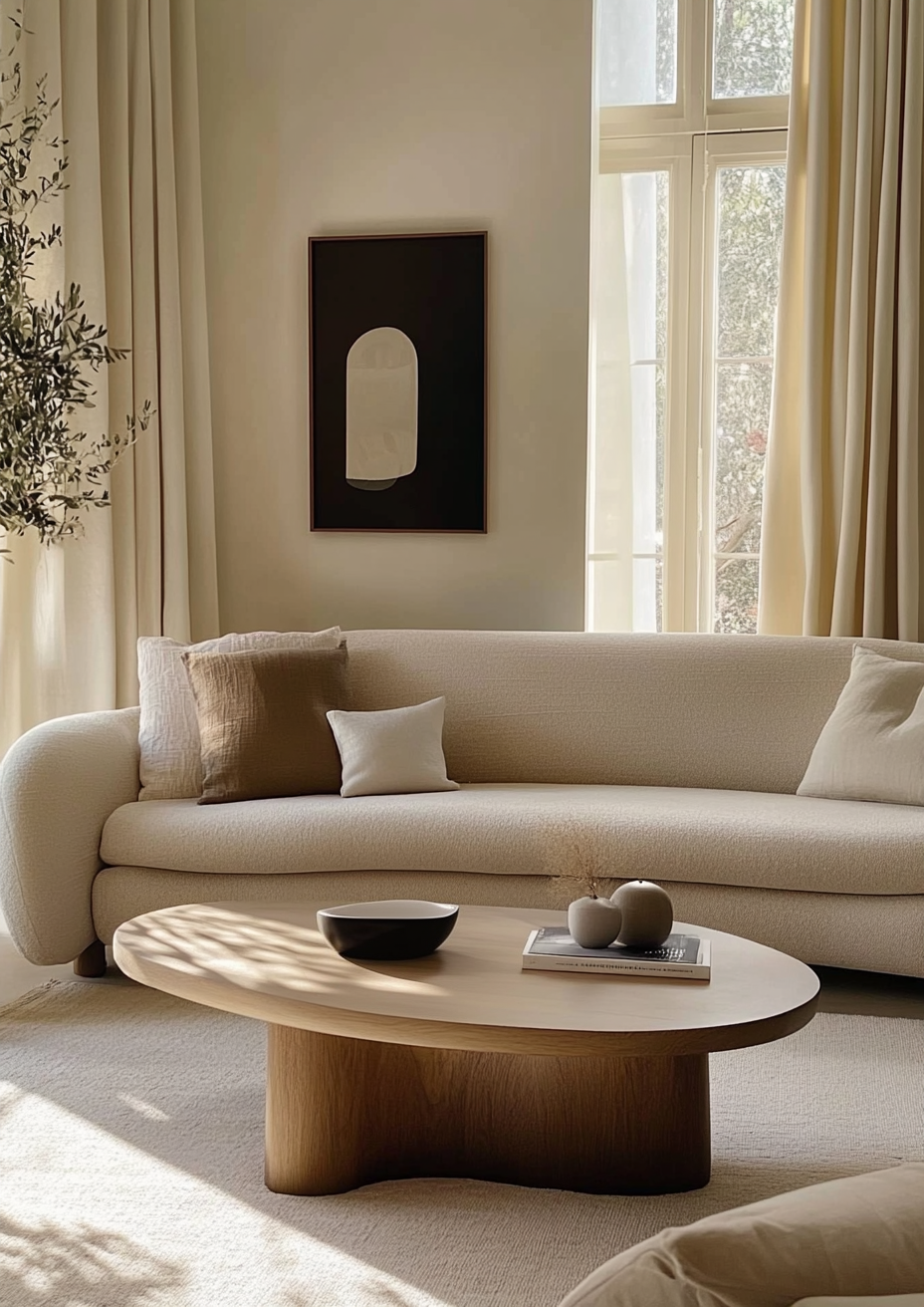
School House White is the wall. White Dove is the edge. They do different jobs. School House White creates depth with a muted, stony warmth. White Dove creates light with a clean, restrained warmth. Treat them as rivals and you lose what each does best.
The LRV gap explains the split. School House White sits at 73 and White Dove at 85. Twelve points is a visible step, enough to read as two distinct colors on wall and trim without any tricks. Smaller gaps look accidental. Larger ones look stark. This one looks tailored.
The trim relationship is where the pairing proves itself. School House White on the walls with White Dove on trim, ceilings and doors is the combination I reach for first. The step up in brightness frames the room and stops the muted walls looking dull. Reverse it and the darker color sits heavy on the joinery. For another warm wall that earns White Dove as trim, see the White Dove vs Swiss Coffee guide, which tests the same wall-and-trim logic against a creamier, more buttery wall.
Not sure which one is right for your room? A Color Direction consultation gets you a full custom palette built around your space - book yours here. |
When to Choose School House White

Choose School House White when the walls need depth, warmth and a settled, aged character. Bedrooms, snugs, dining rooms and period living rooms are where it earns its place. In rooms with decent daylight and warm flooring it looks quietly rich. It is the color that makes a room feel older and calmer than it is.
It also suits rooms where bright white would look stark. Think stone-floored hallways, panelled studies and rooms with exposed timber. Avoid it in dark, windowless rooms and in strictly cool, minimal schemes, where it can look drab. In a north-facing room with no warm light to lift it, test it twice.
When to Choose White Dove

Choose White Dove when the room needs light, flexibility and a clean edge. Cabinets, trim, ceilings, doors and dim north-facing rooms are where it works hardest. It handles mixed materials and changing light without complaint. It is the safe answer for open-plan spaces.
It is also the right wall color when brightness matters more than depth. Small rooms, hallways and spaces with limited daylight gain the most. Avoid it as a wall color in rooms where you want a cocooning, aged feel, because it will read lighter and plainer than School House White. Add texture or contrast, or the room can look flat.
How the Pairings Differ

For School House White on walls, White Dove on trim is the clear choice. It gives a soft, readable edge without a hard line. A White Dove ceiling lifts the room and keeps the walls from closing in. A School House White ceiling creates a deliberate, cocooning effect, but only in rooms with strong daylight.
For White Dove on walls, trim in the same color gives a seamless, airy finish. Change the sheen, not the color. If you want definition, move to a crisper white, never a creamier one. Cream trim against White Dove walls looks yellow and unintentional.
Both colors favor warm flooring, but they tolerate it differently. School House White sits best with limestone, aged oak, flagstone and terracotta, where its dusty warmth echoes the material. White Dove is more forgiving and handles cool stone, pale oak and dark timber without an undertone clash.
For hardware, aged brass, unlacquered brass and bronze suit School House White best. The earthy undertone rewards a patina. White Dove is more flexible, working with brass, brushed nickel, chrome and matte black. Polished chrome looks cold against School House White.
Architect's Verdict - School House White or White Dove?

This is not an either-or choice in most homes. It is a question of which job each surface needs done.
Choose School House White for walls that need character. It is the richer, calmer and more characterful of the two, and it makes a room feel settled. It asks for lighter trim and warm materials in return.
Choose White Dove for everything that needs light. It is the more flexible, more forgiving and more dependable of the two. It is the stronger choice for cabinets, trim, ceilings and any room with weak daylight.
The test I always run: paint a 2-foot (60 cm) patch of School House White on the north-facing wall, and a strip of White Dove on the skirting or door frame beside it. Check both at 9am on an overcast day, then again at dusk with the lamps on. A pass means the wall stays warm and stony rather than drab or grey-green, and the trim reads as a clean, soft step up rather than a dull grey. If School House White turns flat and khaki, move the wall to White Dove.
Frequently Asked Questions

Is School House White darker than White Dove?
Yes - School House White has an LRV of 73 against White Dove's 85. A 12-point gap is clearly visible side by side. School House White reads as a muted pale stone, while White Dove reads as a clean, bright white with warmth.
Can I use School House White and White Dove together?
Yes, and it is the pairing I recommend. School House White on the walls with White Dove on trim, ceilings and doors creates clean definition without a harsh line. Keep the roles that way round. White Dove on the walls with School House White on the trim looks heavy.
Which is better for kitchen cabinets?
White Dove is the more practical choice for most kitchens. It works across slab and shaker doors and beside stainless steel, stone and timber. School House White suits traditional or unfitted kitchens where a muted, aged look is the goal. Test it on a door, not a card.
Which is better for a north-facing room?
It depends on the brief. White Dove lifts a dim room more and stays a soft warm white. School House White keeps the walls warm and settled but will read dimmer. If light is the priority, choose White Dove. If atmosphere is, choose School House White and test it carefully.
Is School House White a true white?
No - it is a muted warm off-white. At LRV 73 it reads as a pale stone color on the wall, not a crisp white. That is its strength on walls and its limit on cabinets and trim.
What is the LRV of School House White vs White Dove?
School House White has an LRV of approximately 73 and White Dove approximately 85. Published figures vary slightly between sources, but the gap of around 12 points holds. That gap, more than the undertone alone, is what separates wall color from trim color here.
Can I mix Farrow & Ball and Benjamin Moore in the same scheme?
Yes - the colors matter, not the brand. Different paint systems differ in binder and finish, so sample both side by side on the actual surfaces. Judge the pairing in your own light before ordering full tins.
Final Thought
School House White and White Dove solve different problems. One adds depth. The other adds light. The right question is not which is better, but which job each wall, ceiling and door needs done.
If the walls need warmth and body, School House White is the answer. If the room needs light, a clean edge or cabinetry that lasts, White Dove is the answer. Buy sample pots of both, paint large patches side by side in your room, and check them at 9am and again at dusk. The answer will be clear within 24 hours.
Want a complete colour scheme built around School House White or White Dove? Our design packages cover full palette selection, finish recommendations, and 3D visualisations - see our packages. |
About the Author
Beril Yilmaz is a qualified architect and interior designer based in the UK. She runs BY Design And Viz, a design platform covering paint colour reviews, interior design guidance, and residential design projects. Beril has specified both School House White and White Dove across residential projects in the UK and internationally - School House White on plaster and panelled walls in period and farmhouse-style rooms, White Dove on trim, ceilings and cabinetry, often in the same scheme with School House White on the walls and White Dove on the joinery.


Comments