


Why Homeowners Eventually Notice the Same Spaces Being Used in Completely Different Ways Over Time

A home is designed with a particular lifestyle in mind, but the people living inside it rarely stay the same. Daily routines evolve, families grow, work habits shift, and new priorities emerge. As those changes unfold, rooms often begin serving purposes they were never originally intended to support.
Most homeowners adapt without giving it much thought. A guest bedroom becomes a home office, the dining table turns into a study area, and the kitchen island transforms into the household's central workspace. These adjustments happen gradually, making them feel like a natural part of everyday life.
Over time, however, these temporary solutions can reveal that the home's original layout no longer matches the way it is actually being used. Recognizing those patterns allows homeowners to think beyond appearance and focus on creating spaces that better support modern living.
Every Room Begins Telling a Different Story

The original purpose of each room often changes as household needs evolve. A formal living room that once hosted occasional gatherings may become the place where everyone spends evenings together. Likewise, a rarely used spare room may become one of the busiest areas in the house.
These changes are not signs that something is wrong with the home. Instead, they reflect the natural progression of family life and changing priorities. Homes that remain flexible are generally better equipped to accommodate those transitions without creating daily frustration.
Looking at how rooms are actually used provides valuable insight into whether the current layout still supports everyday routines.
Modern Lifestyles Place New Demands on Existing Layouts
Homes built years ago were designed around lifestyles that often differed from today's expectations. Remote work, online learning, home fitness, and increased time spent indoors have changed how families interact with their living spaces. As a result, rooms that once felt perfectly adequate may now seem limited.
Many households discover they need more functional connections between shared spaces rather than simply more square footage. Better flow frequently improves comfort more than increasing the overall size of the home.
Practical layouts help households adapt to changing routines with less effort.
Shared Spaces Have Become More Important Than Ever
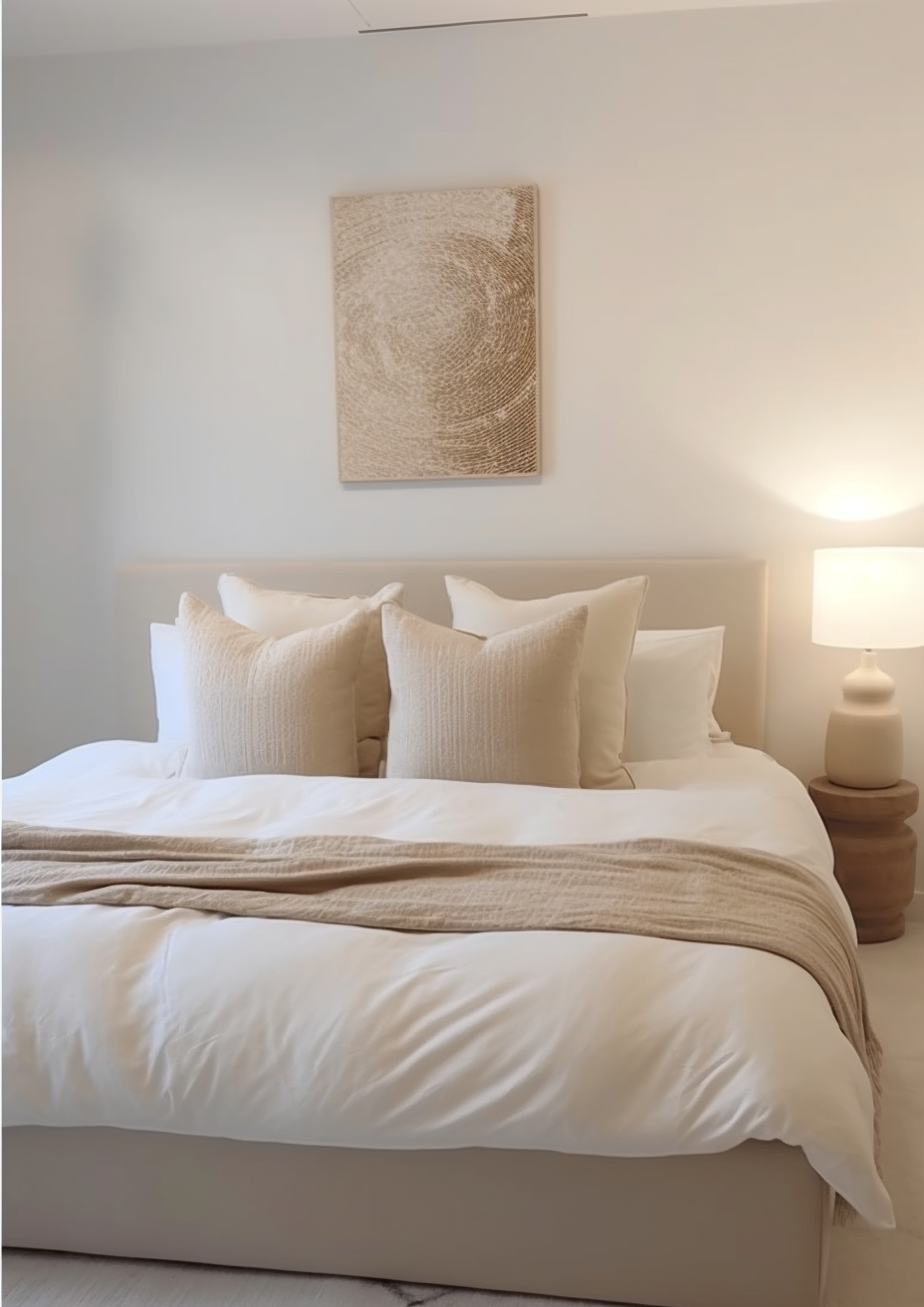
The kitchen, family room, and dining area often serve multiple purposes throughout the day. Morning routines, work meetings, homework sessions, meal preparation, and evening gatherings may all happen within the same connected spaces. These areas have become the heart of many homes.
When shared spaces are thoughtfully arranged, family members can comfortably carry out different activities without constantly interfering with one another. Small improvements in layout often create noticeable differences in how comfortably everyone uses the home.
Good design supports flexibility instead of restricting it.
Temporary Adjustments Can Reveal Permanent Needs
Families frequently solve changing needs by making simple adjustments. Furniture is rearranged, shelving is added, and underused rooms are assigned new purposes. These solutions often work well initially, but they may gradually expose limitations in the home's original design.
Rather than continuing to adapt around those limitations indefinitely, many homeowners begin evaluating whether their home should evolve alongside their lifestyle. Functional improvements can address recurring inconveniences that temporary fixes never fully resolve.
Everyday habits often provide the clearest clues about what should change.
Daily Living Should Feel Effortless
One advantage of considering Home Remodeling in Naples, FL is the opportunity to create spaces that reflect how a household actually functions today instead of how previous owners may have lived years ago. Designing around current routines can simplify everyday activities while improving overall comfort.
A home should make ordinary tasks feel easier rather than requiring constant workarounds. Small improvements in layout and organization often have a lasting impact because they support routines that happen every single day.
Comfort grows when a home naturally fits the people living inside it.
Flexibility Adds Long-Term Value
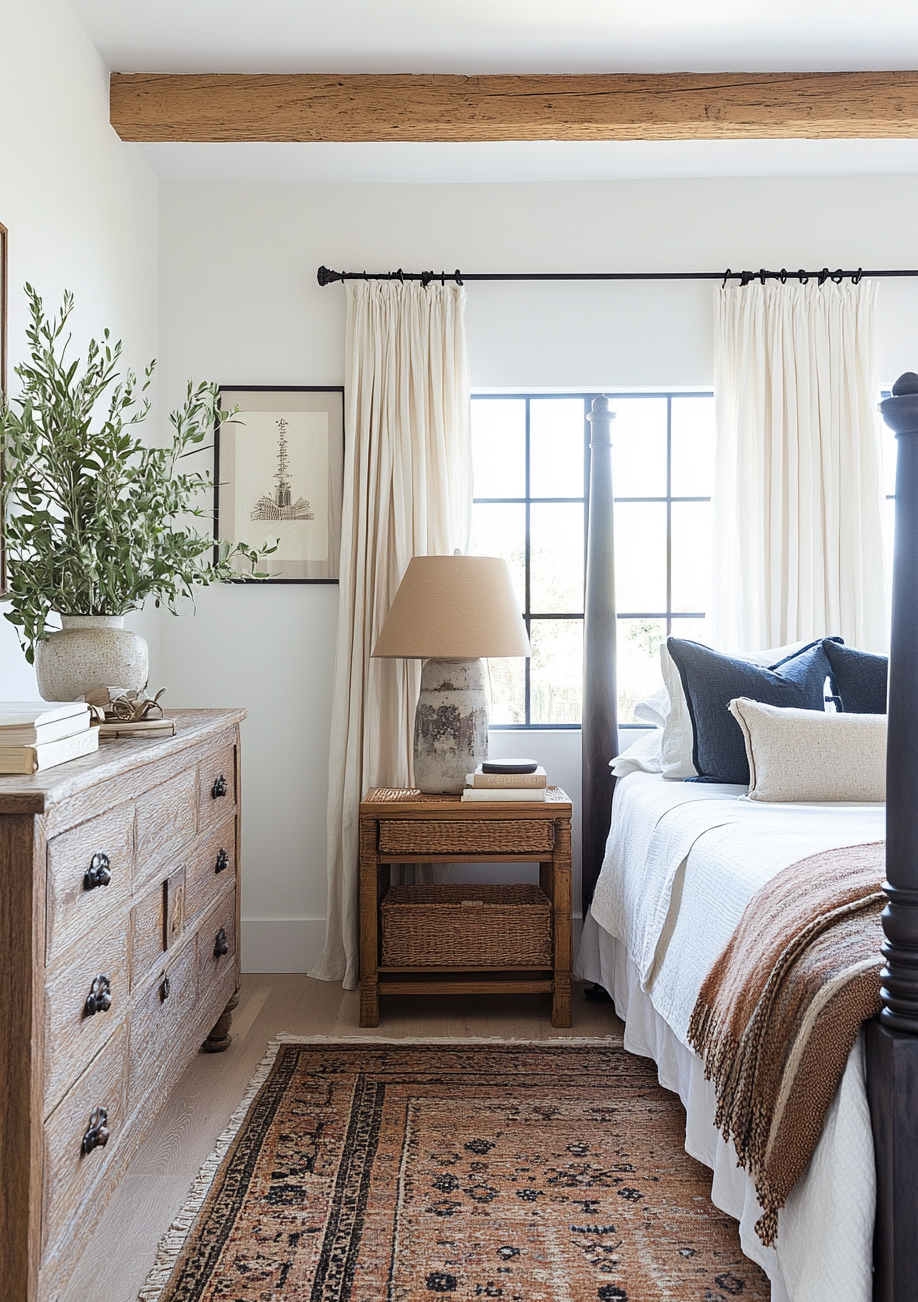
Life rarely follows a predictable path. Families welcome children, careers evolve, hobbies develop, and relatives may move in temporarily. A flexible home can respond to these changes without requiring major adjustments every few years.
Rooms designed with adaptability in mind remain useful regardless of how household needs change. Spaces that comfortably support multiple purposes often continue delivering value for many years.
Planning for flexibility encourages smarter long-term decisions.
Function Often Outlasts Trends
Decorating styles naturally change over time. Colors, finishes, and design preferences come and go, reflecting different tastes and influences. Functional improvements, however, continue benefiting homeowners regardless of changing trends.
Better storage, improved traffic flow, practical workspaces, and efficient room connections remain valuable long after fashionable finishes have been replaced. These improvements quietly enhance everyday life without drawing constant attention to themselves.
Lasting functionality is often remembered more than temporary style.
A Home Should Reflect the Way People Live Today
Homes are meant to support the people who live in them, not require families to continually adjust around outdated layouts. As routines evolve, it becomes increasingly clear which spaces work well and which ones struggle to meet modern demands. Paying attention to those everyday patterns offers valuable insight into how a home can better serve its occupants.
The most successful living spaces are not necessarily the largest or the newest. They are the ones that adapt alongside changing lifestyles, making ordinary routines feel simpler, more comfortable, and more enjoyable. When a home reflects the realities of daily life instead of the assumptions of the past, it continues providing lasting comfort for years to come.


Comments