


What Colors Go With Brown: Every Pairing That Actually Works

Brown is one of the most misunderstood colors in interior design. It has a reputation for being difficult, dated, or limiting -- a reputation that is almost entirely the result of bad pairings rather than anything inherent to the color itself. Used correctly, brown is one of the most versatile, warm, and enduringly sophisticated colors available -- it suits more styles, more material palettes, and more room types than most people realize.
This guide covers every color that goes with brown -- from the most classic and reliable pairings to the more unexpected combinations -- with a clear explanation of why each one works and how to use it in a real room.
The Golden Rule of Brown Pairings
The single most important principle when pairing colors with brown is warmth consistency -- brown is a warm color at its core, and the colors and materials around it need to share that warmth direction to create a cohesive result. A warm brown alongside cool gray walls and cold metal accents creates a visual conflict that makes the room feel unresolved. A warm brown alongside warm white walls, warm wood tones, and warm brass accents creates a room that feels deeply considered and naturally harmonious.
This does not mean everything has to be warm -- cool accents can work beautifully alongside brown when they are introduced deliberately and in the right proportion. But the baseline palette -- walls, floors, and primary furnishings -- should share brown's warmth before cool accents are layered in.
Colors That Go With Brown -- The Complete Guide
1. Warm White and Cream
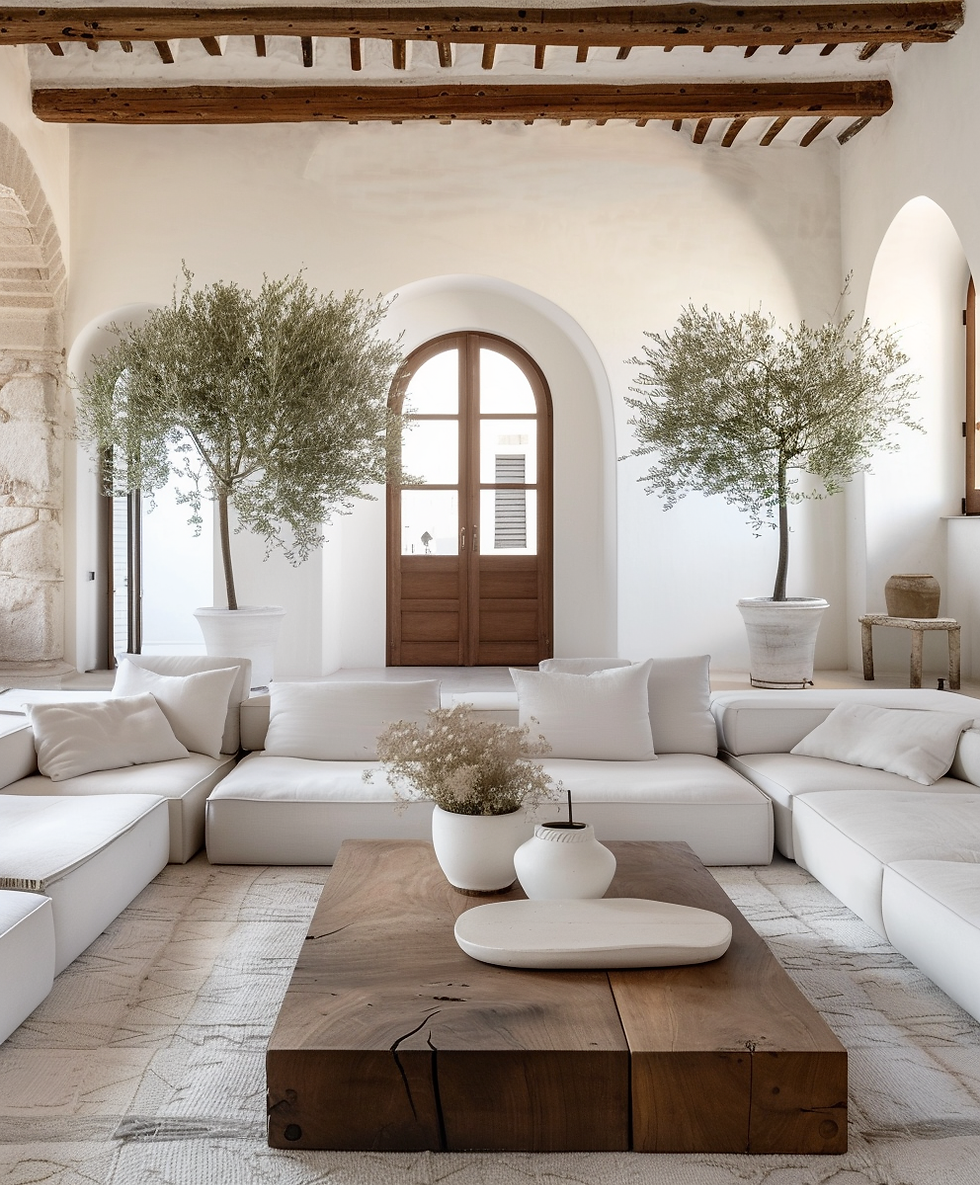
Warm white is the most universally flattering pairing for brown -- it provides lightness and freshness without the cool contrast that makes brown look orange. The warmth in the white complements brown's warmth and prevents the clash that cool or stark whites create. Use warm white on walls, ceilings, and trim to create a fresh, light backdrop for brown furniture or brown architectural elements. Alabaster SW 7008, White Dove OC-17, and Swiss Coffee OC-45 are all excellent choices alongside brown. Avoid cool whites with blue or gray undertones -- these create an uncomfortable clash with brown's warmth.
2. Warm Greige and Taupe
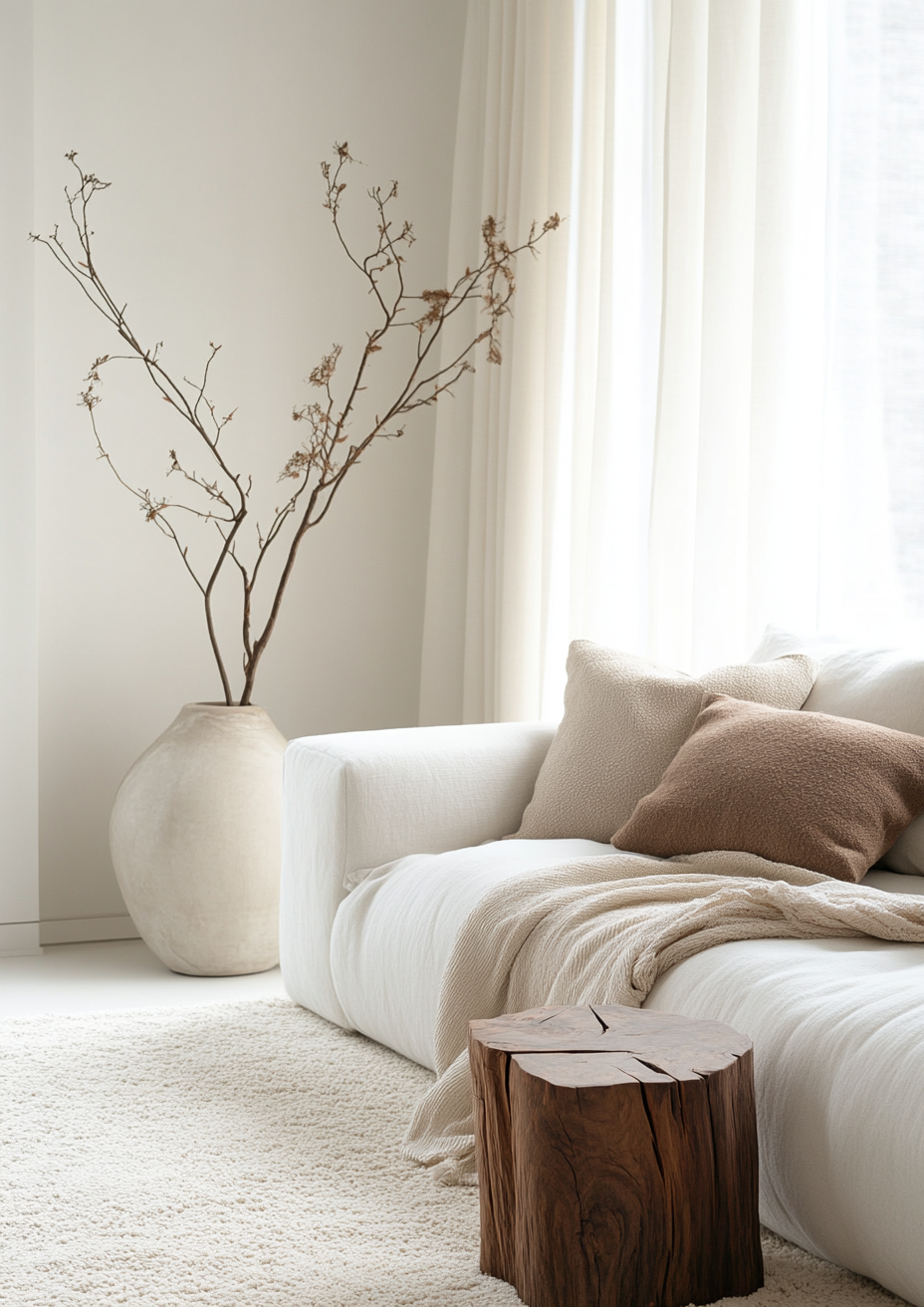
Greige -- the blend of gray and beige -- is one of the most reliable wall colors for brown furniture and brown elements because it bridges warm and cool without fighting the brown's undertone. It creates a sophisticated, layered neutral scheme that reads as designed rather than default. The key is choosing a greige with warm undertones rather than a cool gray-dominant greige -- warm greiges like Accessible Beige SW 7036, Pale Oak OC-20, or Edgecomb Gray HC-173 work naturally alongside brown.
3. Terracotta and Rust

Terracotta shares brown's earthy, organic character -- both colors come from the same warm red-orange-brown family, which means they relate naturally and create a rich, grounded palette that feels genuinely organic. Use terracotta as an accent color alongside brown rather than as a dominant color -- terracotta cushions, throws, ceramics, and artwork create warmth and character without overwhelming the brown. A terracotta feature wall alongside brown furniture works in rooms where a bold, earthy palette is the brief.
4. Sage and Olive Green

Green and brown is one of the most naturally occurring color combinations in the world -- it is the palette of forest floors, meadows, and woodland interiors. The organic relationship between these two colors is why the combination feels so instinctively right in an interior. Sage green works as a wall color alongside brown furniture -- it creates a calm, organic atmosphere that suits bedrooms and living rooms particularly well. Olive green is deeper and richer -- use it as an accent through soft furnishings or as a kitchen cabinet color alongside brown wood elements. Avoid bright or cool greens alongside brown -- these fight the warmth of the brown rather than complementing it.
5. Navy Blue

Navy is a surprisingly natural companion to brown -- the deep, cool quality of navy creates a clean contrast with brown's warmth without the harshness that cooler, lighter blues can produce. The combination reads as sophisticated and classic, particularly in traditional and transitional interiors. Use navy as an accent color through cushions, throws, and artwork rather than as a dominant wall color in a brown-heavy room. Navy walls alongside brown furniture work in rooms where a bold, moody palette is the brief -- the combination feels rich and deliberate when balanced with warm white trim and warm metallic accents.
6. Warm Gold and Brass

Gold and brass are natural metallic complements to brown -- the warm yellow quality of both metals resonates with the red-yellow undertone within brown and creates a rich, luxurious palette that reads as considered and high-end. Use brass and gold through hardware, lighting fixtures, picture frames, and decorative accessories. Warm brass is particularly effective alongside dark brown leather furniture and dark wood elements -- the gold quality of the metal makes the brown look richer and more intentional. Avoid chrome and nickel alongside warm brown -- the cool silver quality creates an undertone clash.
7. Charcoal and Deep Gray

Charcoal works alongside brown when it has enough warmth in its undertone to avoid fighting the brown's warmth. Warm charcoals and warm deep grays create structure and drama in a brown palette without the coldness that cool grays introduce. Use charcoal as an accent through furniture legs, picture frames, and architectural details rather than as a dominant wall color in a brown-primary room. Charcoal walls alongside brown furniture work in moody, sophisticated rooms -- but only with warm charcoals like Dorian Gray SW 6008 or Urbane Bronze SW 7048 rather than cool blue-gray charcoals. The full guide to black and brown combinations is in the black and brown living room ideas guide.
8. Burnt Orange and Amber

Burnt orange is one of brown's closest color relatives -- both sit in the warm red-orange-brown family and share undertones that make them naturally harmonious. Used as an accent, burnt orange adds energy and vibrancy to a brown palette without disrupting its warmth. Use burnt orange sparingly -- a single accent piece, a cushion, or a ceramic object is sufficient to bring the combination to life. Burnt orange walls alongside brown furniture works in eclectic and maximalist interiors where a bold, earthy palette is the brief, but requires careful balance with warm white and natural materials to prevent the scheme feeling overwhelming.
9. Warm Pink and Blush

Warm pink and blush work with brown because both colors share a warm undertone -- the red quality in warm pink resonates with the red undertone within brown. The combination is softer and more unexpected than the classic brown pairings and suits bedrooms and softer interior styles particularly well. Use warm blush as a wall color alongside brown wood furniture and brown leather accents for a sophisticated, unexpected palette. The key is choosing warm blush rather than cool pink -- a pink with gray or blue undertones will clash with brown's warmth.
10. Warm Linen and Natural Neutrals

Linen, jute, oat, and warm natural neutrals are the most instinctively right palette for brown -- they share brown's organic, earthy character and create a layered, textured neutral scheme that feels genuinely natural and sophisticated. Use natural neutrals through soft furnishings, rugs, and textiles alongside brown furniture and brown architectural elements. A linen sofa alongside a dark wood floor, a jute rug, and warm white walls is one of the most reliably beautiful and timeless interior combinations available. The texture of natural materials is as important as the color in this palette -- woven, rough, and organic textures enhance the natural quality of brown.
Need help building a palette around brown in your home? Book a color consultation here -- bydesignandviz.com/book-online |
What Colors to Avoid With Brown

Cool blue-gray walls -- cool grays with blue undertones create an undertone conflict with brown's warmth that makes the brown look orange and the gray look cold. Always choose warm grays alongside brown.
Stark cool white -- pure white with a blue or cool undertone makes warm brown look orange by contrast. Always choose warm white alongside brown.
Bright, saturated cool colors -- bright cool blues, bright cool greens, and bright purples fight brown's warmth and create a jarring, unresolved palette. If cool accents are used alongside brown they should be muted and deep rather than bright and saturated.
Mauve and dusty pink with gray undertones -- grayish pinks conflict with brown's warm red undertone and create an uncomfortable clash. Warm blush works; cool mauve does not.
Brown With Different Shades -- How the Undertone Changes the Pairing
Dark Chocolate Brown

Dark chocolate brown is the deepest and most dramatic version of brown -- it works best with high-contrast light colors like warm white, cream, and light warm greige. The depth of the brown reads well against bright backdrops and creates a sophisticated, high-contrast scheme. Avoid pairing dark brown with dark wall colors unless the room has excellent lighting -- the combination can feel oppressively dark without enough light contrast. For a full guide to styling dark brown furniture and sofas, the dark brown couch living room ideas guide covers every combination.
Warm Caramel and Cognac Brown

Caramel and cognac browns have a warm orange-yellow quality that requires colors that complement rather than amplify that warmth -- warm white, sage green, navy, and warm greige all work well. Avoid colors with strong orange or yellow undertones alongside caramel brown -- terracotta used too heavily can push the scheme toward an overwhelming orange palette.
Warm Tan and Beige-Brown

Tan and beige-brown are the most neutral and versatile versions of brown -- they sit closest to greige territory and work alongside the widest range of colors including both warm and cool accents. Tan walls or tan floors are the easiest brown to pair with because the neutrality of the tone gives it a wider compatibility range than deeper, warmer browns.
Brown in Different Rooms
Brown in Living Rooms

The living room is where brown is most commonly used and most commonly mis-paired -- usually in the form of a brown sofa or brown wood floor that is then surrounded by incompatible wall colors. The most reliable approach is warm white or warm greige walls, warm wood accents in a similar tone family to the sofa, and warm brass or bronze hardware and lighting. For a full guide to wall colors specifically for brown sofas, the brown sofa wall colors guide covers all nine of the most reliable options.
Brown in Bedrooms

Brown in a bedroom creates a warm, enveloping, deeply restful atmosphere -- dark brown walls or deep brown wood furniture alongside warm cream or warm blush bedding and warm white walls is one of the most reliably beautiful bedroom combinations available. The key is ensuring the warmth is consistent throughout -- warm floor, warm walls, warm textiles -- and that the lighting is warm rather than cool.
Brown on Walls

Brown as a wall color is increasingly popular and enormously versatile -- from light tan and warm greige to deep chocolate and mocha, brown walls work in every room type and every interior style when the surrounding colors share the same warmth direction. For a full guide to brown paint colors including the best options across all depths and undertones, the brown paint colours guide covers the full range.
Frequently Asked Questions

What is the best color to go with brown furniture?
Warm white, warm greige, and sage green are the three most reliable colors to pair with brown furniture -- all three complement brown's warmth without fighting it. The best choice depends on the specific shade of brown and the overall style of the room: warm white suits almost any brown in almost any style; warm greige creates a sophisticated layered neutral scheme; sage green creates a natural, organic palette.
Does gray go with brown?
Warm gray goes with brown -- cool gray does not. The distinction is critical. A warm gray with brown or taupe undertones -- like Accessible Beige, Edgecomb Gray, or Agreeable Gray -- complements brown's warmth and creates a cohesive palette. A cool gray with blue or green undertones fights brown's warmth and makes the brown look orange. Always test gray alongside brown before committing.
What colors go with a brown leather sofa?
Warm white walls, sage green accents, navy cushions, warm brass hardware, and natural linen textiles all work beautifully alongside a brown leather sofa. The leather quality of the sofa means that texture is as important as color in building the palette around it -- woven, rough, and organic textures like jute rugs, linen throws, and rattan accents complement leather's natural quality. For a full guide to styling a brown leather sofa, the what colours go with a brown sofa guide covers every pairing.
Does white go with brown?
Warm white goes with brown -- cool or stark white creates a clash. The warmth in the white needs to match the warmth in the brown for the combination to feel cohesive. A warm off-white like Alabaster SW 7008 or White Dove OC-17 alongside a warm brown creates a clean, fresh, sophisticated combination. A cool stark white alongside warm brown creates a visual conflict that makes the brown look orange.
What accent colors go with brown?
The best accent colors for brown are terracotta, sage green, warm brass, navy, burnt orange, and warm blush -- all colors that either share brown's warmth or create a deliberate contrast that complements rather than fights it. The most important rule for accent colors alongside brown is to keep them warm or muted rather than bright and cool -- bright cool colors are the most common mistake in brown palettes.
Final Thought
Brown rewards warmth consistency above everything else -- when every element in the room shares the same warmth direction, brown looks deeply sophisticated and intentional. When the warmth direction is inconsistent -- cool walls, cold metals, stark whites -- brown looks heavy and difficult. The colors that work with brown are not a fixed list but a principle: warm, organic, and consistent in temperature. Apply that principle and brown works in almost any room and almost any style.
Need help building a color palette around brown in your home? See our design packages here -- bydesignandviz.com/#interiordesignpackages |
About the Author
Beril Yilmaz is a qualified architect and interior designer based in the UK. She runs BY Design And Viz, a design platform covering paint color reviews, interior design guidance, and residential design projects.



Comments