


What Is Mulch and Why Does Your Garden Need It? Everything You Should Know

Mulch is one of those gardening essentials that seems simple on the surface but carries a surprising amount of depth once you dig in—literally. At its core, mulch is any material placed on top of the soil to protect it, nourish it, or simply make your garden look more polished. Yet the type of mulch you choose, how you apply it, and where you use it can completely change the health and appearance of your outdoor spaces.
If you’ve ever admired a garden that looks effortlessly tidy, brimming with thriving plants, and relatively free of weeds, mulch is likely the unsung hero. Beyond its aesthetic appeal, mulch plays a critical role in moisture retention, weed suppression, soil temperature regulation, and even in improving soil fertility depending on the material used.
In this guide, we’ll break down what is mulch, the different varieties available, and how to choose the best type for your garden’s needs. From natural options like shredded leaves and bark to longer-lasting materials like gravel or fabric, mulch can be as decorative as it is practical.
1. What Is Mulch: The Basics

Mulch, in its simplest definition, is any layer of material applied on top of the soil. It can be organic, such as wood chips, straw, or compost, or inorganic, such as stones, landscape fabric, or rubber. Both categories come with their pros and cons, but all mulches share the same core benefits: they protect soil, help control weeds, and regulate conditions for healthier plants.
Think of mulch as a protective blanket for your garden—it shields the ground from the sun’s intensity, insulates against cold snaps, and prevents soil erosion after heavy rains. Some types even feed your plants over time as they break down.
2. What Is Mulch: Organic Options

Organic mulch is derived from natural materials and decomposes over time, enriching your soil with nutrients. This makes it particularly appealing for gardeners who want to boost soil fertility while also enjoying the practical benefits of mulching.
Bark and Wood Chips
Wood-based mulches are among the most popular choices. They decompose slowly, making them long-lasting, and they create a polished, tidy look. Best for flower beds, trees, and shrubs, they’re less ideal for vegetable gardens where frequent soil turnover is required.
Shredded Leaves
Nature’s free gift to gardeners, shredded leaves are excellent for vegetable patches and woodland gardens. They decompose quickly, improve soil texture, and encourage earthworm activity. Just avoid laying down whole leaves, as they can mat and block water.
Straw and Hay
Perfect for vegetable gardens, straw mulch keeps fruits and vegetables like strawberries off damp soil, reducing rot. It also provides an airy cover that suppresses weeds without compacting the soil.
Grass Clippings
A convenient option if you mow your lawn regularly. Grass clippings enrich soil with nitrogen but must be applied in thin layers to avoid becoming slimy. They’re best used in less-visible areas or incorporated into compost.
3. What Is Mulch: Inorganic Alternatives
Unlike organic mulches, inorganic options don’t break down or add nutrients to the soil. However, they last much longer and can provide stronger weed control.
Landscape Fabric
Designed to block weeds while allowing water to penetrate, fabric works well under shrubs, pathways, or decorative gravel. It’s low-maintenance but not suited for vegetable gardens where soil is frequently disturbed.
Gravel and Stone
Perfect for pathways, Mediterranean-style gardens, or areas requiring excellent drainage. Stones retain heat, which can benefit heat-loving plants, but they may stress delicate species in hot climates.
Rubber Mulch
Made from recycled tires, rubber mulch is durable and effective at weed suppression. It’s commonly used in playgrounds or decorative landscapes but doesn’t improve soil health.
4. What Is Mulch: The Benefits

Using mulch is more than a cosmetic choice—it provides tangible advantages for your plants and soil.
Moisture Retention: Mulch reduces evaporation, keeping soil consistently moist.
Weed Suppression: A thick mulch layer blocks sunlight, preventing weed germination.
Soil Temperature Regulation: Keeps soil cool in summer and insulated in winter.
Erosion Control: Protects against heavy rain washing soil away.
Nutrient Boost (Organic Mulch): As organic mulch breaks down, it feeds the soil with essential nutrients.
5. What Is Mulch: When and How to Apply
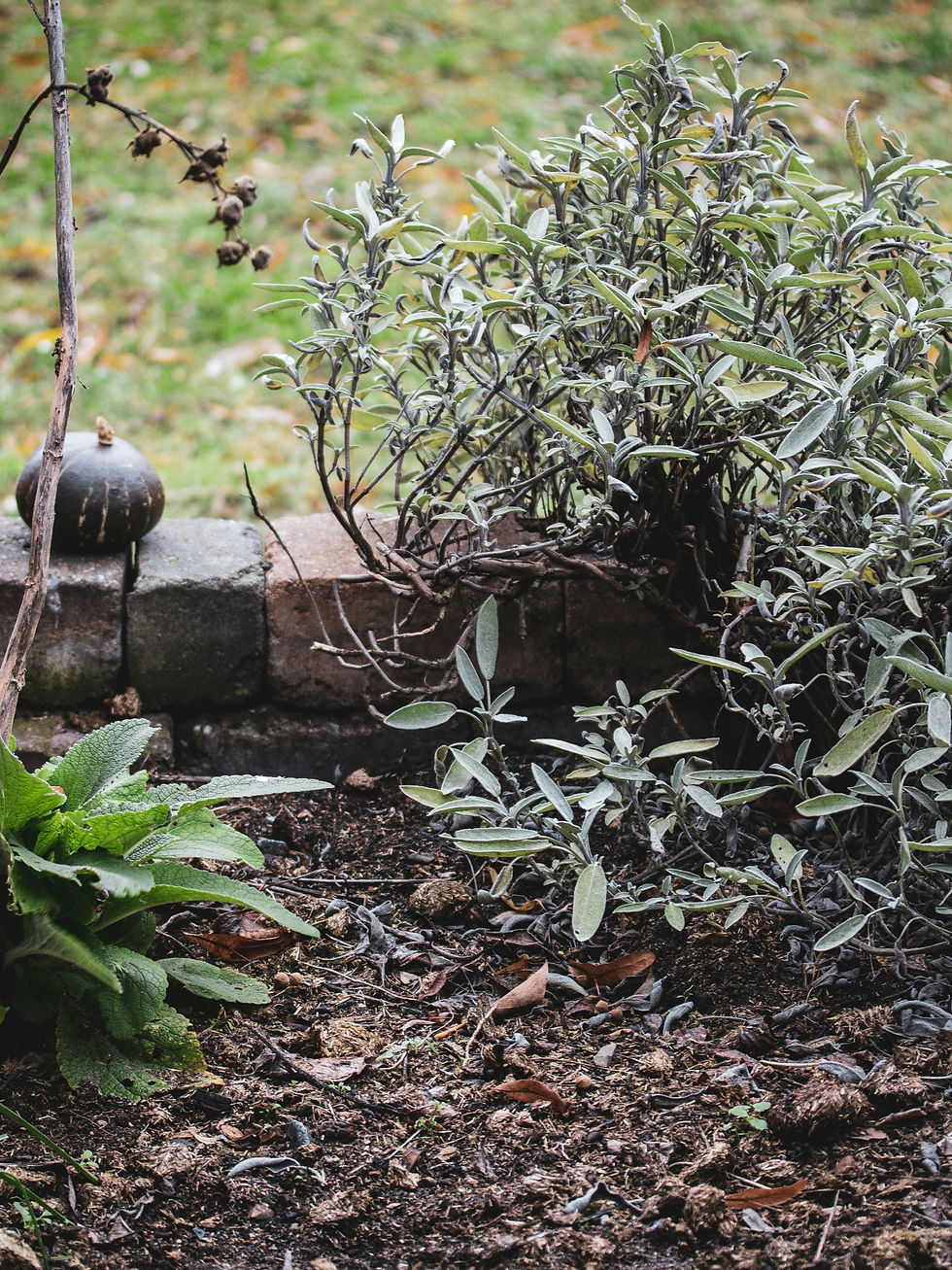
Timing and technique matter when it comes to mulch.
Spring: Apply once soil has warmed up to retain moisture through the hot months.
Fall: Mulch before frost to protect roots and conserve soil warmth.
How to Apply:
Remove weeds and old mulch before adding new layers.
Spread mulch 2–4 inches thick—too little won’t be effective, too much can suffocate roots.
Keep mulch a few inches away from plant stems or tree trunks to prevent rot and pests.
FAQ: What Is Mulch?
Q: Is mulch safe for all plants?A: Most plants benefit from mulch, but avoid piling it directly against stems or trunks as it can trap moisture and cause rot.
Q: How often should mulch be replaced?A: Organic mulches typically need refreshing once a year, while inorganic mulches can last several years with minimal upkeep.
Q: Can mulch attract pests?A: Some organic mulches, like wood chips, may attract insects if applied too thickly. Keep layers moderate and choose pest-resistant materials if this is a concern.
Create Your Perfect Outdoor Space with BY Design And Viz
At BY Design And Viz, we don’t just design interiors—we bring style and functionality to outdoor spaces too. From choosing the right mulch to designing complete garden layouts, our expert team ensures your outdoor space is as inviting as your home. Ready to elevate your garden? Contact us today to get started.


Comments