


Alabaster vs Pure White: The Comparison That Actually Helps You Decide

Updated: 5 days ago
Alabaster and Pure White are two of Sherwin Williams' most specified whites - and two of the most frequently misunderstood as a pair. Both are warm, both sit in a similar LRV range, and both appear on shortlists for rooms where the brief is a soft, inviting white that avoids the harshness of stark white. On a paint chip the difference looks minor. On a wall, and especially on adjacent surfaces, they create noticeably different atmospheres - and the reason comes down entirely to undertone.
Alabaster's warm cream-yellow undertone commits clearly to warmth. Pure White's near-neutral undertone sits just on the warm side of neutral - present but restrained, almost imperceptible in most conditions. These two colors are not just alternatives to each other. They are one of the most commonly used wall and trim combinations in the SW range, and understanding how they work both independently and together changes how confidently you can use them.
This guide covers exactly how Alabaster and Pure White differ in undertone, LRV, light behavior, and room application - with a clear verdict on which one to choose and when.

At a Glance
| Alabaster SW 7008 | Pure White SW 7005 |
LRV | 82 - warm off-white with body and depth | 84 - slightly brighter, near-neutral |
Undertones | Warm cream-yellow - clearly warm, restrained creaminess | Near-neutral with barely-there warmth |
Character | Warm, soft, broadly versatile off-white | Clean, crisp, bridges warm and cool palettes |
North-facing | Excellent - warmth counteracts cool indirect light | Excellent - near-neutral never reads yellow |
South-facing | Beautiful - warmth activates in good light | Beautiful - crisp and luminous |
On cabinets | Classic, warm, timeless result | Crisp, fresh, works with any palette |
Use together? | Yes - Alabaster walls / Pure White trim is a classic pairing | Yes - see above |
Trim pairing | Pure White SW 7005 or Extra White SW 7006 | Works as trim alongside almost any SW wall color |
Style fit | Traditional, transitional, organic modern, farmhouse | Contemporary, transitional, coastal, minimal, traditional |
Architect's pick | When warmth is the brief | When versatility and crispness are the brief |
SW Alabaster SW 7008 - What It Really Looks Like

Alabaster has an LRV of 82 and a warm cream-yellow undertone that is restrained but clearly present. It reads as a warm off-white in most light conditions - warm enough to feel genuinely inviting, restrained enough not to tip into obvious butter or cream territory. It is SW's most broadly versatile warm white precisely because the warmth is real but never overcommits.
Alabaster is a warm white that does not announce itself. It suits a wider range of interior styles and material palettes than more committed warm whites like Creamy or Dover White. It works alongside cool stone, contemporary fixtures, and mixed-temperature palettes without the undertone conflict a more obviously yellow-warm white would create. For the full picture on how Alabaster compares to Creamy, the Creamy vs Alabaster guide covers that comparison directly.
On trim, Alabaster is one of the most reliable warm-white trim choices in the SW range alongside deeper, warmer wall colors. On walls, Alabaster creates a backdrop that is clearly warm but never heavy - in rooms with warm wood floors and brass hardware it looks considered and beautiful.
SW Pure White SW 7005 - What It Really Looks Like
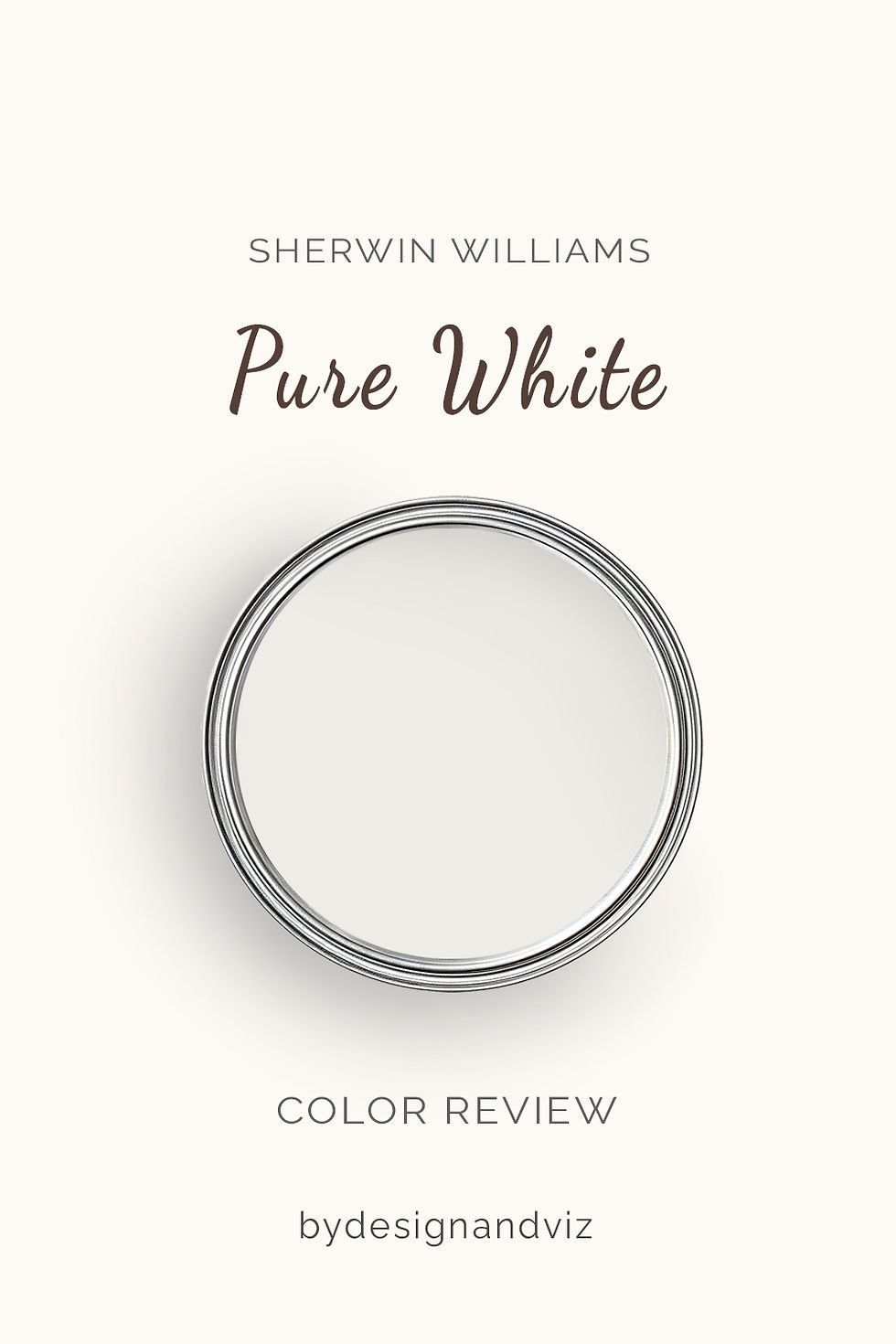
Pure White has an LRV of 84 - two points above Alabaster. The undertone sits close to neutral: there is the faintest warm quality, just enough to prevent Pure White reading cold or clinical, but so restrained that in most rooms most people simply register it as a clean, bright white rather than a warm white.
Pure White is the most versatile trim color in the Sherwin Williams range. Because it sits so close to neutral it bridges warm and cool palettes without committing to either direction. Alongside Alabaster walls it provides a crisp, considered contrast - the two-point LRV step and the undertone restraint of Pure White creates exactly the definition that makes an Alabaster scheme look finished and intentional.
On walls Pure White reads as bright and clean - closer to a proper white than an off-white. In rooms with a contemporary or minimal brief it is excellent. In rooms where warmth is specifically the brief, Alabaster delivers more. For how Pure White fits into the broader white family context, the Alabaster vs Chantilly Lace guide gives useful cross-brand reference.
For how Pure White compares to SW Dover White - the committed warm cream wall colour 2 LRV points below where Pure White is the standard trim choice - the Dover White vs Pure White guide covers why these two serve completely different roles in a scheme.
The Real Difference Between Alabaster and Pure White
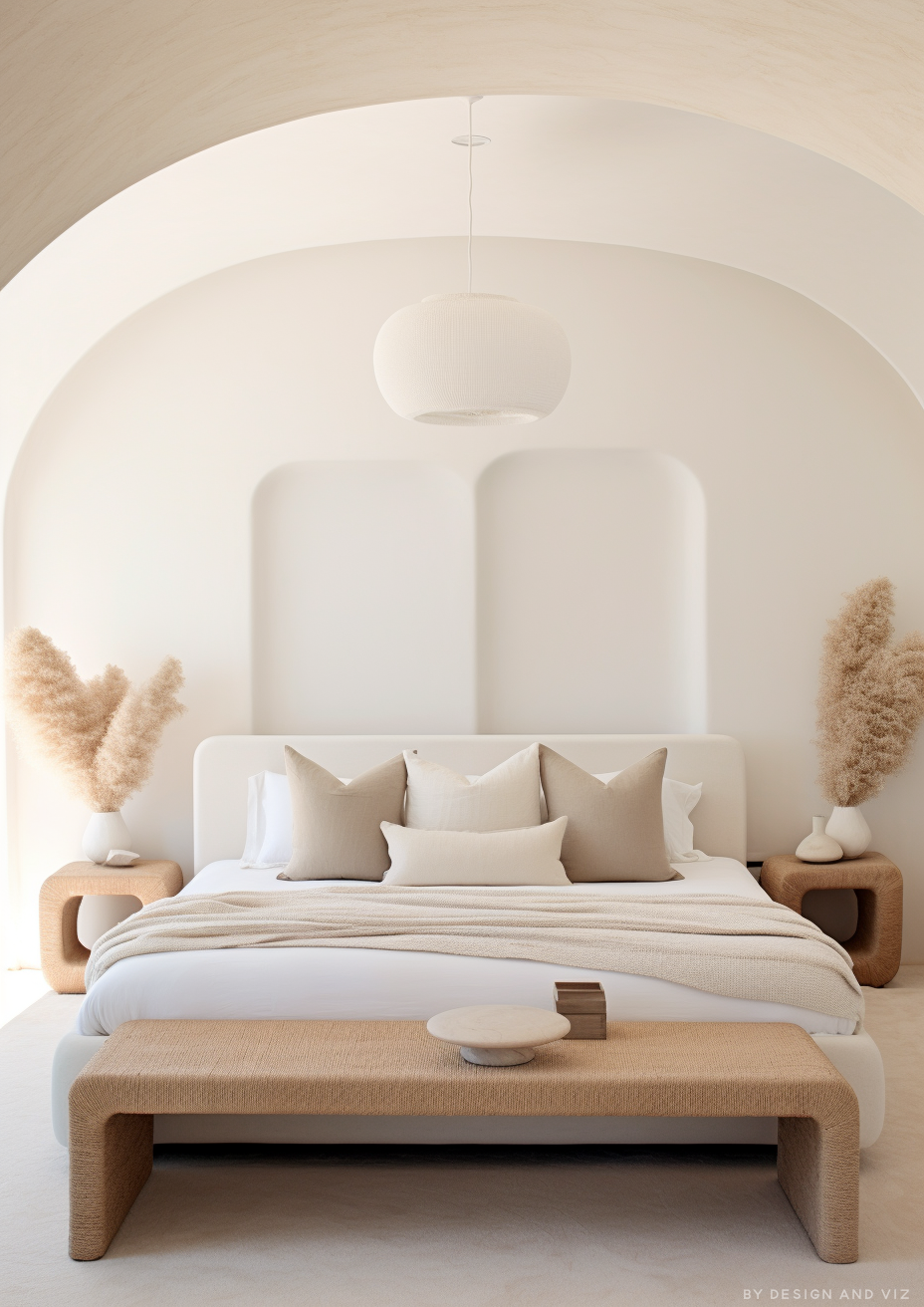
Alabaster is warm and shows it. Pure White is warm and barely shows it. That is the practical summary.
Side by side, Alabaster reads as the clearly warmer, more cream-quality color. Pure White looks almost neutral by comparison. In a room on their own the difference is subtler but visible: Alabaster rooms feel warm and settled, Pure White rooms feel clean and bright.
Alabaster works best when warmth is the specific brief - when the room's materials are warm and the goal is an enveloping, considered atmosphere. Pure White works in a wider range of contexts because its near-neutral quality never creates undertone conflict. It is the safer choice when the palette is mixed, uncertain, or contemporary.
The classic pairing is Alabaster on walls with Pure White on trim. The two-point LRV step and the restraint of Pure White's undertone create clean, considered definition against Alabaster's warmth. What to avoid: Pure White on walls with Alabaster on trim - the warmer trim against the crisper walls reads as unintentional rather than considered.
Not sure which one works for your room? A color consultation is included in all our design packages - book directly here. |
When to Choose Alabaster

Choose Alabaster when warmth is specifically the brief. Traditional, transitional, and organic modern interiors where a warm, settled atmosphere is part of the design intent. Rooms with warm wood floors, warm stone, and brass hardware where the white needs to tie into the warm palette. North-facing rooms - Alabaster's warmth counteracts the cool blue quality of indirect north light particularly well.
Avoid Alabaster when the palette is predominantly cool or contemporary - the cream-yellow undertone will create undertone conflict with cool-toned materials. And never use it adjacent to Chantilly Lace BM - the warmth of Alabaster against the crispness of Chantilly Lace makes both colors look worse. For the full Alabaster and Dover White context, the Dover White vs Alabaster guide covers those pairings in detail.
When to Choose Pure White

Choose Pure White when the palette is mixed, uncertain, or leans contemporary. Rooms where some materials are warm and others are cool - Pure White bridges both without committing to either direction. Contemporary and minimal interiors where a near-neutral white keeps the scheme clean. Exteriors - Pure White handles the full spectrum of outdoor light conditions without reading cream or yellow.
Pure White is the default trim choice for Alabaster walls and for most warm SW wall colors. If there is any uncertainty about which trim white to use alongside a warm SW wall color, Pure White is almost always the correct answer.
For the comparison of Pure White against BM Chantilly Lace — the crispest, most brilliant BM white at LRV 92 with a faint cool lean that reads as maximum-brightness architectural white — the Chantilly Lace vs Pure White guide explains the LRV difference and undertone distinction in full.
How the Pairings Differ

For Alabaster on walls, Pure White on trim is the most reliable and most commonly used combination. Extra White SW 7006 is the alternative for a slightly crisper result. Avoid Chantilly Lace alongside Alabaster walls - the 10-point LRV gap and the undertone clash make both colors look worse.
For flooring, both colors work with warm wood tones. Alabaster needs warm floors more urgently - cool grey stone or tile creates an undertone conflict. Pure White handles a wider range of floor finishes without conflict.

For hardware, both colors suit aged brass and brushed gold. Pure White also works comfortably with brushed nickel, matte black, and polished chrome. Alabaster is slightly less comfortable with very cool hardware finishes - the warm cream undertone can create a subtle tension with polished steel.
Architect's Verdict - Alabaster or Pure White?

For trim, ceilings, and cabinets in most homes - Pure White is the more broadly versatile and reliable choice. Its near-neutral quality works alongside almost every wall color and material palette without undertone problems. It is harder to get wrong.
Alabaster is the right choice on walls when warmth is specifically the brief - and when the room's light and materials support that warmth. Alabaster on walls with Pure White on trim is one of the most beautiful, most considered warm white schemes in the SW range. The warmth reads as intentional and the contrast between wall and trim reads as resolved.
For how Pure White compares to Snowbound - the neutral soft white that suits readers who find warmer whites too yellow in strong light - the Snowbound vs Pure White guide shows which one wins on cabinets, walls and trim, and where each one struggles.
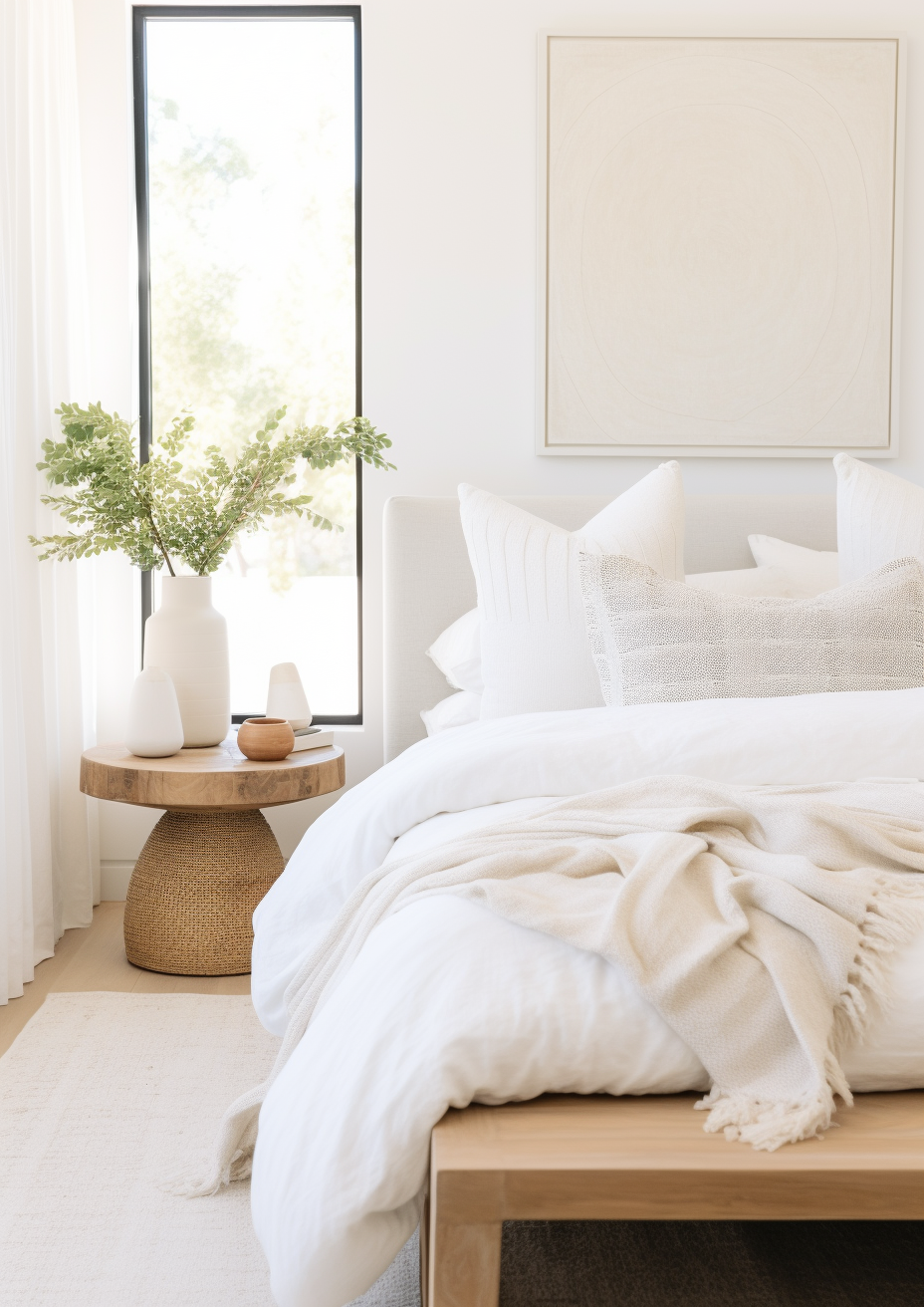
The test: hold large samples of both in your room under morning light and your evening artificial lighting. If Alabaster looks warm and settled in both conditions, choose Alabaster on walls. If it reads slightly heavy under your artificial light, Pure White on walls is your answer. For the full standalone review of Snowbound - its undertones, LRV, and exactly when it works - the Sherwin-Williams Snowbound review covers everything in detail.
Frequently Asked Questions

Is Alabaster warmer than Pure White?
Yes - clearly. Alabaster has a warm cream-yellow undertone that reads as genuinely warm in most light conditions. Pure White's undertone is so restrained that most people register it as a clean white rather than a warm white. The difference is visible side by side in warm natural light.
Can I use Alabaster on walls and Pure White on trim?
Yes - this is one of the most effective SW warm white pairings. The two-point LRV step up and Pure White's near-neutral undertone provide clean, considered definition against Alabaster's warmth. It works beautifully across most room types and interior styles.
Can I use Pure White on walls and Alabaster on trim?
No - avoid this combination. The warmer trim alongside the crisper walls reads as an unintentional color mismatch. If you want Alabaster in the mix, put it on the walls and use Pure White on the trim.
Which is better for kitchen cabinets?
Both work well but create different results. Alabaster on cabinets creates a warm, timeless, classic result - best for farmhouse and organic modern kitchens with warm stone and brass hardware. Pure White on cabinets creates a crisper, more contemporary result that works with a wider range of countertop and hardware finishes. The choice follows the kitchen's style and palette.
What is the LRV of Alabaster vs Pure White?
Alabaster SW 7008 has an LRV of 82 and Pure White SW 7005 has an LRV of 84. The two-point gap is visible at sample scale but not dramatic on a full wall. The more meaningful difference is the undertone - Alabaster's warm cream-yellow versus Pure White's near-neutral - not the reflectance.
Final Thought
Alabaster and Pure White are both excellent Sherwin Williams whites. The choice between them is not about which is better - it is about which one your room, your palette, and your brief can support.
If warmth is the brief and your materials are warm throughout - Alabaster on walls with Pure White on trim is one of the most beautiful combinations in the SW range. If versatility is the brief and the palette is mixed or contemporary - Pure White on walls and trim keeps everything clean and resolved. Buy sample pots of both, paint large patches side by side, and look at them across a full day. The answer will be clear within 24 hours.
Want a complete color scheme built around Alabaster or Pure White? Our design packages cover full palette selection, finish recommendations, and 3D visualizations - see our packages. |
About the Author
Beril Yilmaz is a qualified architect and interior designer based in the UK. She runs BY Design And Viz, a design platform covering paint color reviews, interior design guidance, and residential design projects. Beril has applied both Sherwin Williams Alabaster and Pure White across residential projects in the UK and internationally - often on the same project, on walls and trim respectively.


Comments