


Best Home Office Lighting for Eyes

Updated: Apr 25
Lighting in a home office, funny how it's both overlooked and, at the same time, the thing that can make or break a workday. Some say it's just about being able to see, but anyone who's spent hours at a desk knows it's about so much more: comfort, focus, and dodging those headaches that seem to show up right on schedule.
Ever catch yourself squinting at your monitor or rubbing your eyes by 3 p.m.? That's not just screen time talking. The right lighting setup? It's a game-changer, or so the experts claim.
This guide doesn't promise miracles, but it does dig into:
Lighting types and how they might (or might not) help your eyes
Where to put your lamps and why layering isn't just for cakes
Bulb specs, color temperature, and brightness, because not all light is created equal
Common mistakes, plus a few expert-backed fixes (though even the pros don't always agree)
Why Does Lighting Matter for Eye Health?

It's easy to blame screens for tired eyes, but lighting deserves just as much suspicion. Ever notice how your eyes feel gritty or your head starts pounding after a long day at the desk? That's not just digital fatigue. According to the American Optometric Association, "More than half of office workers who use computers daily experience eye strain from their environment."
Lighting that's too harsh or too dim? It forces your eyes to work overtime. And blue light, from screens and those icy, cool-toned bulbs, can mess with sleep and focus. Getting this right isn't just about comfort; it's about protecting your vision for the long haul. Or so the research says. But is there really a perfect setup?
What Are the Signs Your Lighting Is Hurting Your Eyes?
Lists like this pop up everywhere, but the symptoms are hard to ignore, unless you're one of the lucky few who never gets headaches at work:
Frequent headaches or migraines during or after work (though sometimes, who knows if it's the lighting or the workload)
Dry, itchy, or watery eyes
Blurred or double vision
Neck and shoulder pain from awkward postures (because who hasn't hunched over a laptop at some point?)
Needing to squint or move closer to your screen
Of course, these could be caused by a dozen other things. But lighting? It's a usual suspect.

How Does Lighting Affect Focus and Fatigue?
Lighting that mimics daylight is supposed to keep you alert and focused. That's the theory, anyway. Dim or flickering lights, on the other hand, can make you feel sluggish and zap your productivity. The right setup keeps your energy up and your eyes relaxed, even on those marathon workdays. Or so the story goes. But does anyone really get it perfect?
What Are the Best Types of Lighting for Home Offices?

There's no magic formula, but some lighting types do seem to get more love from eye health experts. Still, what works in one room might flop in another.
1. Is Natural Light Really Best?
Natural light gets all the hype. Position your desk near a window, but not so sunlight hits your screen directly. Use blinds or sheer curtains to control glare. If you can, aim for at least three hours of daylight in your workspace.
But what if you're in a basement or a windowless room? Mimic daylight with full-spectrum LED bulbs. It's not quite the same, but it's better than nothing. Or is it?
2. What's the Role of Task Lighting?
Task lighting is the unsung hero of focused work. A well-placed desk lamp lets you direct light exactly where you need it, on your keyboard, notebook, or paperwork, without flooding the whole room.
For flexibility and fewer cords, a cordless table lamp is a smart pick. It lets you move your light source wherever you need it, cutting down on shadows and eye strain. But does everyone need one? That's up for debate.
3. How Should You Use Overhead and Accent Lighting?
Overhead lights set the mood, but they shouldn't be your only source. Soft, diffused ceiling lights work best. Avoid harsh, direct bulbs that cast strong shadows or glare.
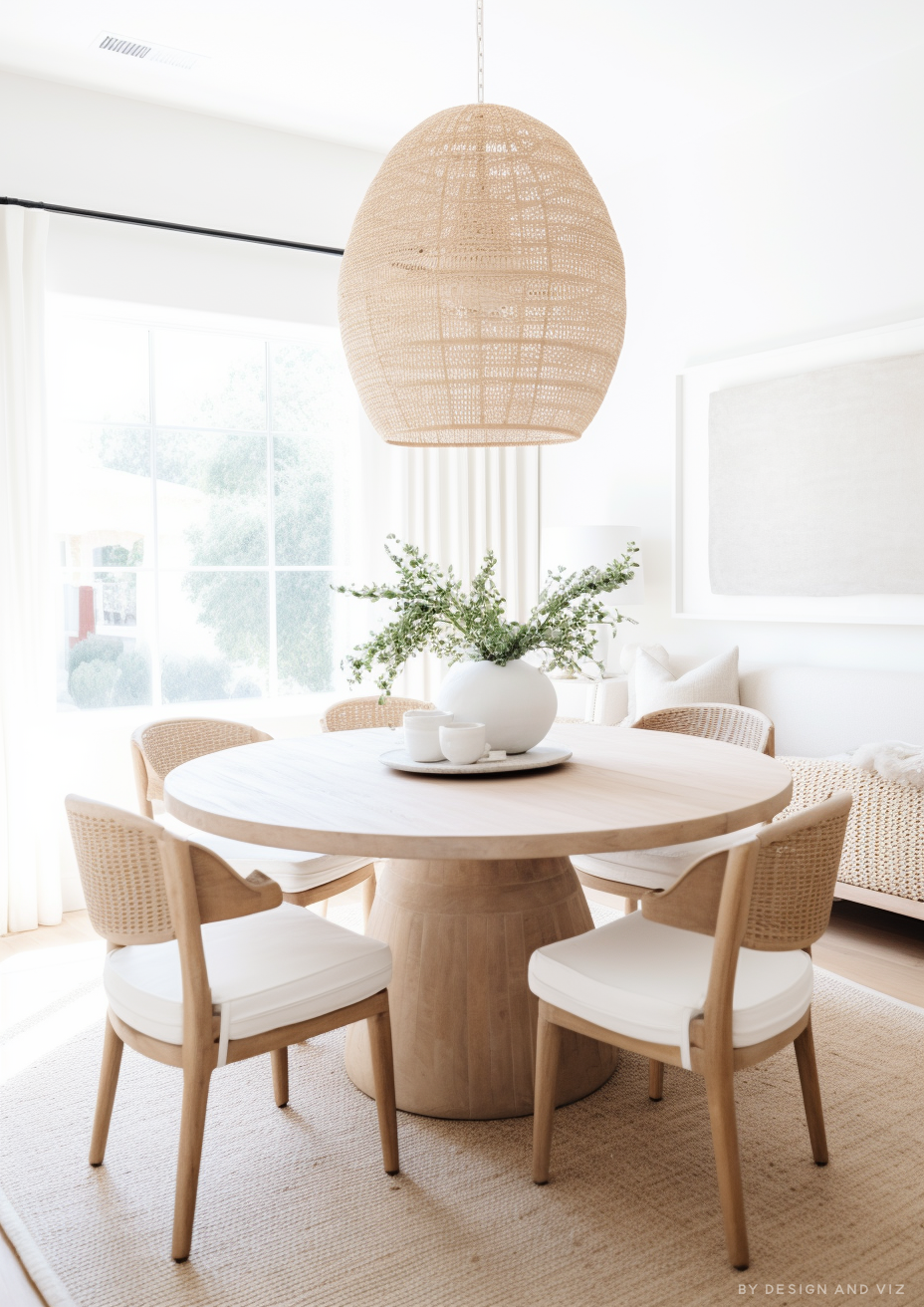
Accent lighting adds depth and style. For example, a dining room chandelier can double as a statement piece and a source of gentle, ambient light, especially if your office shares space with a dining area or open-plan room. But is it practical? Sometimes style wins over function.
How Do You Choose the Right Bulbs and Specs?

Not all bulbs are created equal. The wrong choice can leave your eyes feeling fried by lunchtime. But with so many options, how do you pick?
1. LED, Incandescent, or Fluorescent: Which Is Best?
LED bulbs are the top pick for most home offices. They last longer, use less energy, and cast a softer, more natural light. Incandescent bulbs are easy on the eyes but less efficient. Fluorescents? Skip them, they flicker and can trigger headaches. Or so the consensus goes, though some still swear by old-school bulbs.
2. What's the Best Color Temperature for Eyes?
Stick with bulbs in the 2700K–4000K range. These give off a warm, inviting glow that's easy on your eyes. Cooler, blue-white bulbs (5000K and up) can make your space feel sterile and strain your vision. But again, personal preference sometimes trumps the numbers.
3. How Bright Should Your Office Be?
Aim for 500–1000 lumens at your desk. Too bright, and you'll get glare. Too dim, and your eyes will work overtime. Dimmable bulbs or lamps let you adjust as daylight changes. But who's measuring lumens at home, really?
What Mistakes Should You Avoid With Home Office Lighting?

Even the best intentions can backfire if you miss a few key details. And let's face it, everyone slips up sometimes.
Why Is Overhead Lighting Alone a Problem?
A single ceiling light creates harsh shadows and uneven brightness. This forces your eyes to work harder, especially if you're reading or typing. But sometimes, it's the only option in a rental.
What Happens If You Ignore Color Temperature?
Using bulbs that are too cool or too warm can throw off your focus and comfort. Stick to the sweet spot (2700K–4000K) for a balanced, natural feel. But what if you like a blue glow? The debate continues.
Why Skipping Task or Accent Lighting Hurts
Without focused task lighting or soft accent lights, you'll end up with eye strain and a bland workspace. Mix it up for both comfort and style. Or don't, just be ready for the consequences.
What Do the Experts Say About Eye-Friendly Lighting?

Experts agree: the right lighting setup is a game-changer for eye health. Or at least, that's the party line.
"More than half of office workers who use computers daily experience eye strain from their environment.", American Optometric Association
"Layered lighting, combining ambient, task, and accent sources, lets you control brightness and mood, which is key for comfort and productivity." Lighting designer Naomi Miller
But even the pros admit there's no perfect formula. What works for one person might not work for another.
How Can You Protect Your Eyes All Day?
Follow the 20-20-20 rule: every 20 minutes, look at something 20 feet away for 20 seconds.
Use blue light filters on screens and consider glasses with blue light blocking lenses.
Adjust your lighting for each task, reading, typing, or video calls all need different setups.
Of course, remembering to do all this is another story.
Comparison Table: Lighting Types for Home Offices

It's tempting to think a table will solve everything, but even these numbers can't account for personal quirks or weird room layouts. Still, here's how the main options stack up, at least on paper:
Lighting Type | Eye Comfort | Cost | Adjustability | Lifespan |
Natural Light | Excellent | Free | High | Daylight only |
LED Bulb | Great | Low-Med | High | 10+ years |
Incandescent Bulb | Good | High | Medium | 1-2 years |
Fluorescent Bulb | Poor | Low | Low | 5-7 years |
Accent/Decorative | Good | Med-High | High | Varies |
But does anyone really pick lighting based on a chart? The real world is messier.
FAQs
What is the best lighting for home office to reduce eye strain?
Natural light is usually the top pick, but not everyone has a sun-drenched workspace. Warm LED bulbs (2700K–4000K) and a mix of task, ambient, and accent lighting tend to keep eyes comfortable, at least, that's what most sources suggest. But there's always someone who swears by a different setup.
What is the healthiest lighting for your eyes?
Warm LED or incandescent bulbs with a lower Kelvin rating are said to be gentler on the eyes. Full-spectrum bulbs that mimic daylight get a lot of praise, too. Still, "healthiest" is a moving target, what's soothing for one person might be irritating for another.
Is soft white or daylight better for eyes?
Soft white (warm) bulbs are easier on the eyes for long work sessions, according to most reports. Daylight bulbs can be too harsh and may cause strain if used alone. But then again, some people love that crisp, blue-white look. Go figure.
How do I position my desk to avoid glare?
The standard advice: put your desk so windows are to the side, not directly in front or behind your screen. Use blinds or curtains to control sunlight and reduce reflections. But in a cramped room, sometimes you just have to make do.


Comments