


How to Use Extra White Sherwin Williams Without Making Your Home Look Flat

Extra White Sherwin Williams is one of those paint colours people choose with total confidence. It’s white. It’s popular. It’s on a thousand trim lists. What could go wrong.
Then it goes on the walls, or the ceilings, or the trim, and the room starts behaving differently. The floors look more yellow. The worktops look more grey. The sofa fabric suddenly reads dull. It’s not that
Extra White is “bad” — it’s that it’s honest, and it will expose every undertone in the space.
In this post, we’re breaking down how designers use Extra White Sherwin Williams so it stays clean and intentional rather than flat and unfinished. You’ll know when it’s the right choice, what to pair it with, and how to test it properly before committing.
At A Glance
-How Extra White Sherwin Williams behaves in north, south, east, and west ligh
-Where Extra White Sherwin Williams works best walls, trim, ceilings, cabinets
-How to stop Extra White Sherwin Williams from looking grey, icy, or flat
-What finishes and materials make Extra White Sherwin Williams look sharper
-How to test Extra White Sherwin Williams the designer way
-What to do if Extra White Sherwin Williams is already on your walls
1. Extra White Sherwin Williams: What It Actually Is Before You Paint Anything

Extra White Sherwin Williams is a clean white that leans cool compared to many “creamy” whites. That sounds simple, but it’s the reason it can look excellent in some homes and slightly clinical in others.
If your room already has cool elements — think grey stone, stainless steel, chrome hardware, blue-based fabrics, or a lot of shade — Extra White Sherwin Williams can look sharp and consistent. If your room has warm elements — honey oak, beige tiles, warm LEDs, or brass-heavy finishes — Extra White can create contrast that reads accidental rather than deliberate.
The goal is not to chase the “whitest white.” The goal is a white that supports the fixed finishes you can’t change.
Designer Tip: Before choosing Extra White Sherwin Williams, list your fixed finishes first floors, worktops, tiles, and the main upholstery fabric.
YOU MAY LIKE

2. Extra White Sherwin Williams: Why Lighting Changes It More Than You Expect

Lighting is the reason two people can use Extra White Sherwin Williams and feel like they painted completely different colours.
North-facing rooms often push whites cooler and more muted, so Extra White Sherwin Williams can read grey-leaning or slightly icy. South-facing rooms add a yellow cast through daylight, which can make Extra White look brighter and sometimes sharper against warm woods. East light can feel clear in the morning and flatter later, while west light often turns warm and dramatic in the afternoon.
This is why a paint chip is almost meaningless on its own. Extra White isn’t just a colour — it’s a reaction to your room’s light.
Designer Tip: Test Extra White Sherwin Williams on at least two walls, including the darkest corner of the room.
3. Extra White Sherwin Williams: The Fastest Way It Ends Up Looking Flat

When people say a white looks “flat,” they usually mean one of three things: the room lost contrast, the textures disappeared, or the trim and walls blend into one unbroken block.
Extra White Sherwin Williams can do that if everything is painted the same sheen and the same colour with no architectural breaks. Flatness isn’t only about the paint colour — it’s about how the room is layered. If you paint walls, trim, and ceiling all in the same white, you need other forms of structure: shadow gaps, panel lines, varied materials, or considered lighting.
White rooms that look finished usually have planned contrast, not random contrast.
Designer Tip: If you’re using Extra White Sherwin Williams widely, vary sheen levels to create separation between surfaces.
Let’s Map Out Your Space Together
If you're planning a makeover and want a designer’s eye on how stick on tiles could work in your home, we’d love to help you visualise the transformation. Book a free 30-minute consultation and let’s sketch out a layout that feels tailored to your space.
4. Extra White Sherwin Williams: Where It Works Best Walls vs Trim vs Ceilings

Extra White Sherwin Williams is often used on trim and ceilings because it reads clean and frames wall colours clearly. On trim, it can look crisp against stronger wall colours and helps modernise traditional profiles.
On ceilings, it can brighten the plane and make crown details look sharper. On walls, it’s more of a commitment, because you’re placing a cool-leaning white across a large area that will pick up every undertone in the room.
If you love a “white room,” Extra White can absolutely work — but it needs the right supporting cast: the right bulbs, the right flooring tone, and enough contrast in furnishings so the space doesn’t feel unfinished.
Designer Tip: If you’re unsure, start with Extra White Sherwin Williams on trim and ceiling first before committing to walls.
5. Extra White Sherwin Williams: The Undertone Pairings That Make or Break It
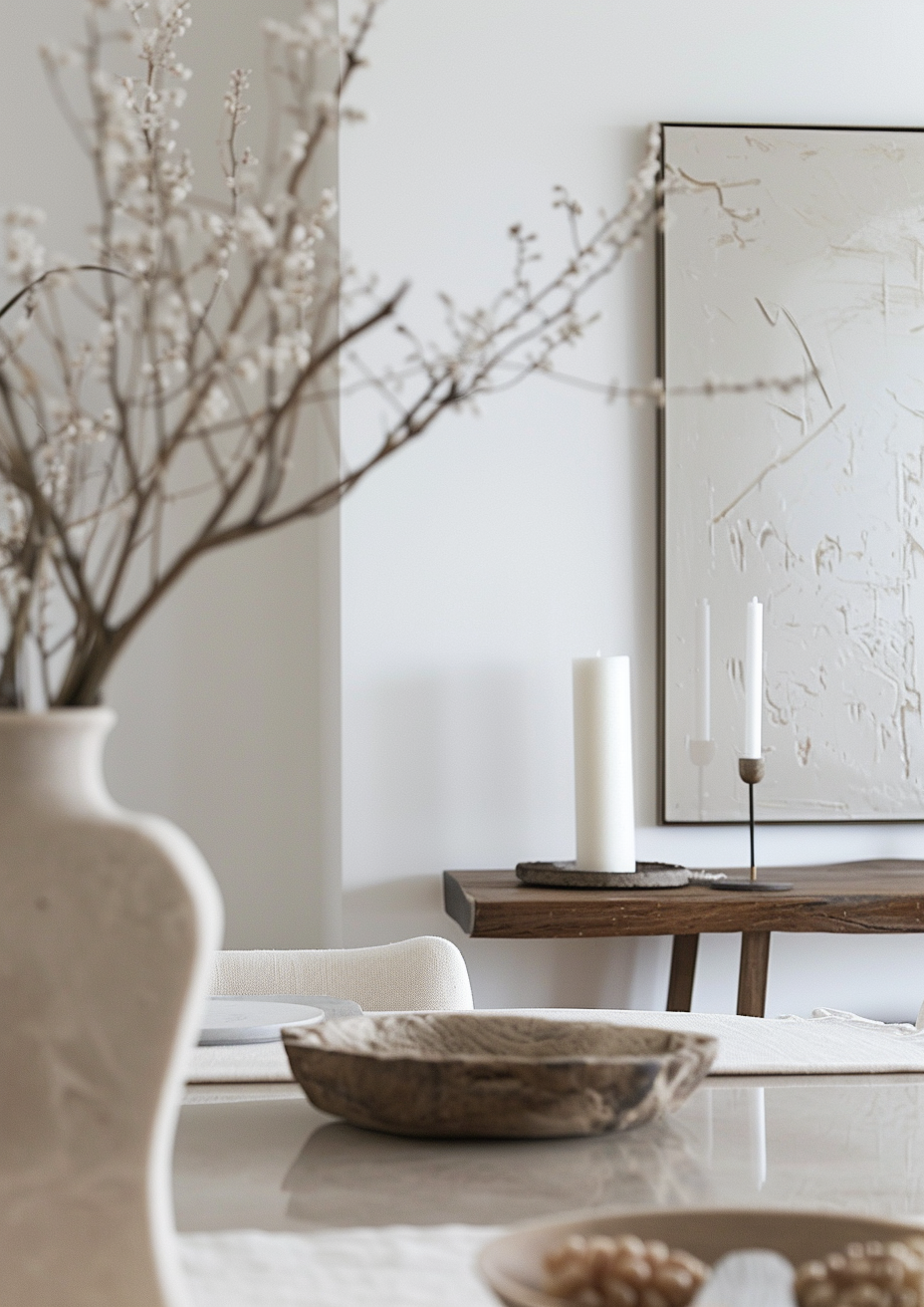
Extra White Sherwin Williams tends to behave best with materials that don’t fight its cool clarity.
It usually pairs well with:
-Light to mid greys that don’t read purple
-Black accents that are truly black, not brown-black
-Cool marbles and quartz with grey veining
-Stainless steel and chrome finishes
It can be trickier with:
-Orange-leaning woods
-Beige tiles with a pink cast
-Warm off-white fabrics that read creamy
-Very yellow LEDs
This isn’t about “rules.” It’s about what your eye reads as intentional.
If your finishes lean warm, you can still use Extra White — you just need to plan transition points, like introducing a buffer colour or changing the white on walls.
Designer Tip: Hold your tile, flooring sample, and a piece of white fabric next to an Extra White sample in daylight before deciding.
6. Extra White Sherwin Williams: The Paint Finish Choices That Stop It Looking Cheap

White paint shows application quality more than darker colours. If Extra White Sherwin Williams looks patchy, streaky, or dull, it’s often an application or finish issue, not the shade itself.
Walls usually perform best in a durable matte or eggshell depending on the space. Trim typically looks sharper in satin or semi-gloss because the slight reflection creates definition. Ceilings often suit a flat finish to reduce glare and hide surface imperfections.
Mixing finishes is one of the easiest ways to keep an all-white scheme from looking like a blank primer coat.
Designer Tip: Use Extra White Sherwin Williams in different sheens on different surfaces to create built-in definition.
Your Renovation, Simplified
If you’re diving into a big home update, our Ultimate Renovation Planner can make the entire process far easier. From material planning to budgeting, it’s designed to keep your project organised while
helping you visualise every detail. Explore the planner and plan your makeover with clarity.
7. Extra White Sherwin Williams: How to Test It Like a Designer

Testing Extra White Sherwin Williams properly is the difference between confidence and repainting.
Here’s the designer method:
-Paint a large sample, not a tiny square
-Test it on two walls, including the one that gets the least daylight
-Check it in the morning, mid-day, and evening with your lights on
-Place it next to your floor and worktop samples, not by itself
If you’re using it on trim, test it against the wall colour you’re planning. If you’re using it on walls, test it next to your textiles. White is never just white in isolation.
Designer Tip: View your Extra White Sherwin Williams sample with your evening lights on, because that’s how you’ll live in the room most of the year.
8. Extra White Sherwin Williams: What to Do If It Already Feels Too Harsh

If Extra White Sherwin Williams is already on your walls and it feels harsh, you don’t necessarily need to repaint immediately. Often, the issue is the supporting elements.
Start with lighting. If you have cool LEDs, switching to a warmer temperature can change the entire feel of the white. Next, add contrast through textiles and furniture finishes: a deeper rug, a more grounded sofa tone, darker wood, or black accents can stop the room reading like a blank box.
Artwork also matters. White walls with no visual anchors feel unfinished. One large piece can create structure instantly.
Designer Tip: Adjust lighting first before repainting, because light is often the real culprit.
9. Extra White Sherwin Williams: The Best Way to Use It in Open-Plan Spaces

Open-plan areas are where Extra White Sherwin Williams can either unify the space or highlight every transition that wasn’t planned.
If your kitchen, dining, and living zones connect, the white on trim and ceilings should usually stay consistent for continuity. Walls can shift slightly by zone, but the transitions should be intentional: one step in tone, not three competing whites.
Open-plan also means the white will sit next to multiple finishes at once — flooring, cabinetry, upholstery, and metalwork. Extra White can handle that if the palette is edited and the lighting is consistent across zones.
Designer Tip: In open-plan layouts, keep Extra White Sherwin Williams consistent on trim and ceilings to avoid visual chopping.
10. Extra White Sherwin Williams: The Mistakes That Cause the Most Regret

Extra White Sherwin Williams rarely fails because of the colour itself. It fails because of rushed decisions.
The most common mistakes:
-Choosing it from a paint chip without testing
-Using it with warm bulbs in one room and cool bulbs in the next
-Painting walls, trim, and ceiling the same colour and same sheen
-Ignoring the undertone of flooring and tiles-Assuming “bright white” equals “safe white”
If you slow down and test properly, Extra White can be a strong choice, especially for trim, ceilings, and modern schemes that rely on clarity and contrast.
Designer Tip: Treat Extra White Sherwin Williams as a design decision, not a default.
11. Extra White Sherwin Williams: Simple Pairings That Make It Look Intentional

If you want Extra White Sherwin Williams to look finished, pair it with elements that bring structure.
This can be as simple as:
-Black window frames or black hardware for crisp contras
t-White oak or ash finishes for a modern natural balance
-Stone surfaces with clear grey veining rather than beige-heavy patterns
-Textiles that lean neutral without looking creamy
When the palette is edited, Extra White reads like a deliberate backdrop rather than an unfinished base coat.
Designer Tip: Build a three-part palette around Extra White Sherwin Williams: one dark anchor, one mid-tone, and one natural material.
Conclusion
Extra White Sherwin Williams can be a brilliant choice when you use it intentionally. It’s clean, clear, and confident — and it will also reveal the truth about your lighting, your undertones, and your finishes.
If you want it to avoid looking flat, the solution is rarely “pick a different white” straight away. More often, the solution is contrast, sheen planning, lighting consistency, and testing it in the spaces where you actually live.
Once you treat Extra White Sherwin Williams like a full-room decision rather than a default, it stops being risky and starts being useful.
FAQ: Extra White Sherwin Williams
Is Extra White Sherwin Williams too bright for walls?
Extra White Sherwin Williams can work on walls, but it’s more sensitive to lighting and undertones than many softer off-whites. Testing is essential.
Does Extra White Sherwin Williams look grey?
In north-facing rooms or shaded spaces, Extra White Sherwin Williams can read slightly grey-leaning. Lighting and surrounding finishes strongly affect this.
What trim colour works best with Extra White Sherwin Williams walls?
Many people use Extra White Sherwin Williams on trim with slightly deeper or softer whites on walls for contrast. Matching sheen levels also helps define the trim.
Can I use Extra White Sherwin Williams on cabinets?
Yes, but cabinet finishes show wear and texture easily. The right sheen, proper prep, and consistent lighting help it look sharp rather than patchy.
Start Your Dream Home Transformation
Our online design packages were created to make the entire process smoother, clearer, and far more enjoyable — no stress, no second-guessing. Whether you’re refreshing one room or reimagining your whole home, we guide you every step of the way with layouts, visuals, and a fully personalised design plan.
See our interior and exterior design packages to get started.
Author Bio
Beril Yilmaz is the founder of BY Design And Viz, an online interior and exterior design studio specialising in clear layouts, thoughtful architectural details, and design decisions that support how people actually live. With a background in architecture and a practical design approach, her work focuses on creating homes that feel considered, functional, and intentionally designed.



Comments