


A Guide to Healthier, Safer, and More Sustainable Furniture Choices

Updated: Apr 25
Furnishing a home is more than just filling a space; it’s about creating comfort, function, and personal expression.
The scale of this industry reflects its importance. According to Statista, the global furniture market is projected to generate $729.73 billion in 2025 and continue growing at a CAGR of 2.78% from 2025 to 2030. Within this landscape, living room furniture stands out as the largest segment, with an estimated market volume of $213.55 billion in 2025.
Yet behind this booming demand lies a more complex reality. Much of the traditional furniture industry still depends on materials and processes that can compromise both human health and environmental well-being. From VOCs in finishes to flame retardants and other synthetics, conventional furniture often contributes to indoor air pollution and long-term health risks.
This guide explores how to choose furniture that blends great design with lasting health and sustainability benefits.
Prioritize Non-Toxic Materials

Creating a healthy home starts with prioritizing non-toxic materials. Solid wood furniture is an excellent choice, as it's free from the formaldehyde and volatile organic compounds (VOCs) often found in MDF.
When selecting upholstery, opt for natural fibers like organic cotton, wool, or linen over synthetic options to avoid petrochemicals and microplastics. Even the finishes on your furniture can release harmful toxins, so look for low-VOC or zero-VOC paints and sealants.
Additionally, according to the Los Angeles Times, "food-safe" kids' furniture is setting a new industry standard as parents demand healthier products. To ensure you're making a truly healthy choice, look for key certifications like UL/GREENGUARD® Gold, which tests for over 360 VOCs.
Other important certifications include FSC®, CDPH Section 01350, and adherence to FDA, Prop 65, and ASTM standards. These certifications are crucial for ensuring a product is genuinely safe and not "greenwashed."
Rethink Safety Beyond Structure

Beyond just structure, furniture safety includes every detail of a product's design and materials. Ergonomic designs, for example, are crucial for supporting healthy posture and preventing long-term strain. But a major concern lies in fire safety and the use of toxic flame retardants.
While these chemicals are added to furniture to reduce flammability, research has linked them to significant health hazards, including hormone disruption.
A peer-reviewed study published in the Environmental Pollution journal found 25 types of toxic flame retardants in the breast milk of American mothers. These compounds, like brominated flame retardants (BFRs), pose a "disturbing" threat to infants, as early-life exposure is of greatest concern.
One class of these chemicals, polybrominated diphenyl ethers (PBDEs), was found even though they were phased out by manufacturers over a decade ago. By choosing furniture that avoids these chemicals, you are protecting your family's long-term health.
Check Hidden Chemical Risks in Furniture Production

Furniture manufacturing can expose consumers to hidden chemical risks. Components like foams, fabrics, and adhesives often undergo sterilization or treatments that, while enhancing durability, can introduce hazardous substances. One such chemical is ethylene oxide (EtO), a gas used for sterilization.
Scientific research has linked long-term exposure to EtO to an increased risk of cancers and respiratory issues. This issue gained national attention through the Sterigenics lawsuit in Atlanta.
According to TorHoerman Law, Sterigenics, owned by Sotera Health LLC, allegedly released hazardous levels of EtO from its Smyrna, Georgia, facility. Nearby residents and workers were reportedly exposed to dangerous emissions. For consumers, this underscores the importance of asking about manufacturing practices and choosing furniture with low-toxicity or chemical-free certifications.
Opt for Eco-Friendly and Sustainable Choices

Sustainability plays a pivotal role in creating healthy interiors while supporting a healthier planet. Choosing materials such as reclaimed wood, bamboo, and recycled metals reduces environmental footprints compared to traditional alternatives.
Shoppers can also look for trusted certifications like FSC (Forest Stewardship Council) and Greenguard. Other labels, such as OEKO-TEX or Cradle to Cradle, further ensure higher sustainability and safety standards.
Opting for timeless, durable furniture further extends life cycles and minimizes landfill waste, making longevity an essential part of eco-conscious design. According to Market.Us, the global eco-friendly furniture market is projected to reach $100.4 billion by 2034, up from $43.6 billion in 2024. It is expected to grow at a CAGR of 8.7% between 2025 and 2034.
This growth highlights a major industry shift, as environmentally aware consumers increasingly prioritize sustainable choices over short-lived trends.
Maintain Clean Indoor Air and Healthy Ventilation
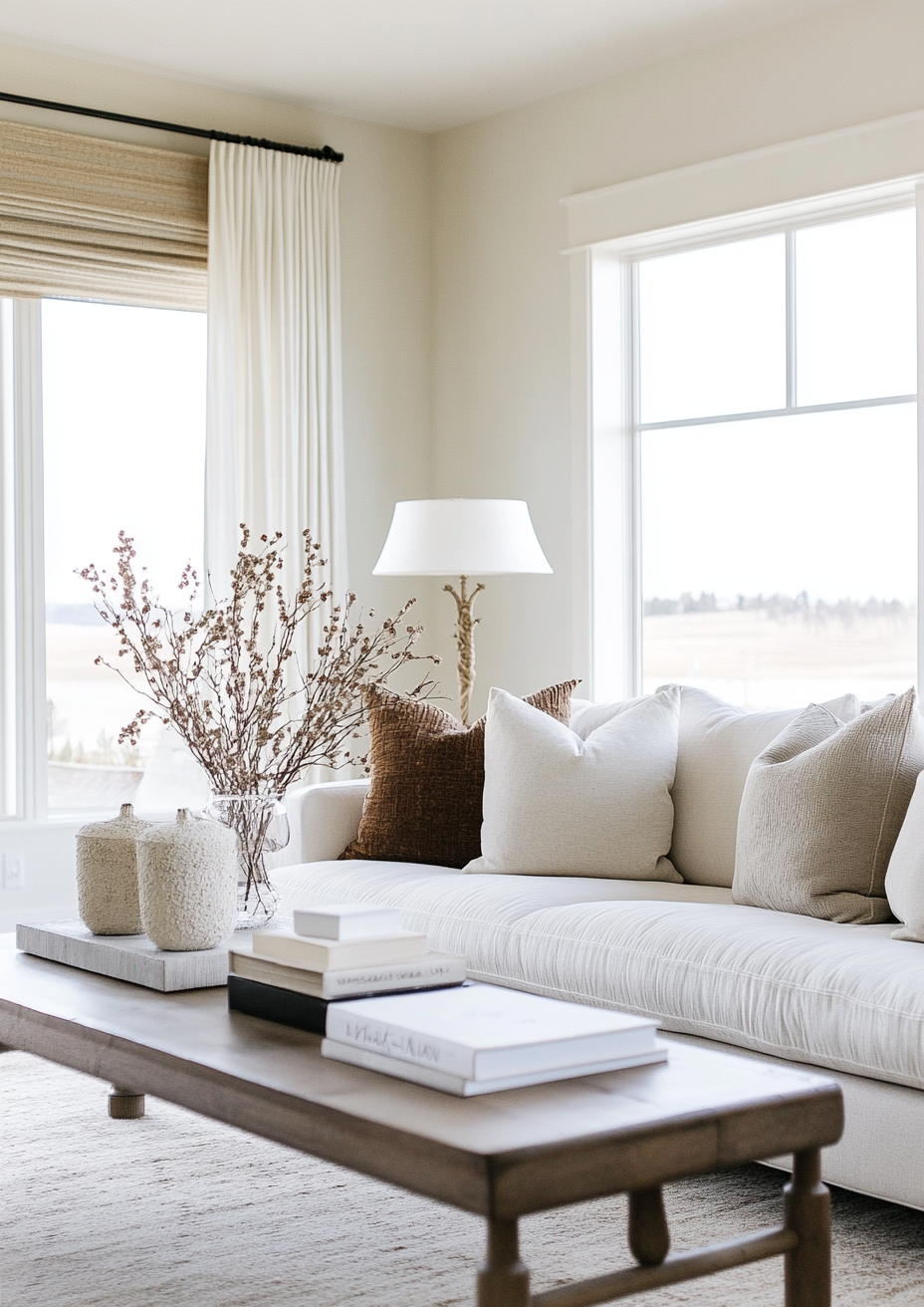
Bringing new furniture into your home often comes with a “new furniture smell.” According to Forbes, this scent signals off-gassing, the release of VOCs into the air. Experts note that VOC levels indoors can be five to ten times higher than outdoors, with polyurethane foam in furniture being a common source.
Although occasional exposure is usually harmless, prolonged inhalation of VOCs may contribute to lung damage, neurological issues, or even cancer. Some off-gassing dissipates quickly, which makes secondhand furniture a safer, non-toxic option.
However, certain materials continue releasing VOCs as they age and break down.
To safeguard your home’s air quality, ensure proper ventilation when adding new furnishings and consider using plants or air purifiers to reduce lingering pollutants.
Frequently Asked Questions
Does furniture contain formaldehyde?
Yes, many types of furniture can contain formaldehyde, especially pieces made with pressed wood, particleboard, or MDF that use formaldehyde-based adhesives. These materials may release formaldehyde gas over time, a process known as off-gassing. Choosing low-emission, certified, or solid wood furniture helps reduce exposure and supports healthier indoor air.
How can Ethylene Oxide exposure be minimized when buying furniture?
To minimize ethylene oxide exposure when buying furniture, choose products made with natural, low-toxicity, or certified eco-friendly materials. Avoid products made with harsh chemical treatments or synthetic foams. Ensure proper ventilation when introducing new pieces, and consider used or pre-aired furniture to reduce harmful off-gassing indoors.
What is the most sustainable material for furniture?
Reclaimed wood is one of the most sustainable and environmentally friendly materials for furniture. By repurposing wood from old houses and structures, it reduces deforestation while creating durable, high-quality pieces. This process extends the wood’s lifecycle, minimizes waste, and supports eco-conscious design without compromising on beauty or functionality.
Furniture is more than just functional—it influences daily living, health, and the environment through every design choice. Choosing low-toxicity materials, embracing sustainable practices, and staying informed as a consumer can help create safer, healthier homes.
Even small steps, like requesting ingredient transparency from manufacturers or selecting certified eco-friendly products, can make a meaningful difference. These mindful choices reduce hidden risks and enhance the overall quality of life, building a cleaner, more vibrant living space.


Comments