


The Homeowner's Guide to Pest Prevention: Protecting Your Beautiful Home Before Design Meets Reality

When you're pouring hours into mood boards, photorealistic renders, and the perfect shade of greige for your living room, the last thing you want to picture is a trail of ants marching across your new hardwood floors or a mouse chewing through the baseboards you just had custom-fitted. At By Design & Viz, the goal is always a home you love the look of, but a beautiful design only stays beautiful if the structure underneath it is protected. Pest prevention isn't the glamorous part of homeownership, but it's the quiet foundation that keeps your renovation investment, your furniture, and your peace of mind intact.
This matters just as much in a Scandinavian-inspired kitchen as it does in a farmhouse exterior with exposed wood siding. Pests don't care about your design aesthetic, and they're remarkably good at finding the small gaps between your vision and the reality of an older home, a new build, or anything in between. Before you finalize your shopping list or schedule your next design consultation, it's worth taking a step back and thinking about what's happening behind the walls and under the floors.
Homeowners in different regions face different pest pressures depending on climate, humidity, and the age of local housing stock. For those living in and around Powell, seasonal shifts bring their own set of challenges, from ants seeking moisture indoors during dry spells to rodents looking for shelter as temperatures drop. Working with a knowledgeable Powell pest control provider gives homeowners a head start on identifying which pests are most likely to show up in their specific area, long before an infestation forces the issue.
Why Pest Prevention Matters: The Cost of Waiting

It's easy to assume pest problems happen to other people, but the numbers tell a different story. According to a 2024 Forbes Home survey, roughly 40 percent of U.S. homeowners experience a pest infestation in any given year, which means the odds are far from negligible for anyone who owns a home. Waiting until you spot an actual pest, rather than addressing the conditions that attract them, often means dealing with a problem that has already taken hold. Termite damage alone costs an average of 3,000 dollars per colony to repair, according to National Pest Management Association data, and that figure doesn't include the disruption to your home's structure or the stress of discovering hidden damage during a renovation.
Ants remain the most common household pest in America, showing up in 56 percent of homes according to that same Forbes Home survey. They're often dismissed as a minor nuisance, but a persistent ant problem is usually a sign that moisture or food sources are more accessible than they should be. The good news is that prevention is far less expensive and far less stressful than remediation, and it fits naturally into the kind of thoughtful home maintenance that design-conscious homeowners already practice.
The Three Pillars of Prevention: Food, Water, and Shelter Denial
Every pest, whether it's an ant, a rodent, or a spider, is searching for the same three things: food, water, and shelter. If your home doesn't offer easy access to those essentials, it becomes a far less attractive target. Simple habits like storing pantry items in sealed containers, wiping down counters after cooking, and taking out the trash regularly go a long way toward removing food sources that draw pests indoors in the first place.
Water is often the overlooked piece of the puzzle. Leaky pipes, condensation around windows, and standing water in gutters or flower pots create exactly the kind of environment pests need to survive. According to the EPA, the most effective way to prevent infestations is to cut off pest access to food, water, and shelter, since removing those three essentials makes a home significantly less appealing to invading insects and rodents. Shelter, the third pillar, includes anything from cluttered storage areas to overgrown landscaping touching the exterior walls, both of which give pests a safe, hidden path toward your foundation.
Sealing Your Home: Entry Points and Practical Fixes
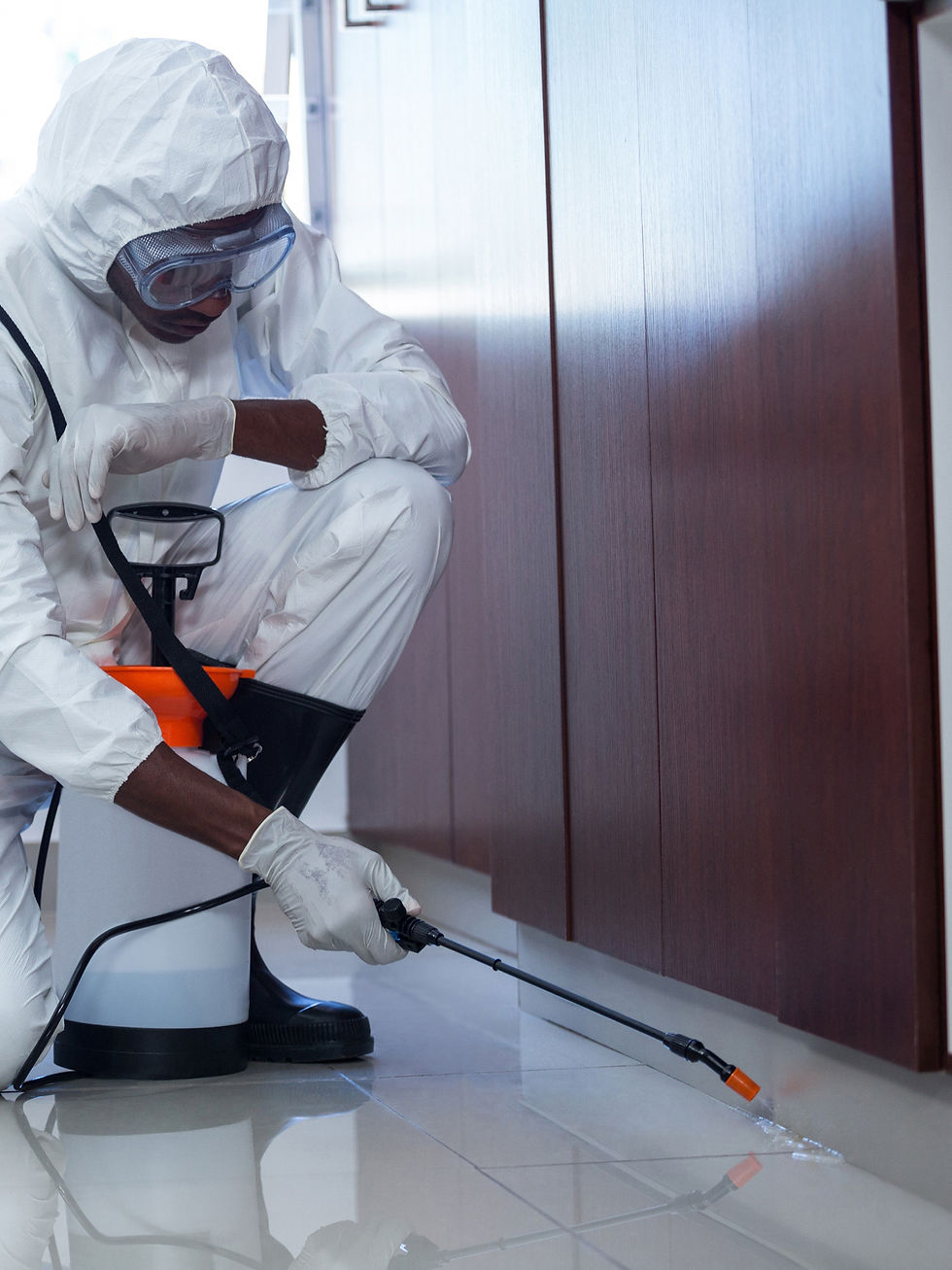
Once food, water, and shelter are addressed, the next line of defense is physically blocking pests from getting inside. This is where prevention starts to overlap nicely with home improvement projects you might already be planning, since sealing gaps and cracks often means patching up areas that also affect insulation, drafts, and curb appeal. A 2025 Modern Pest Services survey found that sealing cracks and gaps is the single most popular preventive measure among homeowners, with 58 percent citing it as their go-to strategy, and it's not hard to see why given how affordable and effective it is.
Common entry points include gaps around utility pipes, unsealed foundation cracks, worn weather stripping on doors, and vents without proper screening. Walking the exterior of your home once a season, particularly before and after major weather shifts, helps you catch these small openings before they become welcome mats for pests. Interestingly, a 2026 Modern Pest Services survey found that 60 percent of homeowners now take a proactive approach to pest prevention specifically during the spring and summer months, which lines up well with the same seasons many people tackle exterior touch-ups and landscaping refreshes.
Statistic | Figure |
Homeowners experiencing pest infestations annually | 40% |
Average termite damage repair cost per colony | $3,000 |
Most common household pest in America (ants) | 56% of homes |
Homeowners taking proactive prevention in spring/summer | 60% |
Most popular preventive measure (sealing cracks/gaps) | 58% |
When to Call a Professional: Red Flags and Next Steps
Even the most diligent homeowner can miss signs that point to a developing infestation, and that's when it makes sense to bring in professional support. Droppings near baseboards, small holes in wood trim, discarded insect wings near windowsills, or a musty smell in enclosed spaces are all signals worth taking seriously rather than dismissing as one-off occurrences. Waiting too long often turns a manageable issue into a costly repair project that can undo the careful design work you've invested in.
A professional inspection doesn't have to feel like an admission of failure. Think of it the same way you'd think of a structural consultation before a major renovation, as a smart step that protects everything you're building toward. Pairing good design instincts with solid pest prevention habits means your beautiful home stays exactly that, both on the surface and underneath it, for years to come.


Comments