


What Is a Vaulted Ceiling? The Complete Guide to This Dramatic Design Feature

A ceiling may seem like the least interesting part of a room—until you look up and find a soaring vaulted ceiling above you. This dramatic architectural detail has been around for thousands of years, yet it still feels modern and sophisticated in today’s homes. Whether you’ve seen them in a rustic farmhouse living room or a sleek, contemporary loft, vaulted ceilings have a way of completely transforming the look and feel of a space.
For many homeowners, the question isn’t just “what is a vaulted ceiling?” but also “is it right for my home?” The answer isn’t always simple. Vaulted ceilings bring undeniable visual drama and light into a space, but they also come with practical considerations—like maintenance, cost, and energy efficiency—that you’ll need to weigh carefully.
This guide breaks down everything you need to know about vaulted ceilings: from their origins and variations to where they work best, their benefits, and their potential downsides. By the end, you’ll know exactly what to consider before deciding whether to incorporate one into your home design.
1. What Is a Vaulted Ceiling: A Clear Definition

In the simplest terms, a vaulted ceiling is any ceiling that extends higher than the standard flat ceiling, often following the roofline or creating a sweeping arch overhead. Unlike a flat ceiling that sits level across a room, a vaulted ceiling adds height, volume, and a sense of grandeur.
Vaulted ceilings are not always arched (though they often are). They can be symmetrical, like a cathedral ceiling where both sides slope upward and meet in the center, or asymmetrical, such as a single-sloped shed vault. This architectural feature creates a sense of openness that can make even small rooms feel spacious and airy.
2. What Is a Vaulted Ceiling: A Brief History

Vaulted ceilings are not a modern design trend—they date back to ancient civilizations. Early examples can be found in Roman basilicas, Gothic cathedrals, and even ancient Middle Eastern architecture. The structural technique of creating a curved or raised ceiling allowed builders to span wider spaces and bring more natural light inside.
In today’s homes, vaulted ceilings have evolved beyond purely functional architecture into a design statement. They are often used to emphasize the architecture of open-concept living rooms, great rooms, or entryways, but they’re just as stunning in bedrooms, kitchens, and even bathrooms.
3. What Is a Vaulted Ceiling: Types to Know

Not all vaulted ceilings look the same. Here are the most popular variations you might consider:
Barrel Vault – A smooth, continuous arch that creates a tunnel-like effect. Perfect for hallways or elongated spaces.
Groin Vault – Formed by the intersection of two barrel vaults, often used for dramatic, historic-looking interiors.
Rib Vault – A style where arched “ribs” are visible as part of the structure, common in Gothic architecture.
Cathedral Vault – A symmetrical vaulted ceiling that mirrors the pitch of the roof, often seen in living rooms and great rooms.
Shed Vault – A single-sloped vaulted ceiling that feels modern and works well in minimalist or Scandinavian-style homes.
4. What Is a Vaulted Ceiling: Where They Work Best

Vaulted ceilings can work in nearly any room, but they truly shine in spaces where you want to emphasize openness and light.
Great Rooms & Living Rooms – Vaulted ceilings help anchor the main gathering space in an open-concept home and create a wow factor.
Entryways & Foyers – A vaulted ceiling makes a strong first impression as soon as you step inside.
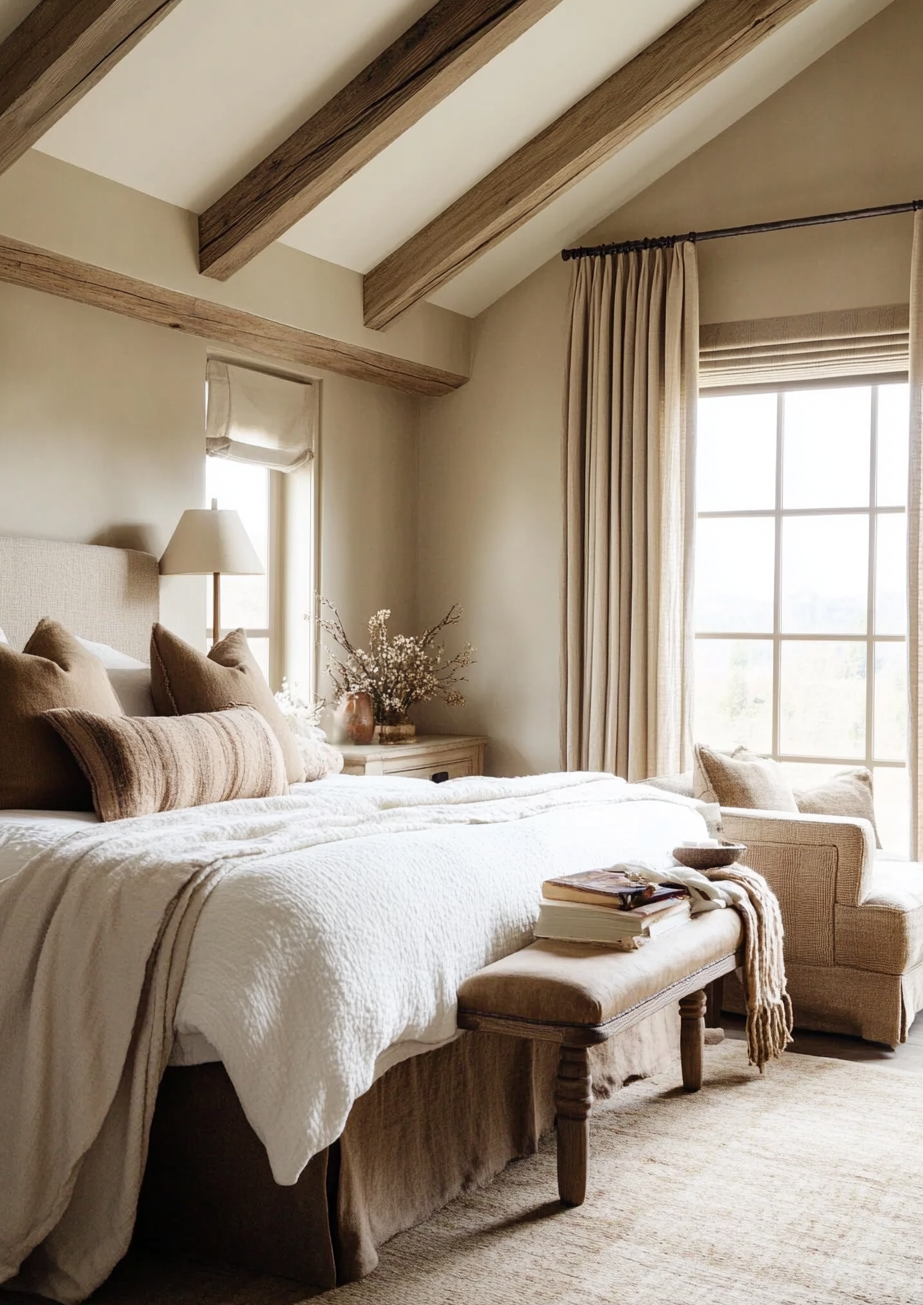
Bedrooms – Adding a vaulted ceiling to a primary bedroom creates a cozy yet expansive retreat.
Kitchens – Perfect for modern farmhouse kitchens or rustic designs where you want exposed beams to shine.
5. What Is a Vaulted Ceiling: The Benefits

There’s a reason vaulted ceilings have been popular for centuries. Here are some of the key advantages:
Adds Space Without Expanding the Footprint – By drawing the eye upward, a vaulted ceiling makes a room feel significantly larger.
Invites More Natural Light – Vaulted ceilings allow for taller windows, clerestories, or skylights that brighten the space.
Creates a Design Focal Point – They instantly become a defining feature of a room, adding architectural interest.
Increases Resale Appeal – Buyers are often drawn to the drama and sense of luxury that vaulted ceilings provide.
Showcases Exposed Beams – For those who love rustic, farmhouse, or industrial style, vaulted ceilings are the perfect excuse to display natural wood or steel beams.
6. What Is a Vaulted Ceiling: Potential Drawbacks

As stunning as vaulted ceilings are, they come with a few challenges worth considering before committing:
Higher Energy Bills – Heating and cooling a room with extra air volume takes more energy, which can lead to increased costs.
Harder to Maintain – Cleaning cobwebs, repainting, or replacing light bulbs may require professional help or extra-tall ladders.
Limited Retrofit Options – Adding a vaulted ceiling to an existing home may not always be structurally possible without major renovations.
Acoustics Can Be Tricky – Larger spaces can sometimes create echoes or amplify sound. Area rugs, curtains, and upholstered furniture can help.
7. What Is a Vaulted Ceiling: Design Tips for a Cohesive Look

If you decide to add a vaulted ceiling, here are a few ways to make the most of it:
Highlight with Lighting – Add chandeliers, pendant lights, or even LED uplighting to accentuate the height.
Play with Texture – Wood planks, beadboard, or painted shiplap can add warmth and personality.
Paint It Thoughtfully – White keeps things airy, while a darker hue can make the ceiling feel cozy and dramatic.
Balance the Room – Keep furniture arrangements grounded and cohesive so the room doesn’t feel too cavernous.
FAQ: What Is a Vaulted Ceiling
Q: Are vaulted ceilings the same as cathedral ceilings?A: Not always. Cathedral ceilings follow the roofline exactly, while vaulted ceilings can take different shapes, including arches and shed forms.
Q: Are vaulted ceilings outdated?A: Not at all. While they peaked in popularity in the 1980s and 1990s, they remain a sought-after feature in modern builds and renovations—especially when paired with minimalist, rustic, or industrial styles.
Q: Can I add a vaulted ceiling to an existing home?A: It depends on your roof structure. Homes with truss roofs are more challenging to retrofit. Consulting an architect or designer is the best way to know if it’s feasible.
Q: Do vaulted ceilings add value to a home?A: They can! Because they’re associated with luxury and openness, they often increase a home’s appeal to buyers—though exact value depends on the market.
Bring Your Vision to Life with BY Design And Viz
If you’re considering adding a vaulted ceiling or redesigning a room to make the most of your existing architecture, BY Design And Viz can help. We create 3D visualizations, detailed remodel plans, and custom interior design concepts that make decision-making easier and help you see the transformation before it begins.
📩 Ready to elevate your home’s design? Contact BY Design And Viz today and let’s create a space that’s both breathtaking and practical.


Comments