


All White vs Strong White: The Comparison That Actually Helps You Decide

Farrow & Ball All White and Strong White sit at opposite ends of a decision that looks simple until you are standing in the room with two cans. All White is the brand's purest near-white, built with no added colour pigment at all. Strong White is a cool, grey-based neutral that sits a full LRV band below it. On the fan deck they can look like two versions of the same idea. On a wall, they are not.
I have specified both across UK projects — All White where a room needed maximum brightness with almost no colour decision attached, Strong White where the brief called for a quieter, more architectural grey-white. The gap between them is not subtle once the paint is dry.
This guide covers the LRV gap, how each undertone reads in real light, and which one your room actually needs.

At a Glance
| All White | Strong White |
Brand | Farrow & Ball | Farrow & Ball |
LRV | ~94 - among the brightest in the F&B range | ~75 - a full LRV band below All White |
Colour category | Pure near-white - built with no added pigment | Grey-based Contemporary Neutral - cool by name and by nature |
Undertones | Essentially none by design; softens slightly warm against cool light rather than reading blue | Subtle cool grey, occasionally read as a faint lilac cast in specific light |
Character | A functional architectural backdrop, not a colour decision - the brand's blankest canvas | Sits right on the boundary between white and grey - architectural, not soft |
North-facing | Needs help - thin and flat without warm materials or bulbs to lend it body | Shows its grey more openly - can read stony rather than crisp without warm balance |
South-facing | Excellent - stays crisp and bright without tipping cold | Reads as a clean, soft white - the grey recedes in strong daylight |
Open-plan | Strong - its near-absence of undertone means it doesn't fight adjacent colours | Moderate - its cooler cast needs consistent light quality to read the same across zones |
On walls | A true near-white backdrop with almost no personality of its own - it takes its character from what surrounds it | A pale grey-white with genuine depth and presence - not a blank canvas, a considered neutral |
On cabinets | Works well where the brief is maximum brightness with minimal colour commitment | A sophisticated, contemporary cabinet colour, especially with brass or black hardware |
Use together? | Yes - All White on ceilings and trim with Strong White on walls is a Farrow & Ball pairing, hand-picked by the brand itself | Yes - Strong White on walls with All White on ceiling and trim is the brand-endorsed pairing |
Trim for each | Works as its own trim against almost any wall colour in the range | All White for a true near-white step up, or a deeper Contemporary Neutral for tonal contrast |
Style fit | Modern, minimal, Scandi-influenced, and any scheme needing a true blank canvas | Contemporary, architectural, period properties wanting a modern grey-white edge |
Architect's pick | When the brief needs the brightest possible near-white with zero undertone risk | When the room needs a quieter, more grounded near-white with genuine grey depth |
Farrow & Ball All White No. 2005 - What It Really Looks Like

All White has an LRV of roughly 94, which puts it at the very top of Farrow & Ball's range and among the brightest whites the brand produces. It is the one F&B colour made with no added colour pigment, which is unusual within a range built almost entirely on complex, layered undertones.
It does not commit to warm or cool. That is deliberate. F&B describes it as avoiding the colder blue undertones of a brilliant white while staying essentially neutral. There is nothing ambiguous about the brightness. The undertone, by contrast, barely exists at all.
In a well-lit room with timber floors or brass fittings nearby, All White borrows warmth from its surroundings and looks considered. In a north-facing room with cool LED bulbs and polished stone, it can read thin and flat rather than crisp. It needs company to perform.
Farrow & Ball Strong White No. 2001 - What It Really Looks Like
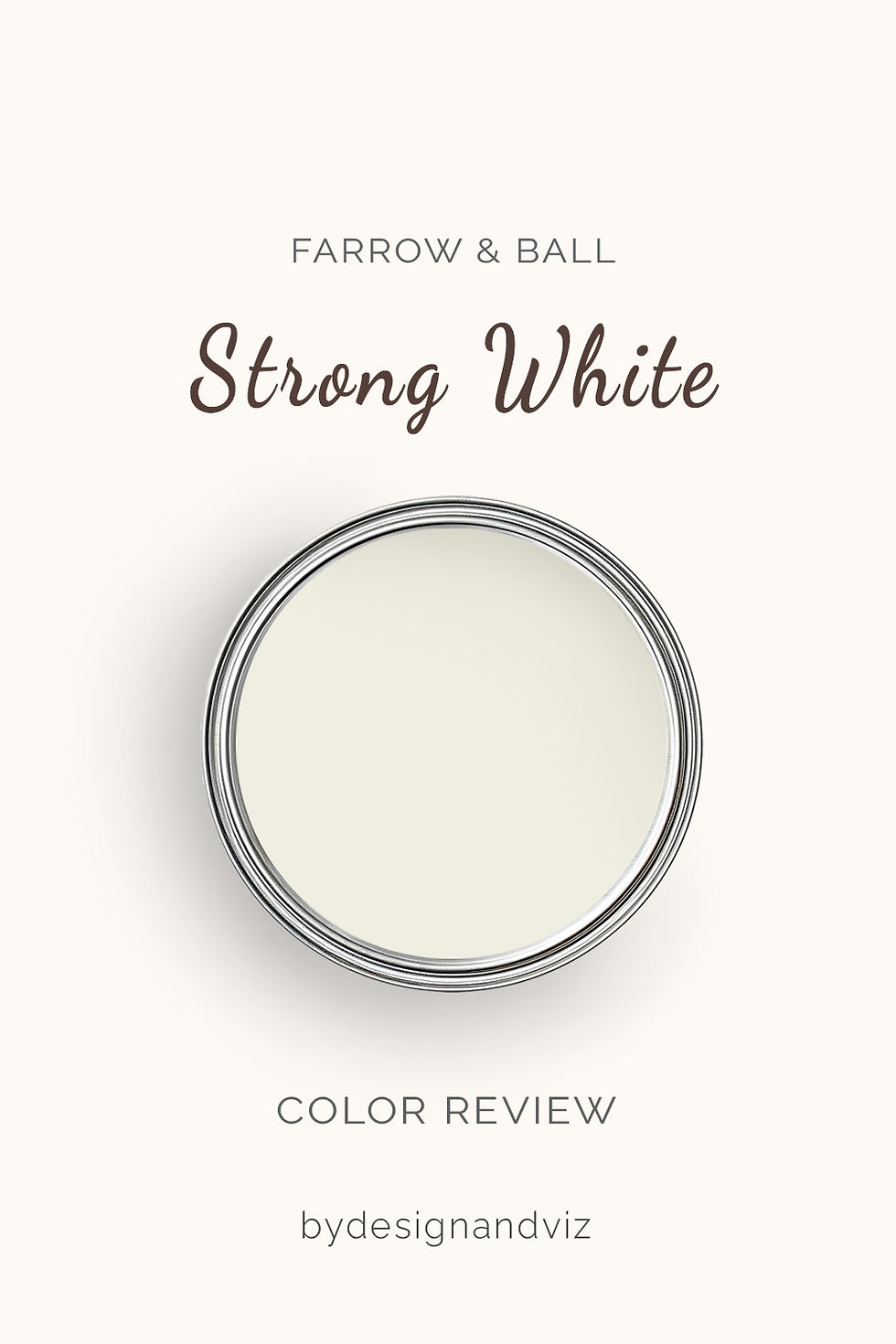
Strong White has an LRV of roughly 75, a meaningful step down from All White and firmly in the bright end of the neutral spectrum rather than the near-white category. On the chart it reads as a very pale grey-white - not quite white, not quite grey, delicately in between.
The undertone is cool grey, and it is genuinely there. This is not a white with an accidental cast. It is one of F&B's Contemporary Neutrals, built with the same light grey undertone family as Strong White's siblings in that group.
In north-facing rooms or under artificial light, the grey becomes more visible and the colour can shift toward stony rather than crisp.In daylight, especially southern light, it almost disappears into a clean, soft off-white.
The Real Difference Between All White and Strong White

The simplest way to explain it: All White is barely a colour. Strong White is a colour that happens to be very pale.
The LRV gap between them is close to 20 points — roughly 94 against 75 — which is a large enough gap that these two are not really rivals in the usual sense. All White reflects near-maximum light with almost no undertone to modulate it. Strong White reflects a lot of light too, but its cool grey undertone gives it genuine visual weight that All White simply does not have. This is a different-jobs pairing, not a head-to-head one.
The classic use of the two together proves the point. Farrow & Ball itself pairs Strong White walls with All White on ceiling and trim — the near-white ceiling lifts the room while the grey-based wall colour does the architectural work. For the comparison of Strong White against its closest sibling in the Contemporary Neutrals group, the Strong White vs Wevet guide covers how two cool-toned F&B neutrals separated by a much smaller LRV gap actually differ — a useful contrast to the wide gap at play here.
Not sure which one works for your room? A colour consultation is included in all our design packages - book directly here. |
When to Choose All White
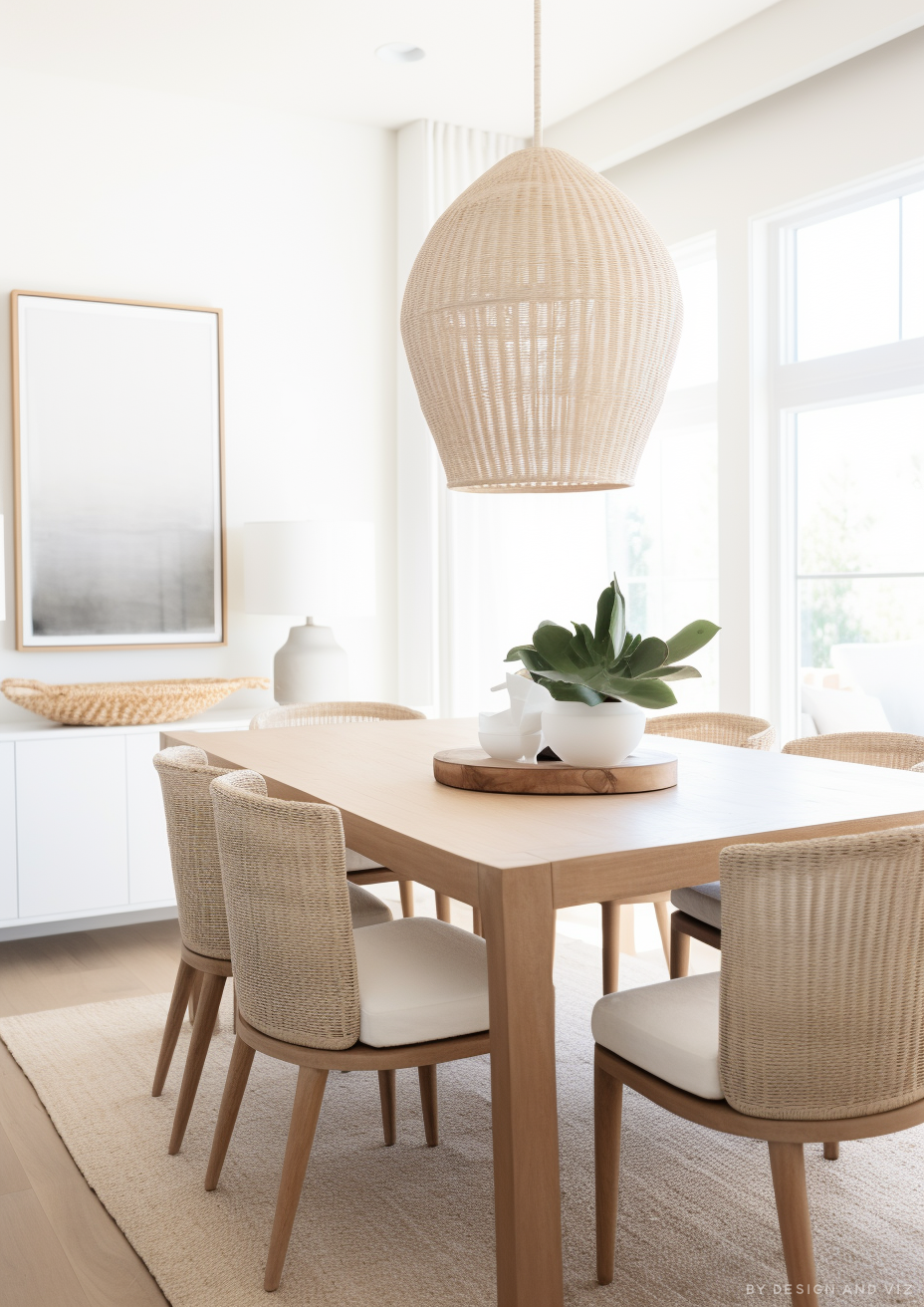
Choose All White when the brief calls for maximum brightness and the fewest possible undertone decisions. These are the conditions where it is the right answer.
South or west-facing rooms with strong natural light, where there is nothing for a weak undertone to fight. Modern and minimal interiors where a true blank canvas is the goal rather than a warm or cool neutral with its own opinion. Ceilings and trim throughout the house, where its lack of colour commitment makes it an easy universal choice.For the full breakdown of how All White performs across every room type and light condition, the All White guide walks through the complete picture, including where it can read thin without help.
Avoid it in north-facing rooms with no warm materials to lend it body, and avoid it as a standalone statement colour — it works best as a backdrop, not a focal point.
When to Choose Strong White

Choose Strong White when the brief needs genuine grey depth rather than a blank near-white. These are the situations where it outperforms All White.
Contemporary interiors that want a considered, architectural neutral rather than a colourless backdrop. Kitchen cabinetry in Flat Eggshell, where its cool grey reads sophisticated against brass or black hardware. Period properties looking for a modern edge without going fully grey.For the full room-by-room breakdown, including how it behaves in the darkest room in the house, the Strong White guide covers every condition in detail.
Avoid it where the brief specifically calls for a true near-white with no grey cast at all — that brief belongs to All White, not this one.
How the Pairings Differ

All White works best on ceilings and trim, not as the sole wall colour in a room that needs character. Paired with a deeper Contemporary Neutral or a Strong White wall, it does the quiet job of lifting the space without competing for attention.
Strong White holds its own as a wall colour precisely because it has genuine undertone depth. It suits a full-room treatment in a way All White generally does not, particularly in contemporary schemes wanting a grounded, architectural neutral.
Both colours suit warm timber flooring, which lends All White the body it can lack on its own and softens Strong White's cooler cast. Pale stone or polished concrete pairs more naturally with Strong White, where the shared cool undertone reads as intentional rather than accidental.
Strong White pairs confidently with brass or matte black hardware, both of which read as considered rather than fighting the grey. All White is more neutral on hardware generally, though it benefits from warm metals in rooms where the colour itself needs help reading warm.
Architect's Verdict - All White or Strong White?
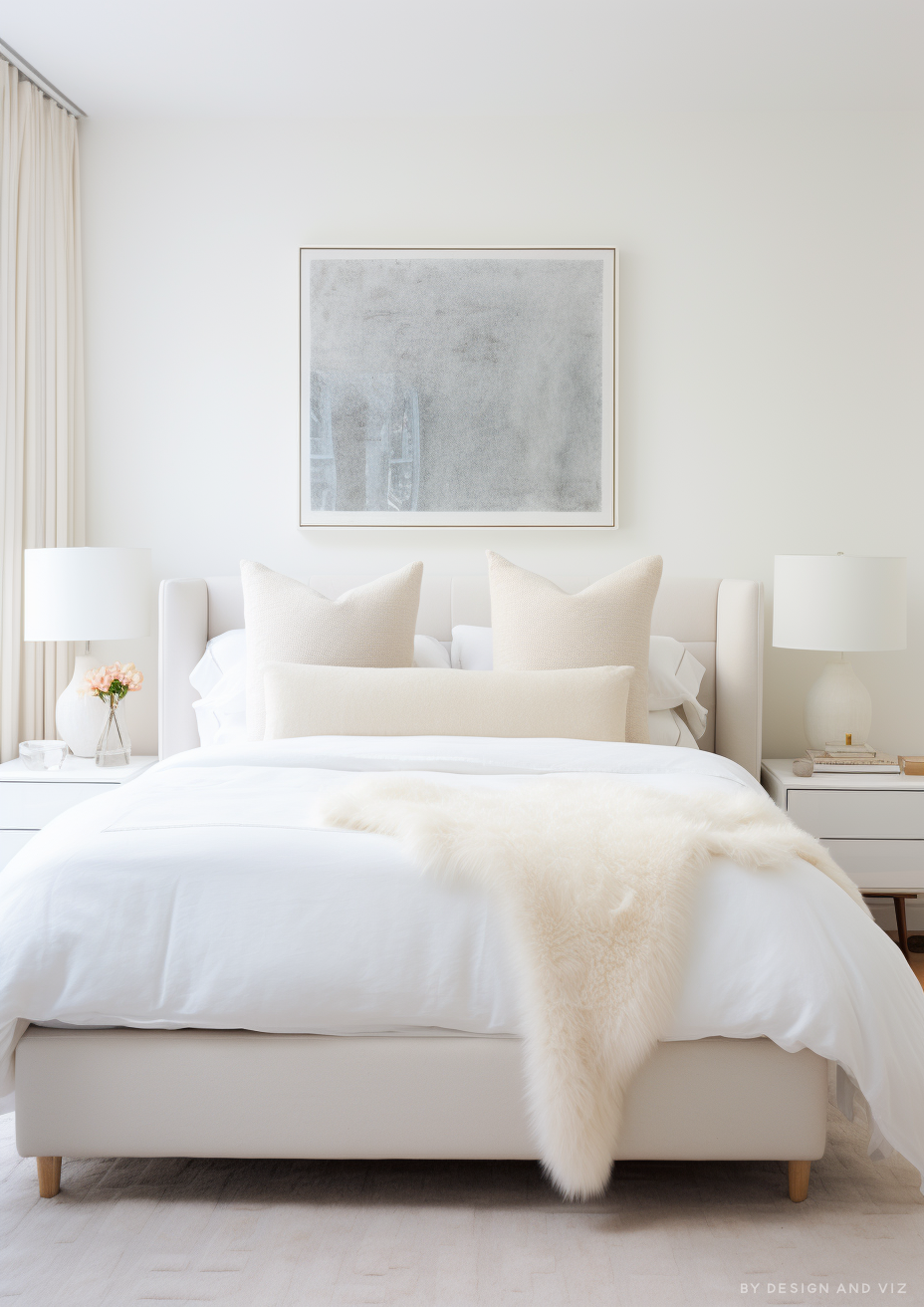
For most rooms, the decision comes down to what job the near-white needs to do.
If the brief is maximum brightness with the fewest possible colour decisions — trim, ceilings, a true architectural blank canvas — All White is the more reliable choice. It disappears into the background in the best possible way, provided the room has enough warmth around it to stop it reading thin.
If the brief needs a near-white with genuine presence — a considered, grounded neutral that can carry a full wall on its own — Strong White is the better result. Its cool grey undertone gives it a character All White was deliberately built without.
The worst-case test here is a north-facing room under cool LED lighting — the exact condition where All White can read thin and Strong White can tip stony. Paint a large sample of each directly on that wall, check it against warm bulbs in the evening and cool daylight in the morning. A pass looks like this: All White should still read soft rather than flat, and Strong White should read pale grey rather than dull. If either looks lifeless in that specific test, that is your answer.
Frequently Asked Questions

Is All White brighter than Strong White?
Yes — significantly. All White has an LRV of roughly 94 against Strong White's roughly 75, a gap of close to 20 points. All White is one of the brightest colours Farrow & Ball produces; Strong White is bright but sits meaningfully lower.
Can I use All White and Strong White in the same room?
Yes, and it is a Farrow & Ball-endorsed pairing. Strong White on walls with All White on ceiling and trim is a combination the brand itself recommends — the near-white ceiling lifts the space while the grey-based wall colour provides architectural depth.
Which is better for kitchen cabinets?
Strong White is generally the more sophisticated cabinet colour. Its cool grey undertone reads considered and contemporary, particularly in Flat Eggshell against brass or black hardware. All White works on cabinets where the brief wants maximum brightness with minimal colour statement.
Does All White look cold?
No — it is designed specifically to avoid that. Farrow & Ball built All White with no added pigment to avoid the colder blue undertones of a brilliant white. It can read thin or flat in poor light, which feels cool, but it is not a blue-based white.
Which is better for a north-facing room?
Neither is ideal without help, but they fail differently. All White can read thin and flat without warm materials nearby. Strong White can tip toward stony grey under cool light. Test both with warm bulbs before committing to either in a north-facing room.
What is the LRV of All White vs Strong White?
All White has an LRV of approximately 94 and Strong White approximately 75. This is a substantial gap — All White sits among the very brightest colours in the Farrow & Ball range, while Strong White is bright but reads with genuine grey depth by comparison.
Final Thought
All White and Strong White are not really competing for the same job. All White is the brand's purest near-white — a blank canvas built to disappear. Strong White is a cool, grey-based neutral with real presence and a full LRV band of separation from its sibling.
If your room needs brightness with no undertone decision attached, All White delivers it cleanly — provided there is enough warmth nearby to stop it reading thin. If your room needs a near-white with genuine architectural weight, Strong White is the more considered choice, and it holds up as a full wall colour in a way All White generally does not. Buy sample pots of both, paint large patches on your darkest wall, and check them against cool morning light and warm evening bulbs. The answer will be clear within a day.
Want a complete colour scheme built around All White or Strong White? Our design packages cover full palette selection, finish recommendations, and 3D visualisations - see our packages. |
About the Author
Beril Yilmaz is a qualified architect and interior designer based in the UK. She runs BY Design And Viz, a design platform covering paint colour reviews, interior design guidance, and residential design projects. Beril has specified both All White and Strong White across residential projects in the UK and internationally — All White on ceilings and trim where a room needed maximum brightness with no colour statement, Strong White on walls in contemporary schemes wanting genuine architectural depth, often specifying both together in the Farrow & Ball-endorsed wall-and-ceiling pairing.


Comments