


Graphite Black: Why This "Soft Black" is the Ultimate Interior Trend for 2026

Black has always been associated with elegance, drama, and timeless style—but not all blacks are created equal. In recent years, homeowners and designers alike have started moving away from harsh, flat blacks and toward something more nuanced, layered, and livable. That shift has brought graphite black into the spotlight.
Graphite black sits comfortably between charcoal and pure black. It carries subtle grey, blue, or metallic undertones that soften its appearance and allow it to interact beautifully with light. Instead of absorbing all light like jet black, graphite black reflects it gently, creating depth rather than heaviness. This makes it a more forgiving and versatile choice for interiors and exteriors alike.
If you’ve been searching for a dark color that feels bold without being overwhelming, modern without being cold, and dramatic without feeling trendy, graphite black may be the answer. This guide breaks down exactly what graphite black is, why it’s trending, and how to use it with confidence in your home.
At a Glance: What You’ll Learn in This Guide
What graphite black actually looks like compared to true black
Why graphite black feels softer and more livable than jet black
Where graphite black works best inside the home
How to use graphite black on exteriors without making a house feel heavy
The best finishes and materials to pair with graphite black
Common mistakes to avoid when decorating with graphite black
Answers to the most searched Google questions about graphite black
1. Graphite Black: What This Color Really Is

Graphite black is best described as a soft black with depth. Inspired by the color of natural graphite—the mineral used in pencils—it contains fine grey and sometimes blue or metallic undertones. These undertones prevent the color from reading as flat or overly stark.
Unlike true black, which can appear severe and high-contrast, graphite black has a slightly muted quality. This allows it to adapt to different lighting conditions throughout the day. In bright daylight, it may read as a deep charcoal; in the evening, it becomes richer and moodier.
This complexity is what makes graphite black feel more refined. It’s not trying to dominate a space—it’s designed to anchor it.
2. Graphite Black: How It Differs From Pure Black

Pure black absorbs light almost completely. While that can be striking, it can also make rooms feel smaller, darker, and less forgiving. Graphite black, on the other hand, reflects just enough light to maintain dimension.
Key differences include:
Pure black feels sharp, graphic, and high-contrast
Graphite black feels layered, softer, and more architectural
Pure black often reads modern or industrial
Graphite black can work across modern, transitional, and even classic interiors
For homeowners who love dark colors but worry about making a space feel oppressive, graphite black offers a safer and more flexible alternative.
3. Graphite Black: Why It’s Trending in Interior Design

The rise of graphite black aligns with a broader design shift toward warm minimalism and depth-driven neutrals. As all-white interiors fade, people are craving richness without chaos—and graphite black delivers exactly that.
It pairs beautifully with natural materials like wood, stone, and linen, and it complements both warm and cool palettes. Graphite black also feels timeless, which makes it especially appealing for large, permanent surfaces such as cabinetry, feature walls, and built-ins.
Another reason for its popularity is emotional: graphite black feels grounding. It adds a sense of calm, stability, and sophistication without shouting for attention.
4. Graphite Black: Using It on Interior Walls

Graphite black walls can be incredibly impactful when used thoughtfully. Instead of painting every wall, consider:
A single feature wall in a living room or bedroom
A dining room wrapped in graphite black for an intimate, evening-friendly atmosphere
A home office where focus and calm are priorities
Because graphite black contains soft undertones, it works best in rooms with natural light or layered lighting. Wall sconces, floor lamps, and warm bulbs enhance its depth and prevent it from feeling flat.
Matte or eggshell finishes tend to look more refined than high-gloss when used on walls.
5. Graphite Black: Kitchen Cabinets and Built-Ins

One of the most popular applications of graphite black is cabinetry. In kitchens, graphite black cabinets feel luxurious without being overly dramatic.
They work especially well when paired with:
Light stone countertops
Warm wood floors or shelving
Brass, bronze, or brushed nickel hardware
Graphite black cabinetry hides wear better than true black and feels less industrial. It also transitions well between modern and classic kitchens, making it a strong long-term choice.
6. Graphite Black: Exterior Applications

Graphite black has become increasingly popular for home exteriors—and for good reason. Compared to stark black, it feels more natural and less severe against landscaping and sky.
It works beautifully on:
Modern homes with clean lines
Farmhouse-style homes paired with wood accents
Entry doors, window frames, and shutters
Because it reflects light subtly, graphite black exteriors retain dimension even on cloudy days. Choosing a matte or satin exterior finish keeps the look sophisticated rather than harsh.
7. Graphite Black: Furniture and Accent Pieces
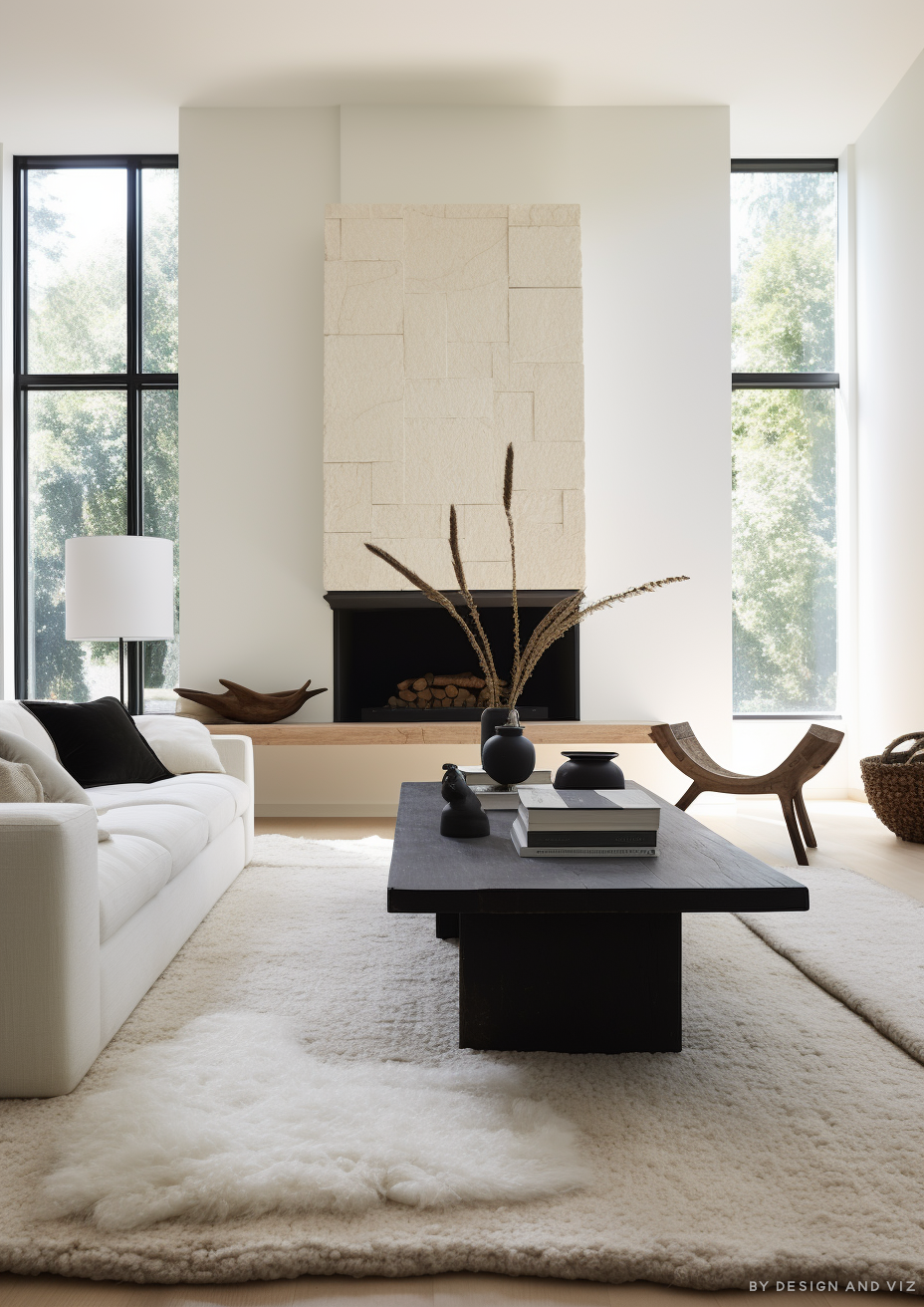
If committing to graphite black walls or cabinetry feels like too much, furniture is an excellent place to start.
Think:
Graphite black dining tables or chairs
Metal light fixtures in a graphite finish
Console tables, shelving, or bed frames
Graphite black furniture adds contrast while still blending into a neutral space. It feels intentional rather than decorative, making it ideal for minimal and modern homes.
8. Graphite Black: Materials and Finishes That Pair Best

Graphite black shines when paired with the right textures. Some of the best companions include:
Natural oak, walnut, or ash wood
Warm metals like brass and bronze
Textured stone, travertine, or concrete
Soft textiles such as wool, linen, and boucle
Avoid pairing graphite black exclusively with cool, glossy finishes—this can make a space feel cold. Balance is key.
9. Graphite Black: Lighting Considerations
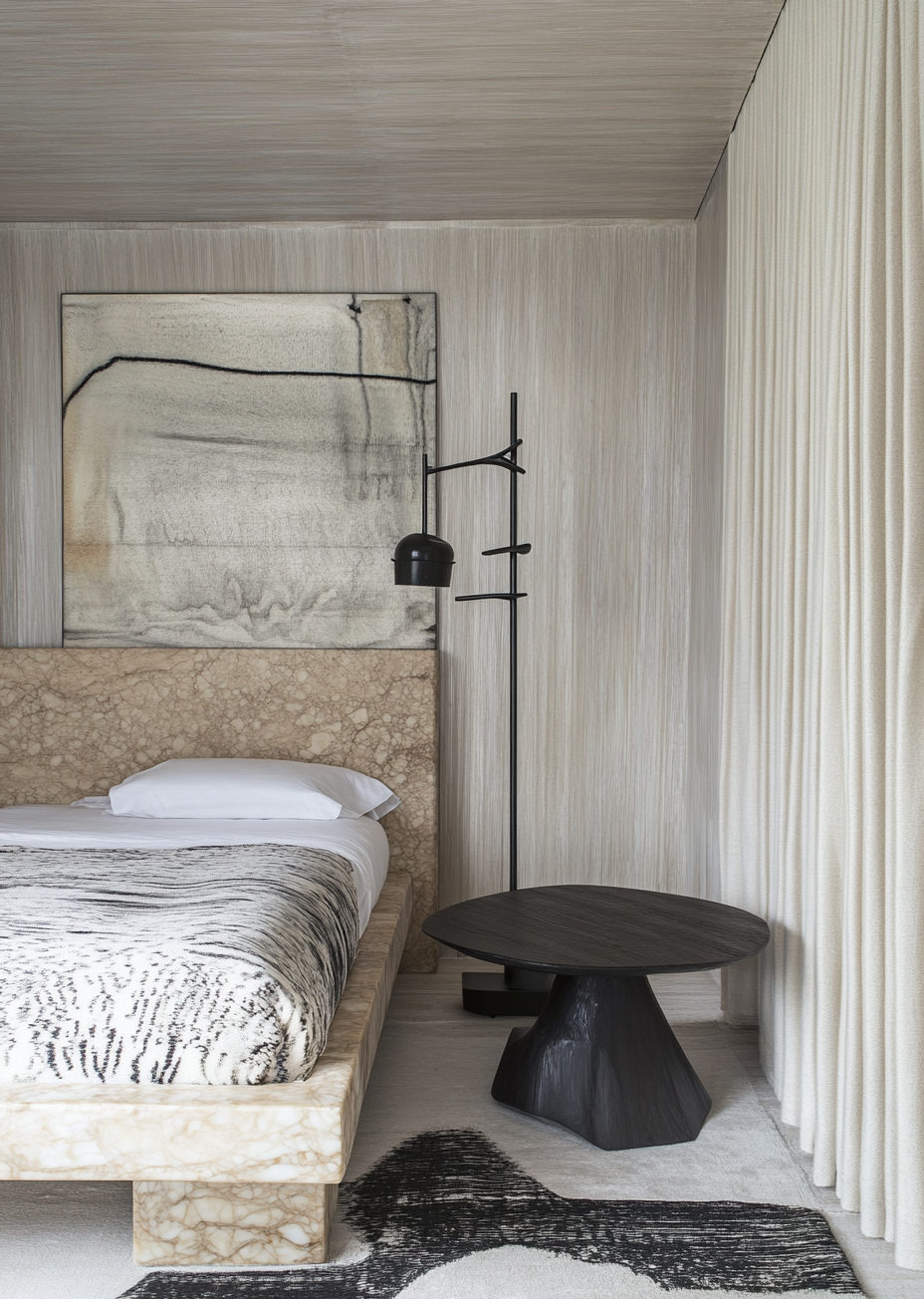
Lighting can make or break graphite black. Because it’s a deep color, thoughtful lighting is essential.
Tips:
Use warm light temperatures to soften the color
Layer lighting instead of relying on a single overhead source
Highlight graphite black surfaces with accent lighting
When lit correctly, graphite black becomes rich and enveloping rather than dark and dull.
10. Graphite Black: Common Mistakes to Avoid

Some common pitfalls include:
Using graphite black in windowless rooms without layered lighting
Pairing it only with cool greys and silvers
Overusing it on every surface in a small space
Graphite black works best when it has room to breathe and contrast to play against.
11. Graphite Black: Is It a Timeless Choice?

Graphite black has all the markers of a timeless color: versatility, depth, and adaptability. It doesn’t rely on trends, and it ages gracefully as styles evolve.
Because it sits between black and charcoal, it avoids extremes—making it a long-term investment rather than a fleeting design statement.
Conclusion
Graphite black proves that dark colors don’t have to be intimidating. With its soft undertones and reflective depth, it offers all the drama of black without the harshness. Whether used on walls, cabinetry, furniture, or exteriors, graphite black brings a sense of calm sophistication that few colors can match
.
If you’re looking to move beyond flat neutrals and create a space that feels grounded, modern, and timeless, graphite black is well worth considering.
Frequently Asked Questions About Graphite Black
Is graphite black the same as charcoal?
No. Charcoal is lighter and more grey, while graphite black sits closer to black with subtle undertones.
Does graphite black make rooms look smaller?
Not when used correctly. Proper lighting and contrast actually make spaces feel more intentional and cozy.
Is graphite black warm or cool?
It can lean either way depending on undertones, but most graphite blacks feel neutral and balanced.
Can graphite black be used in small spaces?
Yes—especially as an accent or paired with light walls and reflective surfaces.
Is graphite black suitable for modern homes only?
No. It works beautifully in transitional, contemporary, and even classic spaces when styled thoughtfully.
Start Your Dream Home Transformation
Our online design packages were created to make the entire process smoother, clearer, and far more enjoyable — no stress, no second-guessing. Whether you’re refreshing one room or reimagining your whole home, we guide you every step of the way with layouts, visuals, and a fully personalised design plan.
See our interior and exterior design packages to get started.
Author Bio
Beril Yilmaz is the founder of BY Design And Viz, an online interior and exterior design studio specialising in clear layouts, thoughtful architectural details, and design decisions that support how people actually live. With a background in architecture and a practical design approach, her work focuses on creating homes that feel considered, functional, and intentionally designed.


Comments