


Warm vs Cool White: The Designer Trick to Picking the Perfect Paint Every Time

White paint is one of the most deceptively complex choices in interior design. It may seem simple — but choosing between warm vs cool white can completely transform the atmosphere of your home.
A crisp white can make a room feel bright and airy, while a creamy one can make it feel calm and cocooning. The difference lies in undertone: those subtle hints of colour beneath the surface that change everything from how your walls reflect light to how your furniture appears beside them.
In this guide, we’ll explore the difference between warm vs cool white paints, how lighting and texture affect perception, and how to choose the right shade for your space — plus designer favourites like Shoji White and Alabaster that always look timeless.
At a Glance
• Understand the undertone difference between warm and cool whites
• Learn how lighting influences your paint choice
• Discover designer-favourite whites for every type of room
• See how furniture, flooring, and fabrics affect tone perception
• Find out when to use warm vs cool white for the best results
1. Warm vs Cool White: Understanding Undertones

Before choosing a shade, it’s essential to understand what gives white paint its personality — the undertone.
A warm white has yellow, red, or pink undertones. It gives spaces a soft, welcoming glow that works beautifully in homes with natural materials like wood and linen. It’s perfect for creating comfort and intimacy.
A cool white, on the other hand, has blue, green, or grey undertones. It feels clean, crisp, and modern — a great fit for contemporary interiors or spaces with plenty of natural sunlight.
If you hold two white paint swatches side by side, you’ll instantly see the difference. Warm whites will lean slightly creamy or peach, while cool whites will appear icier or sharper.
2. Warm vs Cool White: How Lighting Changes Everything

Lighting is the single most important factor in how your warm vs cool white appears once on the wall. The same paint colour can shift dramatically depending on your room’s orientation and time of day.
North-facing rooms receive cooler, grey-toned light. Warm whites help counterbalance this, making the space feel brighter and cosier.
South-facing rooms are flooded with golden sunlight. Cool whites help maintain freshness and prevent yellowness.
East-facing rooms benefit from warm morning light and cool evening light, so versatile off-whites often work best.
West-facing rooms become warm and glowy in the evening — meaning cooler whites will keep things balanced.
Always test samples on multiple walls and observe them throughout the day before committing.
3. Warm vs Cool White: When to Use Warm Whites

Warm whites create an enveloping, tranquil feel — ideal for rooms where comfort and connection matter.
Use them in bedrooms, dining spaces, and living areas where you want a sense of softness and calm. They also pair beautifully with earthy neutrals, warm wood tones, and natural fabrics.
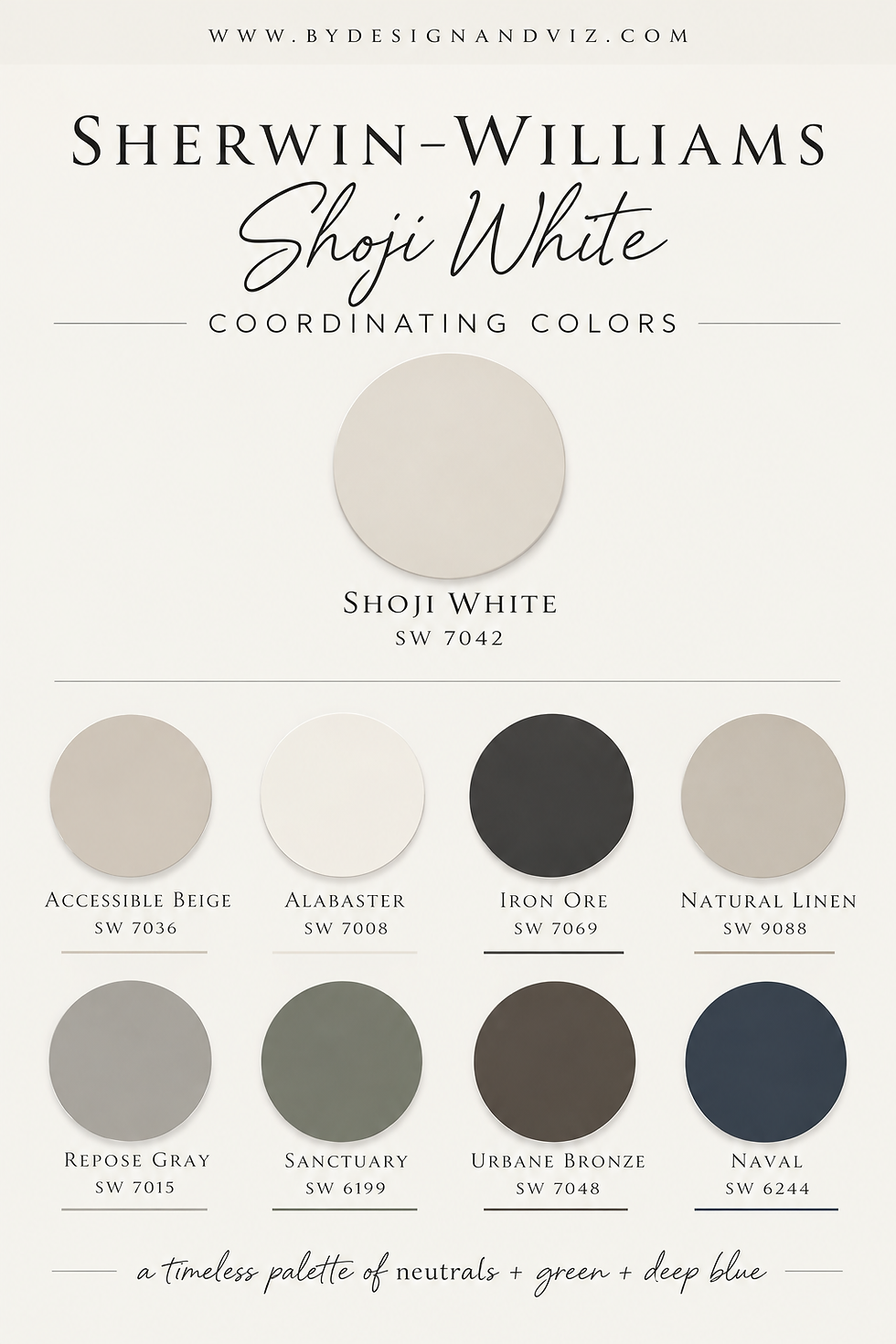
Shades like Alabaster and Shoji White are designer favourites because they bring depth and richness without feeling heavy. These tones instantly soften architectural lines and make even minimalist spaces feel approachable.
4. Warm vs Cool White: When to Use Cool Whites

Cool whites, by contrast, excel in bright and modern spaces. Their crisp undertones enhance light and make a space feel open and fresh.
They’re perfect for contemporary kitchens, bathrooms, or hallways where you want clean lines and a bright finish. Cool whites complement stone, concrete, metal, and cooler greys — they act like a breath of fresh air.
In south-facing or sunny spaces, cool whites prevent warmth from turning into yellow glare. They’re also excellent for contrasting with darker tones like navy or charcoal, balancing richness with restraint.
5. Warm vs Cool White: Balancing the Palette

In many modern homes, a mix of warm vs cool white tones can work together harmoniously. The secret is proportion and placement.
You might choose a cooler white for ceilings and trims to reflect light and a warmer tone on the walls for depth and warmth. This subtle contrast defines architecture while maintaining balance.
Layering whites also gives your interiors a refined, layered effect — a hallmark of professional design. By mixing undertones thoughtfully, your space gains subtle dimension that feels natural rather than flat.
6. Warm vs Cool White: Pairing with Other Colours

White rarely stands alone — it’s shaped by the colours around it. The undertones in your flooring, furniture, and decor will dramatically affect how your warm vs cool white reads.
For instance:
Warm whites look beautiful beside beige, tan, terracotta, or warm grey. They enhance wood and brass tones.
Cool whites complement charcoal, blue-grey, or black. They pair elegantly with marble, concrete, or chrome finishes.
Even your textiles and art can alter perception. A neutral like Ecru upholstery beside a cool wall white might pull warmth into the room, while a bold Indigo artwork can amplify coolness and modernity.
7. Warm vs Cool White: The Role of Finish and Texture

The finish you choose for your paint can subtly affect how warm vs cool white appears.
Matt finishes absorb light and feel softer — ideal for living rooms and bedrooms.
Eggshell and satin finishes reflect a touch of light, helping whites stay bright but not shiny.
Gloss finishes amplify light and contrast, often used for trims or cabinetry.
Texture also matters. Limewash and clay paints add movement and character, giving neutral whites organic variation that makes them feel alive.
8. Warm vs Cool White: Common Mistakes to Avoid

Even experienced homeowners can make small mistakes when working with warm vs cool white. Avoid these pitfalls:
Skipping light testing: Paints look completely different on-site than on a swatch card.
Ignoring materials: Floors, fabrics, and countertops all influence undertone perception.
Using the same white everywhere: Varying your whites slightly between rooms adds flow without monotony.
Forgetting trim and ceiling tones: Choosing a slightly different white for these elements helps frame your walls beautifully.
9. Warm vs Cool White: Real-Life Examples

Let’s look at how warm vs cool white performs in real homes.
In a north-facing bedroom, a warm shade like Shoji White creates instant cosiness and compensates for the cooler daylight.
In a south-facing kitchen, a cool tone prevents sunlight from becoming overpowering, keeping the palette fresh.
In an open-plan space, alternating between warm and cool whites on different architectural surfaces enhances definition and flow.
By adapting your whites to your space rather than following trends, you achieve timeless balance — the hallmark of thoughtful design.
10. Warm vs Cool White: Finding Your Perfect Shade

Choosing the perfect white takes experimentation, but it’s worth the effort. Start by narrowing your palette to three options — one warm, one cool, and one neutral. Test each on a large patch of wall and observe across different times of day.
The goal isn’t to find the “perfect” white universally — it’s to find the perfect one for your home, light, and materials.
Whether you lean toward the warmth of Alabaster or the crispness of a cooler tone, your final choice should enhance natural light and reflect the feeling you want your space to evoke: calm, balanced, and timeless.
Conclusion

Choosing between warm vs cool white is one of the most defining decisions you can make in home design. The right white has the power to transform architecture, highlight materials, and elevate mood.
The best interiors use white intentionally — matching undertones to light, layering textures, and creating subtle contrast that feels effortless.
Whether you prefer the inviting glow of warm whites or the airy freshness of cool ones, remember that white isn’t blank; it’s a spectrum. And somewhere within that spectrum lies the shade that will make your home feel exactly like you.
FAQ
1. What’s the difference between warm vs cool white?
Warm whites have yellow or red undertones and feel cosy and soft. Cool whites have blue or grey undertones and feel fresh, crisp, and modern.
2. How do I know which white works best in my home?
Test samples in your own lighting. North-facing rooms benefit from warm whites, while south-facing rooms suit cooler whites to balance golden light.
3. Can I mix warm and cool whites in one home?
Yes — layering both adds dimension and sophistication. Use warm tones in living areas and cooler whites in bright kitchens or bathrooms.
4. What are designer-favourite white paints?
Shoji White and Alabaster are favourites for their balance and warmth, working well across styles and lighting conditions.
Ready to find your perfect white? Start your Online Design Consultation with BY Design And Viz and discover how the right shade of warm vs cool white can transform your home.
You’ll receive personalised colour recommendations, lighting analysis, and a curated palette tailored to your home’s style and natural light.
Author Bio
Written by Beril Yilmaz, founder of BY Design And Viz — a UK-based interior designer known for creating warm, organic modern interiors that balance calm, light, and timeless style. Beril helps homeowners design spaces that feel grounded, natural, and deeply personal.



Comments