


School House White vs Strong White - Which Farrow & Ball White Does Your Room Actually Need?

By Beril Yilmaz, qualified architect and interior designer
Choose School House White for north-facing rooms, period homes and warm materials; choose Strong White for bright rooms and modern schemes with cool finishes. Their LRVs sit less than one point apart. The difference is undertone, soft warmth against a grey base, and it shows most in weak light.
As an architect, I read these as two answers to the same question: what kind of soft white does this room need? School House White warms. Strong White cools. I have not run my own swatch test for this guide. It is built from Farrow & Ball's published color information and what designers and homeowners repeatedly report after sampling the pair.
This guide covers what each color actually is, why the LRV gap tells you nothing here, how both behave in north, south and artificial light, which rooms suit each, the trim pairings Farrow & Ball recommends, and a light test to run before you commit.

The Short Answer Choose School House White if the room faces north or is dim, the house is period or rural, or your floors, worktops and hardware are warm. Choose Strong White if the room gets good daylight, the scheme is modern, or you are pairing it with grey stone, concrete and black metal. |
School House White vs Strong White Side by Side
| School House White No. 291 | Strong White No. 2001 |
LRV | 74.2 | 75.1 |
Undertone | Soft yellow-beige warmth, no cool undertone | Light grey base, cool and urban |
Character | Quiet, familiar, slightly aged | Crisp, calm, contemporary |
North-facing | The safer pick - designed to read as white in shade | Can turn flat and noticeably grey |
South-facing | Can lean creamy in strong late sun | Excellent - sunlight softens the grey |
Best for | Period homes, north rooms, warm kitchens | Modern schemes, bright rooms, cool stone and concrete |
Trim pairing | Wimborne White No. 239 | All White No. 2005 |
Main risk | A faint yellow or green cast in grey-green north light | Looking cold or dingy in a small, dim room |
What Brand Data and Published Sampling Show About This Pair
This section draws on Farrow & Ball's information and other people's sampling, not a test of my own. I have brought together the brand's descriptions, the published color values and the points that come up again and again when designers and homeowners compare the two.
First, Farrow & Ball puts them in different families. School House White leads the group built to stay white in deep shade. Strong White belongs to the Contemporary Neutrals, a cooler, grey-led group. That is the brand telling you they do different jobs.
Second, the numbers confirm the undertone split. Published hex values are #E3DED0 for School House White and #E4E2DC for Strong White. The blue channel is clearly lower in School House White, which is the warmer, yellower cast you see on the wall.
Third, each one has a reported weak spot. Homeowners sampling School House White in north light often mention it reading slightly yellow, and some reviewers see a faint green flicker. Strong White's reported risk is the opposite: in dim rooms its grey base can make the walls look flat. Farrow & Ball does not publish an LRV on either product page, so the figures here come from Samplize's data.
Farrow & Ball School House White No. 291 - What It Actually Is

School House White has an LRV of 74.2 and a soft, pared-back warmth with no cool undertone in it. Farrow & Ball describes it as an off-white reminiscent of the paint once used in old school houses, and that is exactly how it reads: familiar, quiet and slightly aged.
It is the lightest color in the group that also holds Shadow White, Shaded White and Drop Cloth, a family designed to still look white in deep shade. That is its real job. It keeps dim rooms feeling soft instead of grey.
If you want the full single-color picture first, my Farrow & Ball School House White review covers its undertone, the casts people report and where I would avoid it.
Which Is Warmer?
School House White, clearly. It carries a gentle yellow-beige warmth. Strong White is grey-based, so beside it School House White looks like the softer, older white.
Which Is Better for North-Facing Rooms?
School House White, in most cases. North light pulls out cool tones, and Strong White already starts from grey. School House White was made for shade, so it holds on to some warmth on a dull day.
Which Suits a Period or Cottage Home Better?
School House White. Its aged softness agrees with lime plaster, old floorboards and painted joinery. Strong White can look right in a period home too, but it adds a crisper, more urban edge.
My Verdict on School House White
School House White is the one I would recommend for most homes that want a white that never looks cold. I would point clients to it for north-facing rooms, period properties and kitchens with oak, brass or terracotta. I would sample it carefully in a north room with grey-green garden light, because that is where people report a faint yellow or green cast.
Farrow & Ball Strong White No. 2001 - What It Actually Is
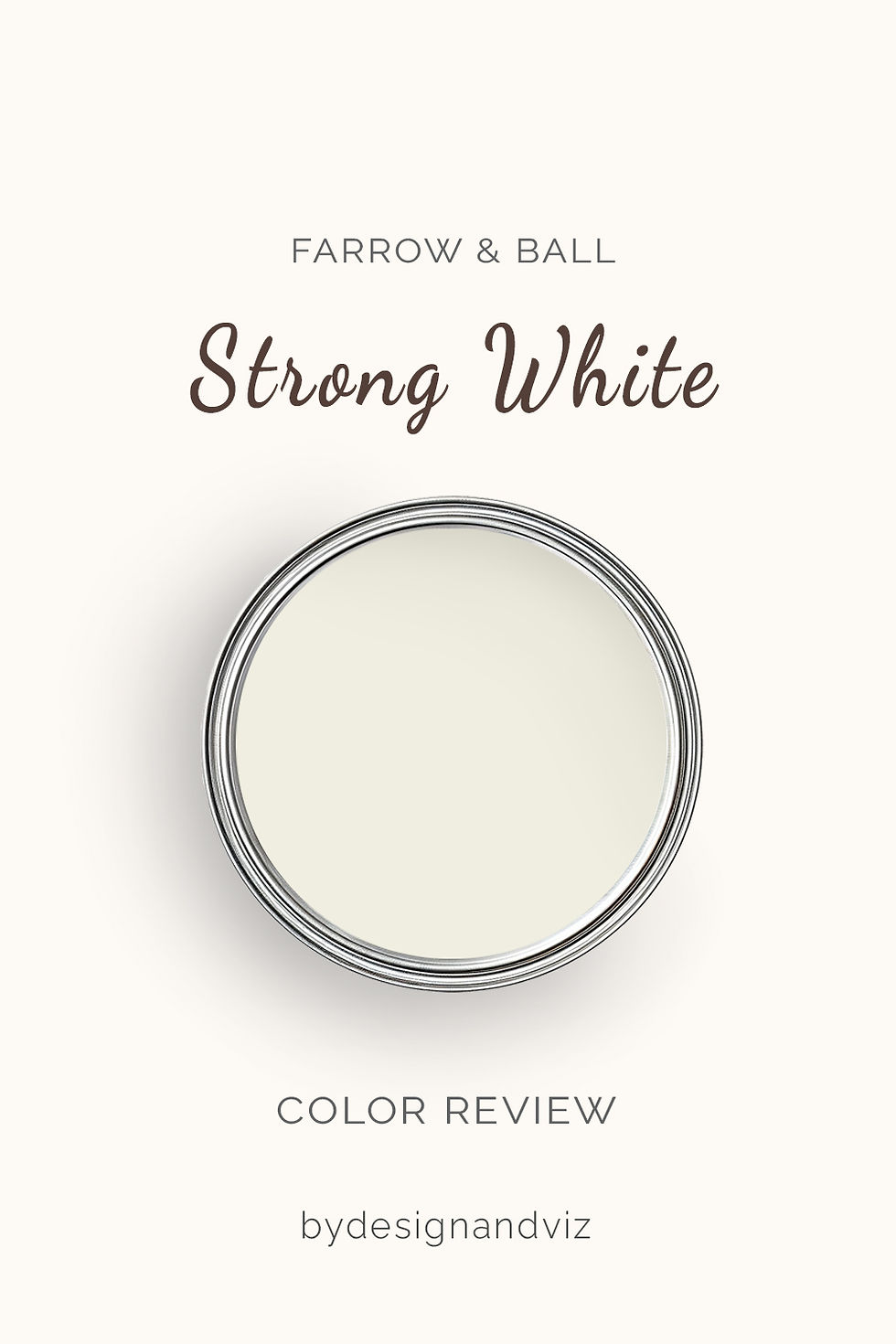
Strong White has an LRV of 75.1 and is, in Farrow & Ball's own words, a grey-based white. It sits in the Contemporary Neutrals group, and its light grey undertone is what gives it a calm, urban feel.
On a wall it reads as white first and grey second. It never looks creamy. That makes it a natural backdrop for concrete, cool stone, black steel and modern art, while still softening the line of an older house.
For more on Strong White as a single color, including how far its grey shows in different light, my Farrow & Ball Strong White review goes through it in detail.
Which Is Lighter?
Strong White, but only just. Its LRV is 75.1 against School House White's 74.2. Because it carries less warmth, it can also look a touch whiter on the wall than the numbers suggest.
Which Is Better for a Modern Home?
Strong White. Its grey base agrees with flat-front joinery, black window frames and polished concrete. School House White can look slightly nostalgic in a very minimal scheme.
Which Works Better With Grey Stone and Cool Quartz?
Strong White. It shares their cool undertone, so the room reads as one calm palette. Next to grey stone, School House White can look a little yellow by comparison.
My Verdict on Strong White
Strong White is the one I would recommend when the brief is modern, calm and slightly cool, in a room with decent daylight. I would steer a client away from it in a small north room, where its grey base can turn flat. In a bright south or west room it is excellent.
Same LRV, Different Undertones - Why Depth Is Not the Story Here
School House White sits at 74.2 and Strong White at 75.1. A 0.9-point gap is invisible on a wall. Neither will make your room noticeably brighter than the other.
So choose on undertone, not depth. One leans warm, the other leans grey, and both only show their character at full size. Judge them on large samples, never on a chip from the color card.
How School House White and Strong White Behave in Different Light
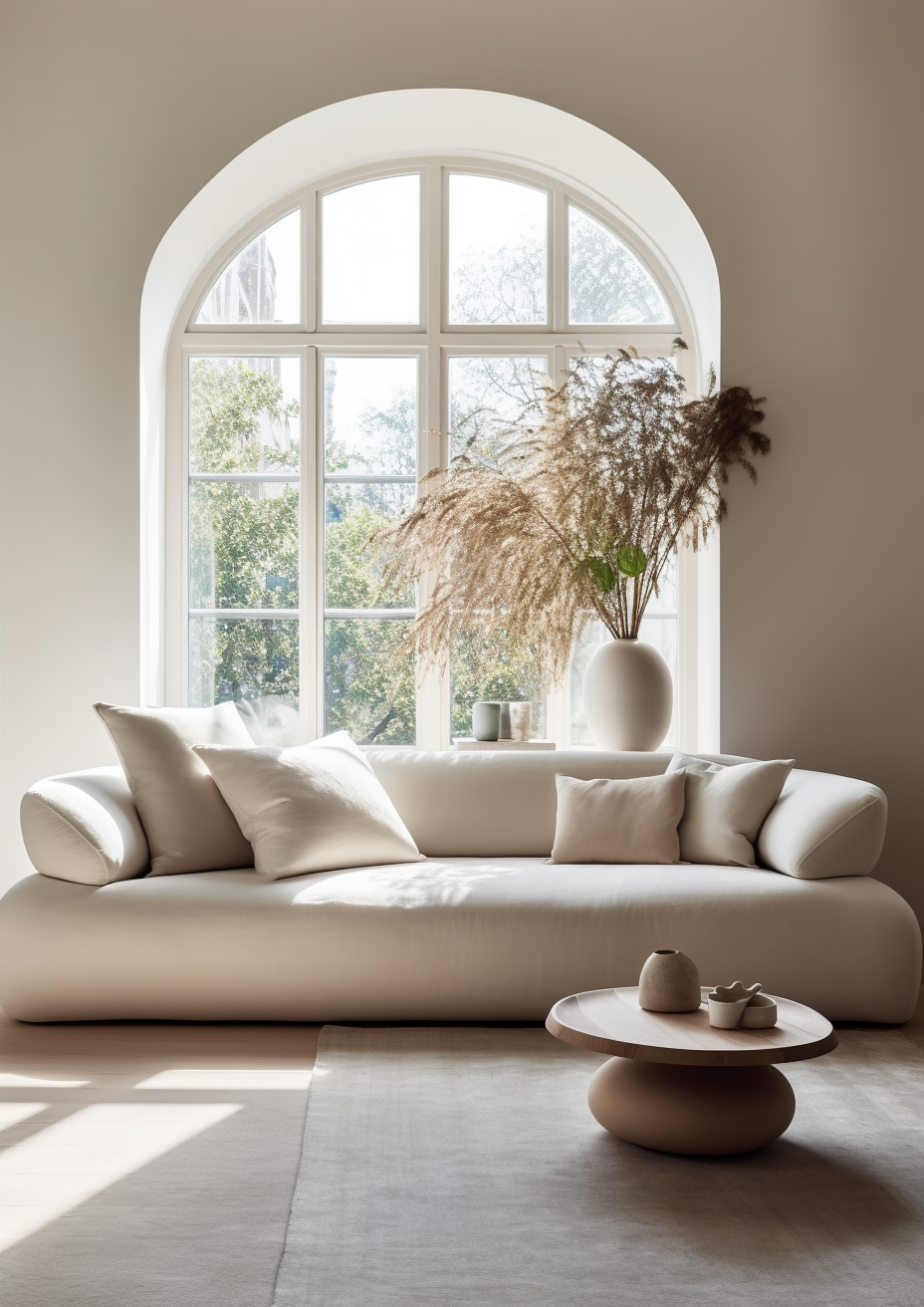
Orientation decides this pair. Each color has one light where it is at its best and one where it needs testing.
North-Facing Rooms
North light is cool and even, and it pulls out the cool side of any color. This is School House White's home ground. It was designed to read as white in shade, so it keeps some warmth when the sky is grey.
Strong White starts from grey, and in a north room that grey grows. I would only recommend it for a north-facing space with warm oak floors, warm textiles and good artificial lighting to balance it.
South-Facing Rooms
South and west light warms everything. Here Strong White comes into its own. Its grey base stops it turning creamy, and the sunlight takes the chill off.
School House White can look noticeably creamier in strong afternoon sun. In a very bright south room I would lean toward Strong White, unless the brief is deliberately warm and traditional.
Artificial Lighting
Bulb temperature shifts both colors. At 2700K, School House White looks cozy and slightly creamy, and Strong White looks soft and warm-grey. At 3000K both read most like themselves. At 4000K, Strong White can look cold and School House White can show its green-yellow edge, so I would avoid 4000K in living spaces with either.
School House White and Strong White Room by Room

Living Rooms
Your light decides this one. In a north or east living room, School House White keeps the space soft. In a bright south or west room, Strong White gives a calmer, cooler backdrop that stops the room feeling yellow by late afternoon.
Kitchens
School House White suits oak, walnut, brass and terracotta, the warm country or Shaker kitchen. Strong White suits cool quartz, stainless steel and concrete. For trim and joinery against Strong White, the All White vs Strong White guide explains why its complementary white is the clean partner.
Bedrooms
For a north-facing bedroom, I would specify School House White for walls and ceiling together. It feels gentle in the morning and settles nicely under warm lamps at night. Strong White suits a bright, south-facing bedroom with a cooler, more hotel-like brief.
Hallways and Stairwells
Hallways are often the dimmest space in the house. School House White is the safer choice there, because it will not slide into grey on a winter afternoon. Strong White needs a window or good lighting to look its best in a hall.
Exteriors
Both come in exterior finishes. School House White suits brick, stone and older render where a softer white looks at home. Strong White gives a crisper, more modern facade. Always sample on the actual wall, because outdoor light exaggerates undertones.
Choose School House White If

The room faces north or gets little sun. It was built for shade. Its warmth stops a dim room tipping into grey.
The house is period, cottage or rural. Its soft, slightly aged quality suits old plaster, beams and painted joinery better than a crisp grey-white.
Your materials are warm. Oak floors, brass, terracotta, cream stone and linen all sit more comfortably beside School House White.
You want a white that is never stark. If Strong White looks too cool on your board, School House White is the gentler step. Pair it with Wimborne White on trim, its complementary white in the Farrow & Ball system.
Choose Strong White If
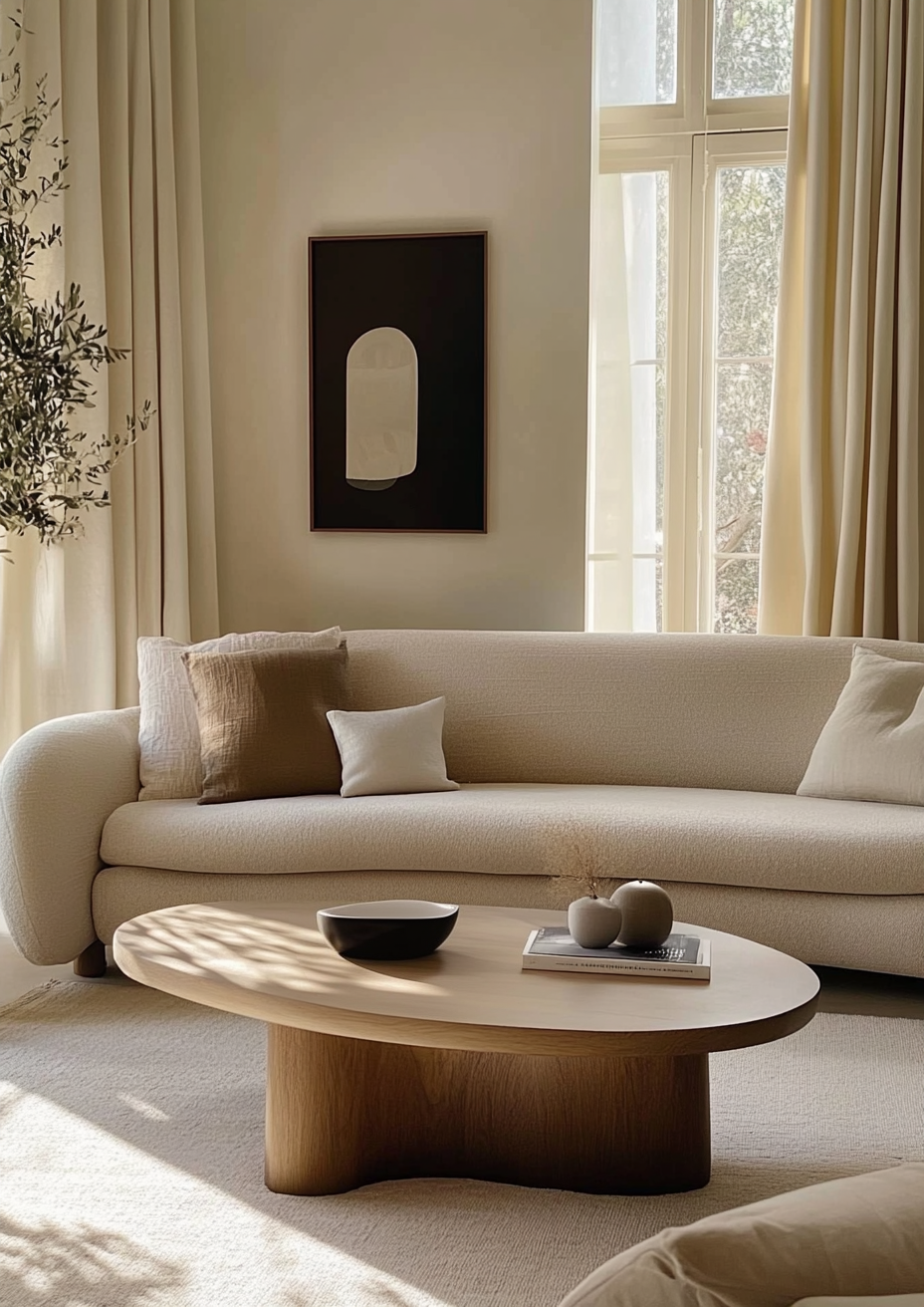
The room gets good south or west light. Warm daylight softens its grey. The room stays crisp without feeling cold.
The look is contemporary. It suits clean lines, black hardware, concrete and cool stone, and keeps a period house from feeling twee.
You are building a cool Farrow & Ball scheme. It sits naturally beside Skimming Stone and Elephant's Breath, with All White as its complementary white on trim and ceilings.
You want white without any cream. If School House White looks too yellow on your board, Strong White removes the warmth while keeping the softness of a Farrow & Ball white.
School House White and Strong White vs Other F&B Farrow & Ball Whites
vs Wimborne White No. 239
Wimborne White is lighter and cleaner than both, with a small amount of warm yellow pigment. It is School House White's complementary white. If you are weighing it against the cooler option instead, the Strong White vs Wimborne White guide shows how much warmer it reads.
vs Skimming Stone No. 241
Skimming Stone is a step deeper than both, a soft stone that pairs with Strong White in Farrow & Ball's own schemes. It is the move when you want more depth. The School House White vs Skimming Stone guide covers where the warmer white and the stone part ways.
vs Shadow White No. 282
Shadow White is the next step down from School House White in the same family, a little deeper and warmer. It suits rooms that need more coziness than brightness.
Frequently Asked Questions
Are School House White and Strong White the same?
No. Their LRVs are within one point, but School House White has a soft warmth and Strong White has a grey base. Side by side, the undertone difference is clear.
Does School House White look yellow or green?
Sometimes, in cool north light. Homeowners often report a slight yellow lean, and some see a faint green cast when the light outside is grey-green. Under 3000K bulbs and with warm materials, it reads as a soft off-white.
Is Strong White grey or white?
It is a white with a grey base. In good daylight it reads as white. In dim or north-facing rooms the grey becomes more noticeable.
What trim color goes with School House White?
Wimborne White No. 239, its complementary white in the Farrow & Ball system. For a softer, tonal look, use School House White itself in a higher sheen.
What trim color goes with Strong White?
All White No. 2005, its complementary white. It has no added pigment beyond white, so it frames Strong White without a cool blue edge.
The Verdict - School House White or Strong White?

Let the light choose first. North-facing or dim room? School House White. Bright south or west room? Strong White.
Then check your materials. Warm wood and brass point to School House White. Grey stone, concrete and black metal point to Strong White. If the two answers disagree, the light should win.
The test: the worst light for this pair is your dimmest north-facing wall on an overcast morning. Put up a large sample of each, two coats or a peel-and-stick sheet, next to your existing trim and a sheet of plain printer paper. Look again in the evening under the bulbs you actually use. School House White passes if it reads as soft off-white, not yellow or green; Strong White passes if it reads as white with a gentle grey, not dull or concrete-grey.
Still not sure which one your room needs? A Paint Color Consultation gets you a custom palette built around your space and your light - book yours here. |
About the Author
Beril Yilmaz is a qualified architect and interior designer based in the UK. She runs BY Design And Viz, a design platform covering paint color reviews, interior design guidance, and residential design projects.


Comments